Travel Notes / 2026 ・ No.02
Atami in Two Days
A night in the hot-spring town, then a lava coast and a volcano the next day
Published
Atami is 45 minutes from Tokyo by shinkansen. Spend day one walking the town
and the night at a hot-spring inn; on day two, head down to Izu Kogen for the suspension bridge
on the Jogasaki coast and a walk around the crater of Mt Omuro. Timed to each train and stop.
How the route works
Day 1 is Atami's town; day 2 is the landscape of Izu Kogen, two quite different areas joined by a night at a hot-spring inn. Atami to Izu Kogen is one train, about 40 minutes, and the way home is a direct limited express from Ito to Tokyo.
Three ideas shape the route:
- Walk the town downhill — Atami Station sits on a slope above the sea. Take the bus up to the MOA Museum, the highest stop, and the rest of the day runs downhill: to the shrine, then to the waterfront
- The coast in the morning — the Jogasaki coast faces east, so the sea is at its brightest before noon. Walk it first thing on day 2
- Mt Omuro last — buses from the foot of Mt Omuro to Ito Station are frequent, which makes it easy to line up with the train home
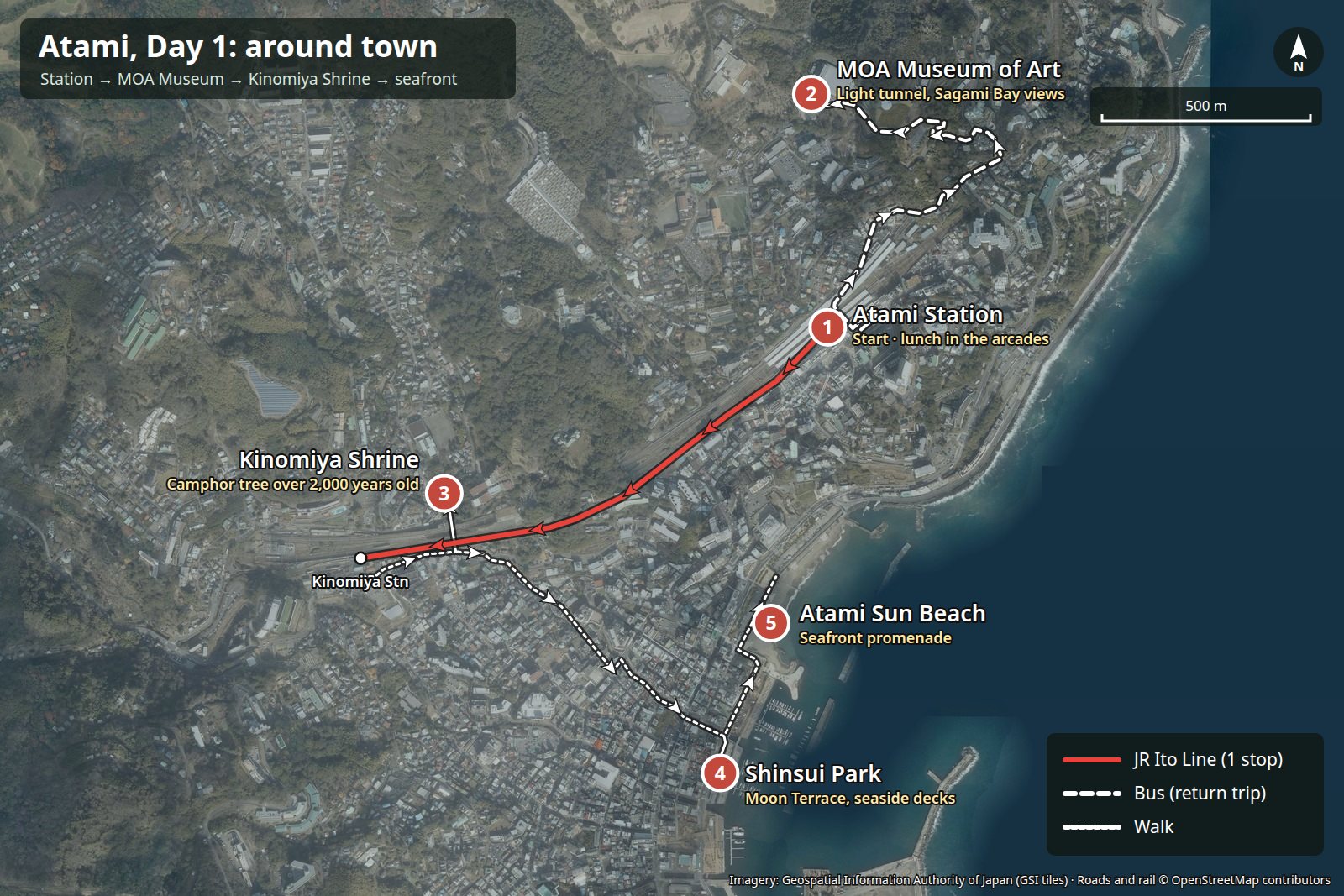
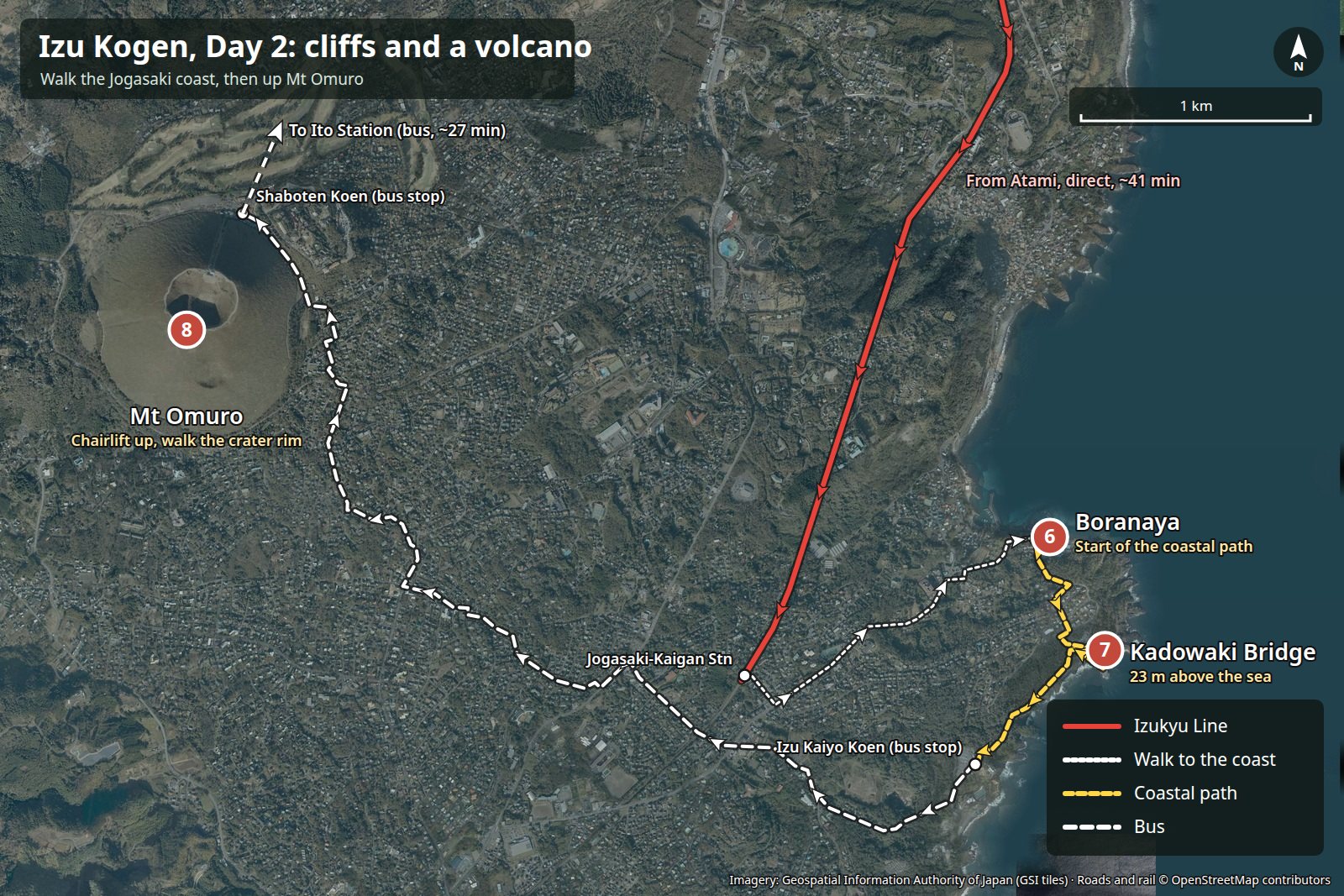
The eight stops, in map order:
| No. | Stop | In a line |
|---|---|---|
| ① | Atami Station & arcades | The gateway; lunch and snacks |
| ② | MOA Museum of Art | An escalator of light and views of Sagami Bay |
| ③ | Kinomiya Shrine | A camphor tree over 2,100 years old |
| ④ | Shinsui Park | Terraces built out over the sea |
| ⑤ | Atami Sun Beach | A beach right in front of the hot-spring town |
| ⑥ | Boranaya (Jogasaki coast) | Start of the coastal path |
| ⑦ | Kadowaki Bridge & lighthouse | A suspension bridge between cliffs |
| ⑧ | Mt Omuro | A chairlift up a volcano and a walk round the crater |
Day 1, hour by hour
Take the 8:57 shinkansen from Tokyo, arriving in Atami at 9:42. The MOA Museum, lunch by the station, Kinomiya Shrine and the seafront, then check in at your inn around 16:45 for a hot bath and dinner.
How day 1 is spent (numbers match the map)
An example checked against the Saturday timetable for October 2026
| Time | Leg | Transport & time | Notes |
|---|---|---|---|
| 08:57 | Tokyo → Atami (09:42) | Tokaido Shinkansen, Kodama, 45 min | Unreserved seats are fine. The Odoriko limited express takes about 80 min |
| 09:42 | Arrive at Atami | Leave big bags in a station locker | |
| 10:00 | Atami Stn → MOA Museum (10:07) | Bus, 7 min, ¥200 | Stand 8 at the station bus terminal; roughly every 15 min in the daytime |
| 10:07 | ② MOA Museum of Art | About 2 hours | Closed Thursdays (open on public holidays) |
| 12:13 | MOA Museum → Atami Stn (12:20) | Bus, 7 min, ¥200 | |
| 12:20 | ① Lunch in the station arcades | About 75 min | Seafood bowls, grilled dried fish, snacks |
| 13:41 | Atami → Kinomiya (13:43) | JR Ito Line, 1 stop, ¥160 | |
| 13:50 | ③ Kinomiya Shrine | 50 min | About 5 min on foot from Kinomiya Stn |
| 14:40 | Shrine → Shinsui Park | Walk, about 20 min, downhill | Through town to the sea |
| 15:00 | ④ Shinsui Park | 40 min | Moon Terrace, seaside decks |
| 15:40 | ⑤ Atami Sun Beach | 35 min | Walk north along the sand |
| 16:15 | Collect bags at the station, go to the inn | Walk or taxi | The station is uphill; a taxi takes minutes |
| 16:45 | Check in | A soak before dinner | |
| 18:30 | Dinner | ||
| 20:20 | (On show nights) Atami Marine Fireworks | 20 min | Visible from sea-facing rooms |
If your inn is close to the station, the easiest option is to drop your bags there in the morning; many inns will hold luggage before check-in. The MOA Museum bus does not run on the museum's closing days.
Day 2, hour by hour
Leave Atami on the 9:03 train, reaching Jogasaki-Kaigan at 9:44. About two hours on the coast, then a bus to Mt Omuro for lunch and the chairlift, and a limited express from Ito into Tokyo at 17:48.
How day 2 is spent (numbers match the map)
An example checked against the Saturday timetable for October 2026. Bus frequencies vary by day
| Time | Leg | Transport & time | Notes |
|---|---|---|---|
| 07:00 | Morning bath, breakfast | ||
| 08:40 | Check out, walk to Atami Stn | A walking day: travel light | |
| 09:03 | Atami → Jogasaki-Kaigan (09:44) | JR Ito Line / Izukyu Line through train, 41 min, ¥1,000 | No change at Ito. Sit on the left for the sea |
| 09:44 | Jogasaki-Kaigan Stn → Boranaya | Walk, about 30 min | There is a foot bath on the platform |
| 10:15 | ⑥ Boranaya → the coastal path | About 45 min | South along the clifftop path |
| 11:00 | ⑦ Kadowaki Bridge & lighthouse | About 45 min | Climb the lighthouse viewing deck too |
| 11:45 | Kadowaki → Izu Kaiyo Koen bus stop | Walk, about 15 min | End of the path |
| 12:35 | Izu Kaiyo Koen → Shaboten Koen (13:01) | Tokai Bus, 26 min, ¥570 | Missed it? Next at 12:50 (arr. 13:15) |
| 13:05 | ⑧ Lunch at the foot of Mt Omuro | 40 min | Places to eat by the lift |
| 13:50 | ⑧ Chairlift up, walk the crater rim | About 60 min | ¥1,000 return |
| 14:50 | Souvenirs, a rest | ||
| 15:06 | Shaboten Koen → Ito Stn (15:33) | Tokai Bus (rapid), 27 min, ¥880 | The stop is right in front of the lift |
| 16:02 | Ito → Tokyo (17:48) | Limited Express Odoriko, 1 h 46 min, ¥4,000 (reserved) | No changes. Reserve ahead |
In a hurry? Get off the same 16:02 Odoriko at Atami and change to a Kodama shinkansen to reach Tokyo at 17:18 (¥4,850). South of Ito, the Izukyu Line runs with the sea on the left.
Tickets and budget
You arrive and leave by different stations, so return discounts and passes do not fit well. Simply tap an IC card (Suica and the like) for each leg. The one thing to book ahead is a reserved seat on the Odoriko home.
| Item | Per adult | Notes |
|---|---|---|
| Tokyo → Atami (Kodama, unreserved) | ¥3,740 | Reserved: ¥4,270 |
| MOA Museum bus (return) | ¥400 | ¥200 each way |
| MOA Museum of Art | ¥2,000 | Free for junior-high age and under |
| JR Atami → Kinomiya | ¥160 | ¥155 by IC card |
| Atami → Jogasaki-Kaigan | ¥1,000 | JR ¥350 + Izukyu ¥650 |
| Bus, Izu Kaiyo Koen → Shaboten Koen | ¥570 | |
| Mt Omuro chairlift (return) | ¥1,000 | Return tickets only |
| Bus, Shaboten Koen → Ito Stn | ¥880 | |
| Ito → Tokyo (Odoriko, reserved) | ¥4,000 | Fare ¥2,420 + reserved express fee ¥1,580 |
| Two lunches, breaks | ¥4,000–5,000 | |
| Rough total | About ¥18,000 + the inn | Souvenirs extra |
Prices are published rates and search results as of September 2026. The inn is left out because it varies so much by place and date. Atami's hot-spring inns mostly sell rooms with dinner and breakfast, and guests usually check in late afternoon to fit the dinner time.
① Atami Station & the arcades
Step off the shinkansen and you are already at the door of the hot-spring town. Right opposite the ticket gates, two covered shopping streets open up: Nakamise-dori and Heiwa-dori. In the morning, go straight to the bus for the MOA Museum; come back here at midday for lunch.
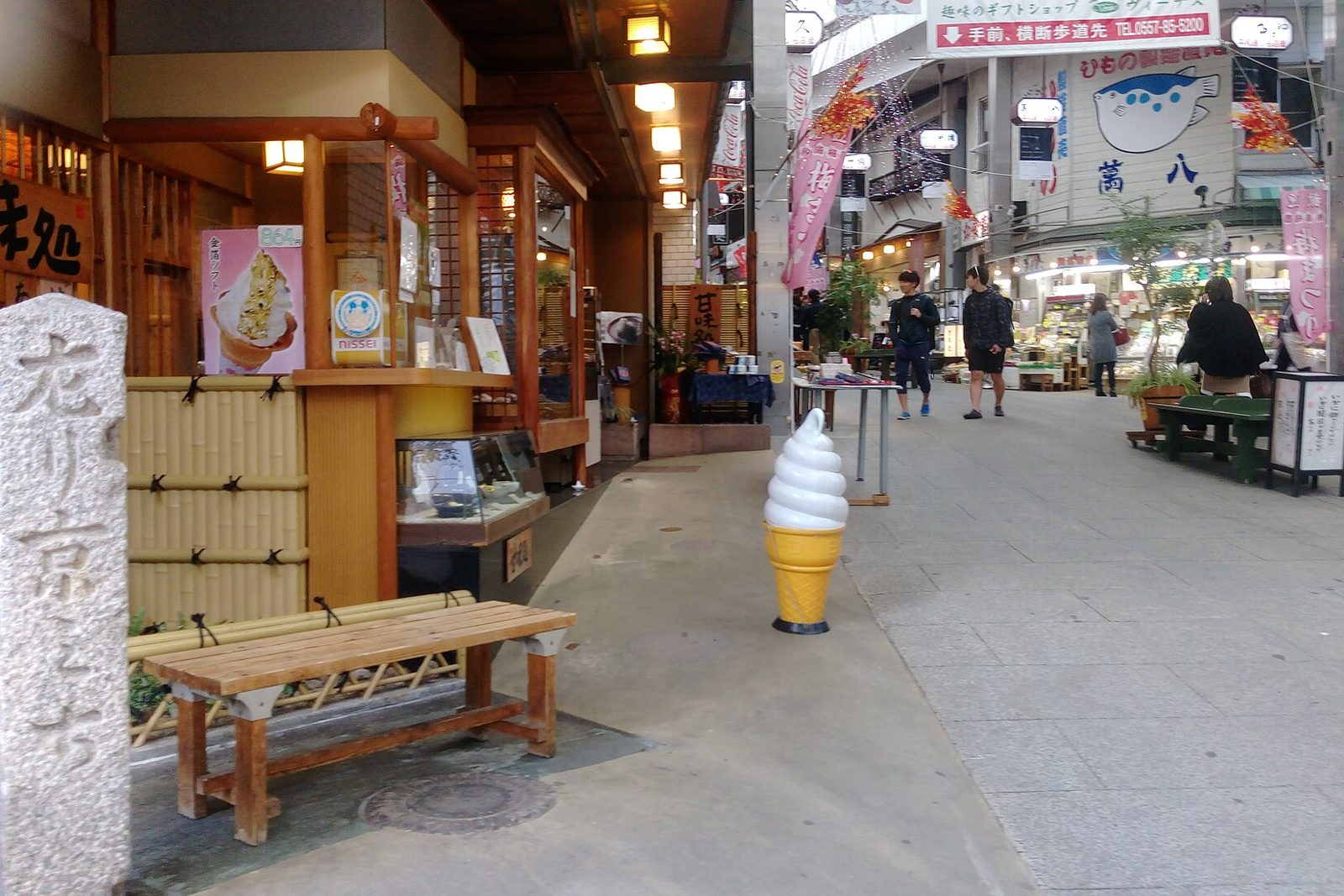
These arcades are the easiest place to eat your way through Atami: dried fish and seafood bowls from Sagami Bay, fish cakes and hot-spring buns to eat as you walk. Lunching here also keeps you right by the station, where the afternoon starts.
- Lunch — grilled dried-fish set meals and seafood bowls. Popular places queue at midday, so arriving around 12:20 is about right
- Snacks — freshly fried fish cakes, hot-spring buns, pudding. There are benches halfway along to sit down
- The station foot bath — the plaza in front of the station has a free foot bath, Ieyasu no Yu, handy while you wait
② MOA Museum of Art
Seven minutes by bus from the station, on a height above the sea. The museum is known for its Japanese and East Asian art, above all Ogata Korin's Red and White Plum Blossoms, a National Treasure. Open 9:30–16:30 (last entry 16:00), closed Thursdays.
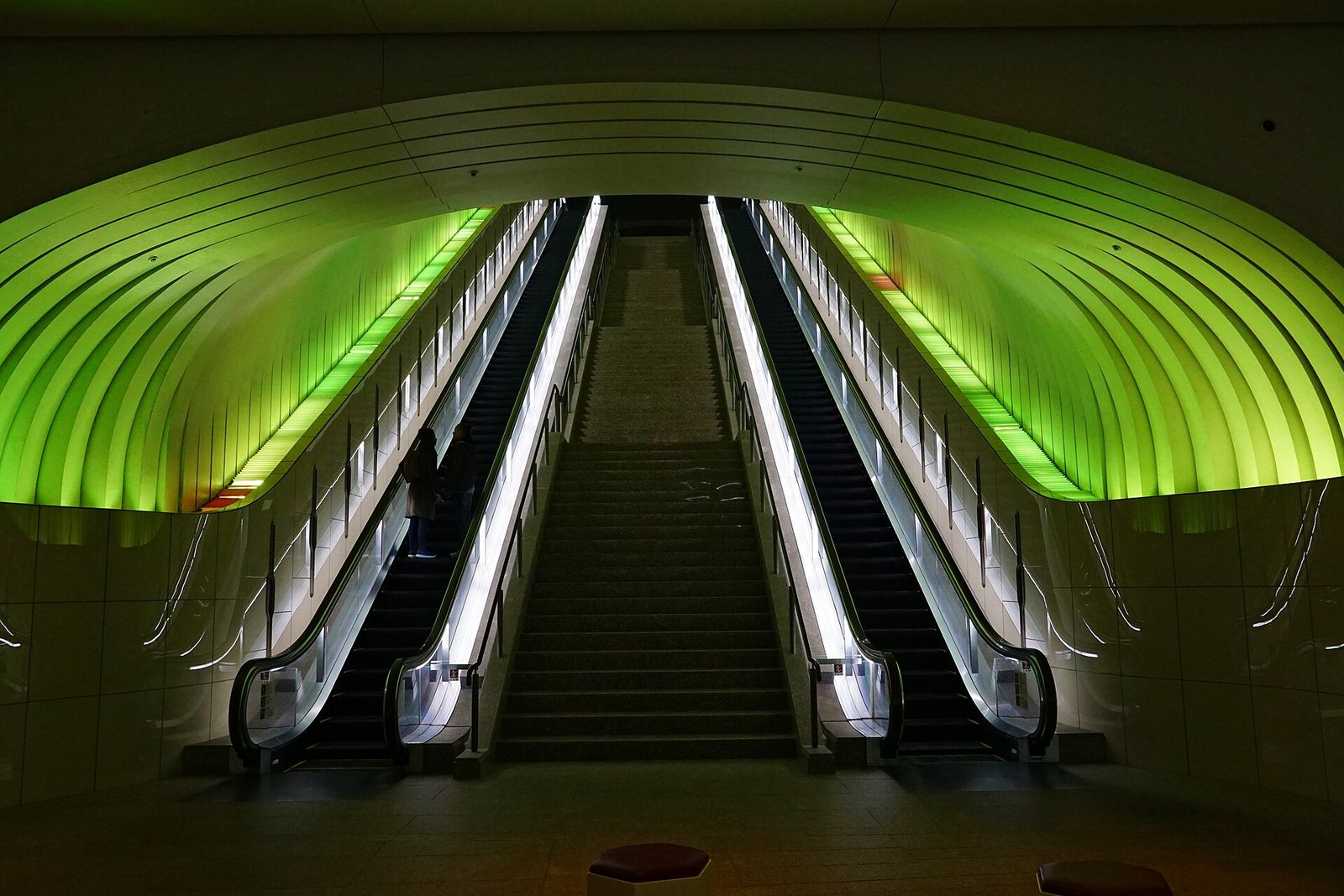
Here the way in and the view out are part of the show. From the entrance you ride a series of escalators up through the hill, bathed in slowly changing light, and arrive in a lobby whose great windows are filled with Sagami Bay.
- The escalators — several in a row take you from the entrance to the main building. Halfway up, a round hall has kaleidoscope images projected across its dome
- The Golden Tea Room — a reconstruction of the tea room covered in gold leaf, walls and pillars alike, said to have been made for Toyotomi Hideyoshi
- The view — from the lobby and outdoor terraces you see Sagami Bay and, on a clear day, Hatsushima and Izu Oshima
- The garden — a Japanese garden and tea houses in the grounds, just right for a stroll after the galleries
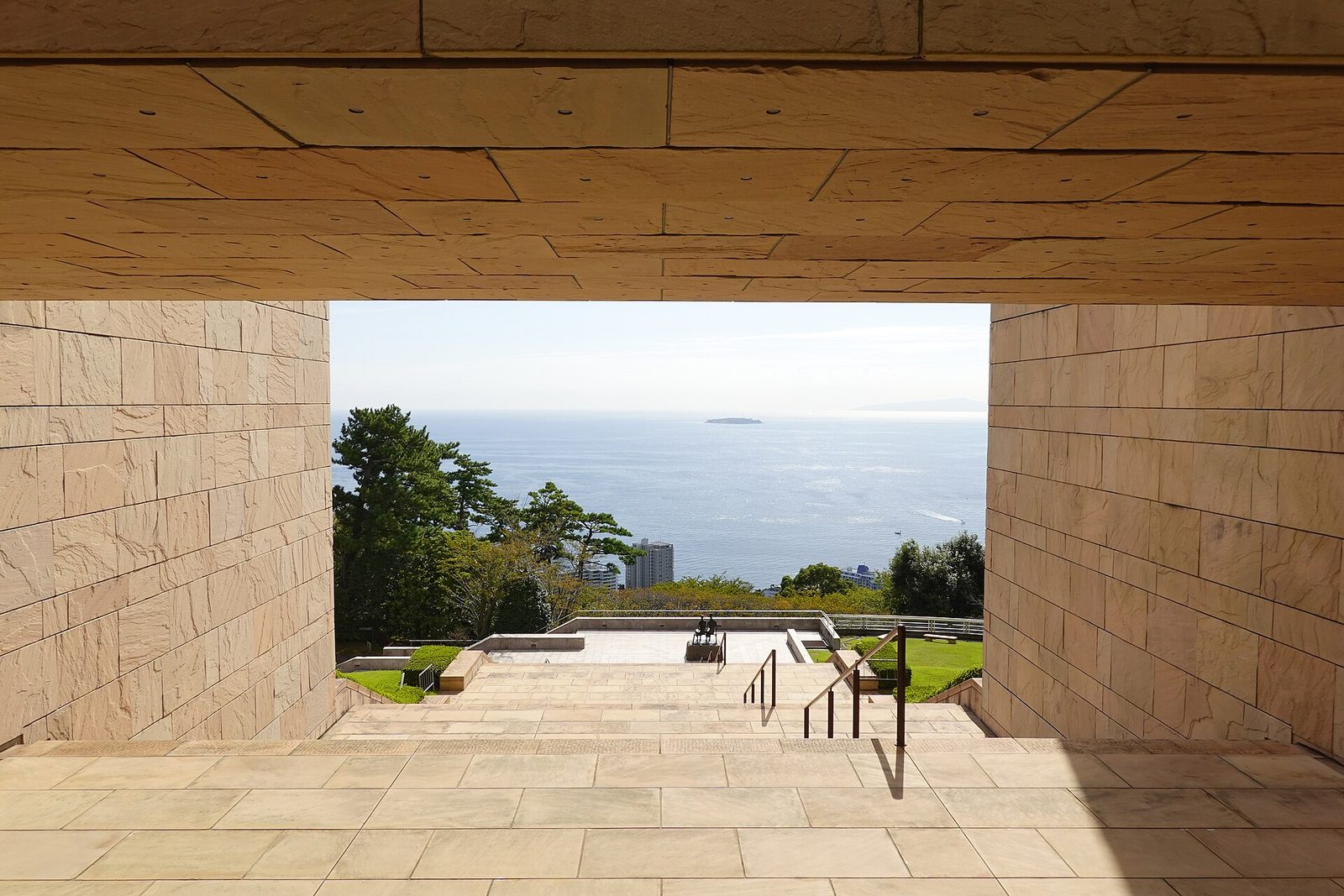
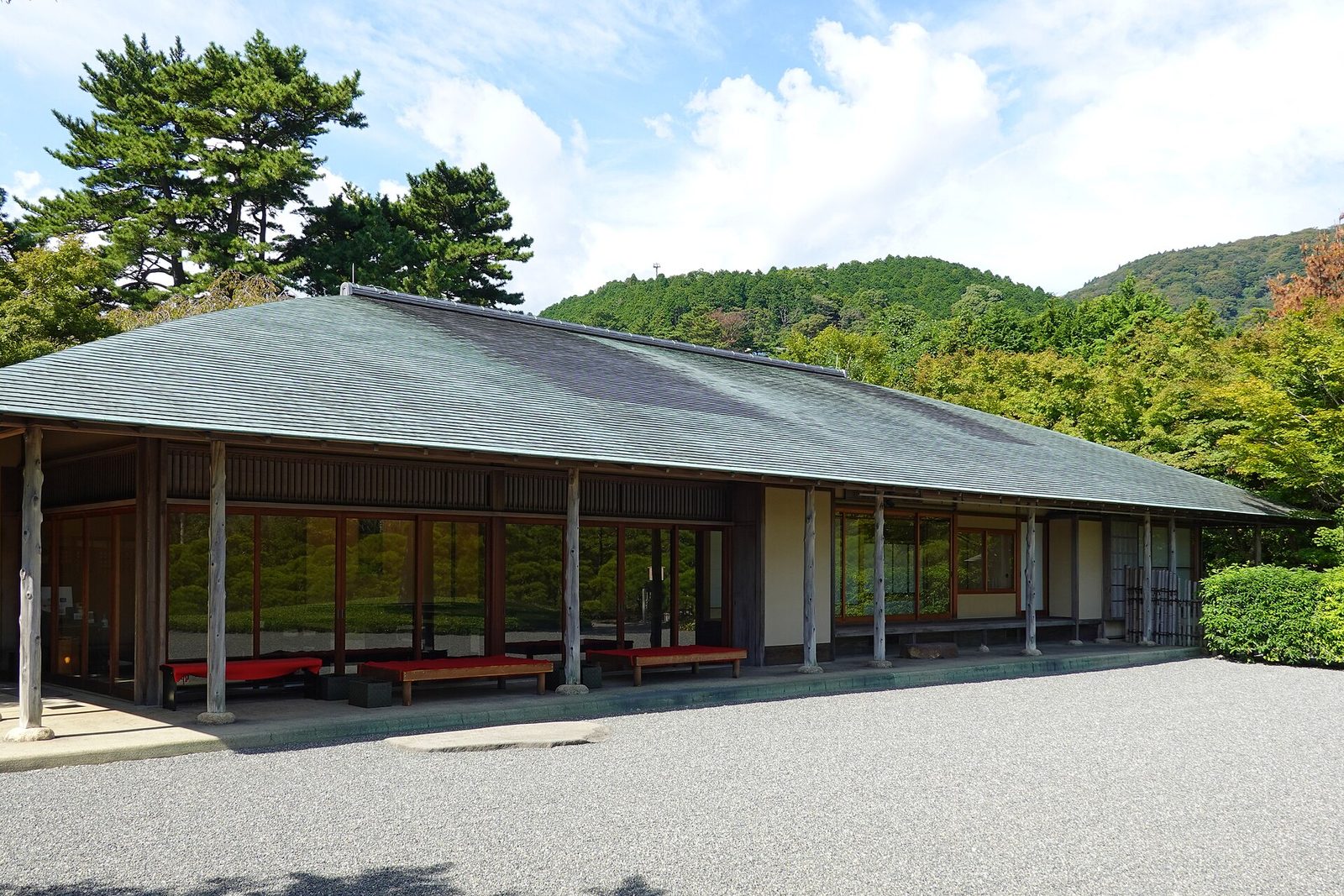
The Red and White Plum Blossoms screens are usually shown in plum season, around February. If there is a work you particularly want to see, check the exhibition calendar on the museum's site.
③ Kinomiya Shrine
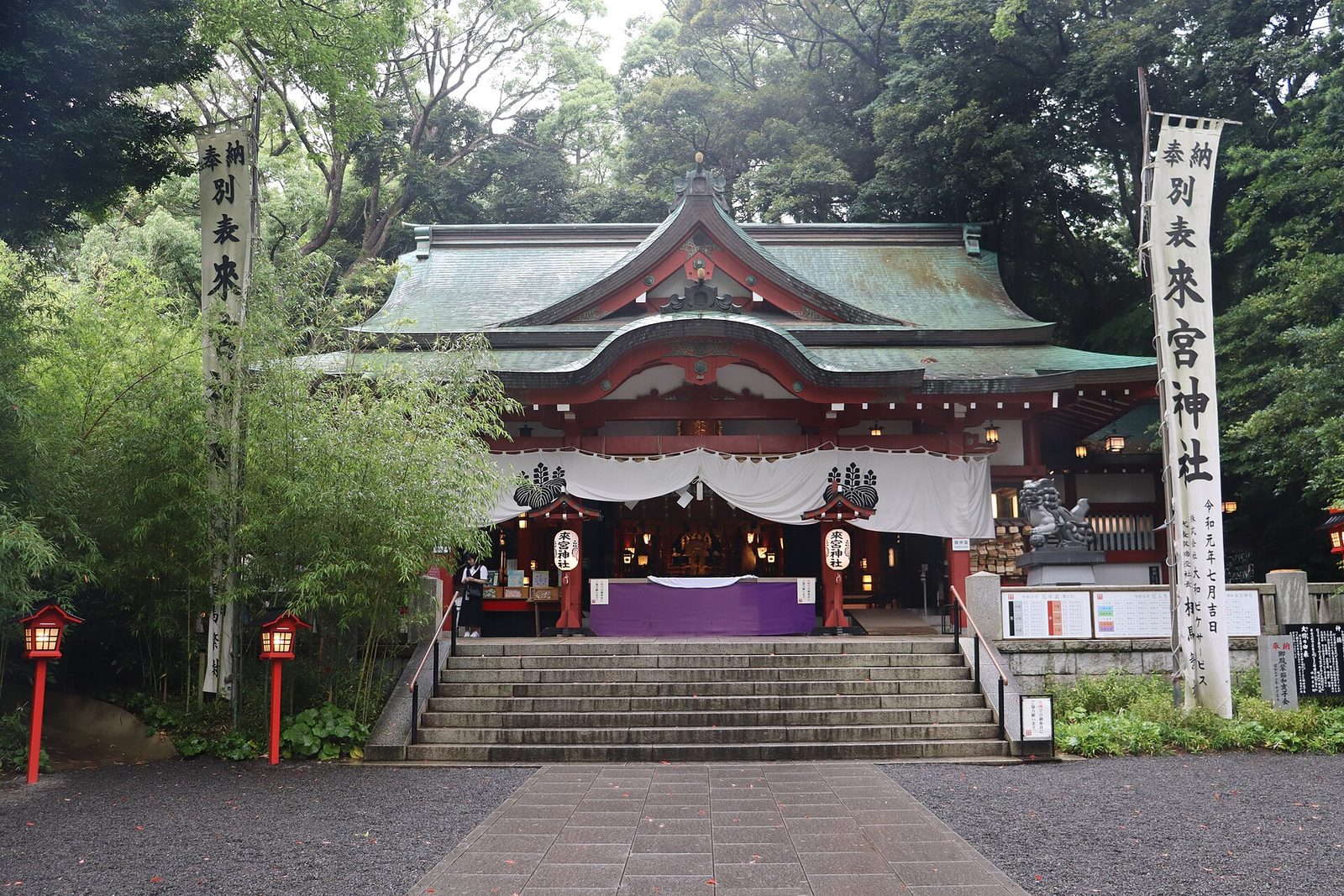
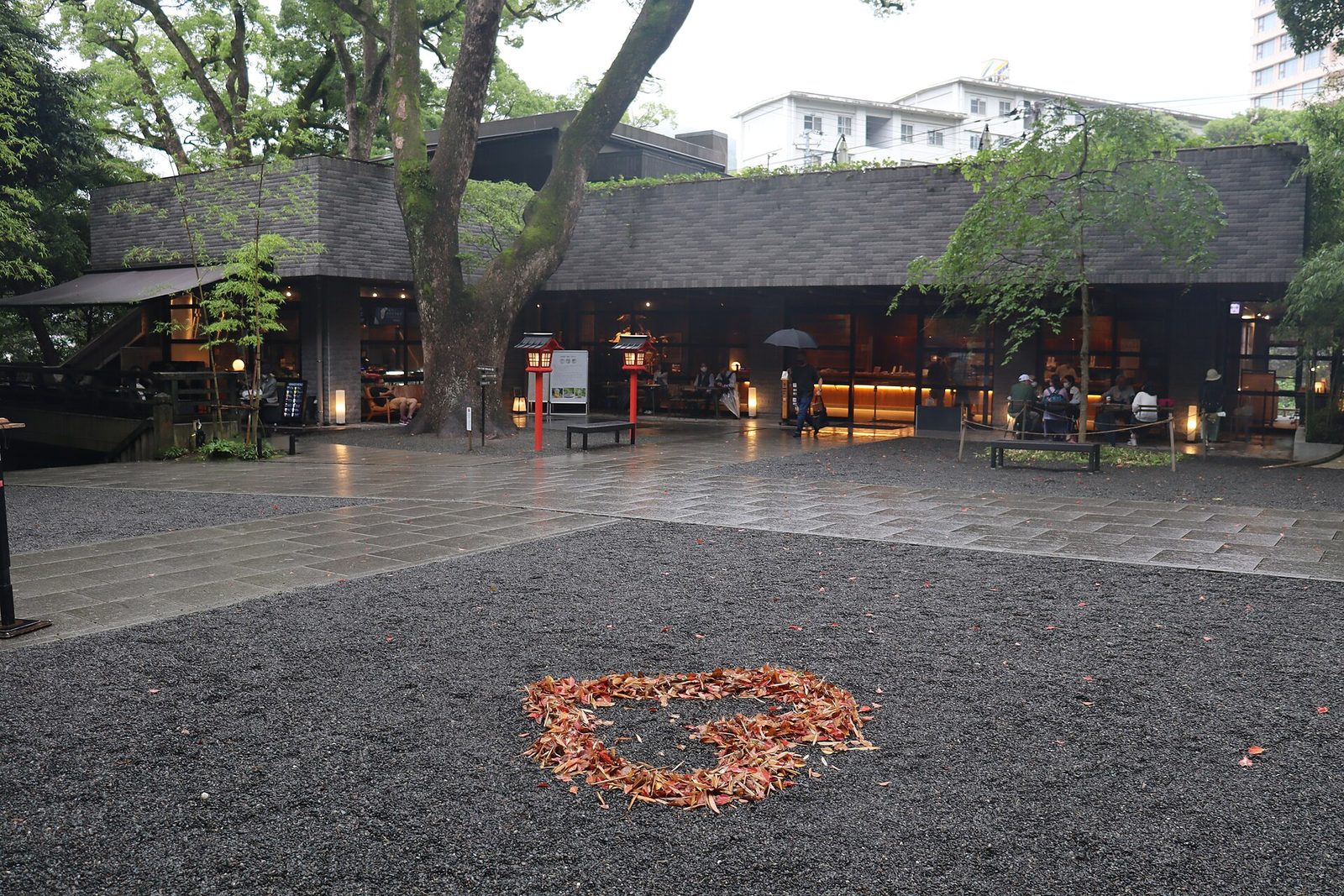
One stop from Atami on the Ito Line, then about five minutes on foot from Kinomiya Station. At the back of the grounds stands the shrine's sacred camphor tree, a national natural monument.
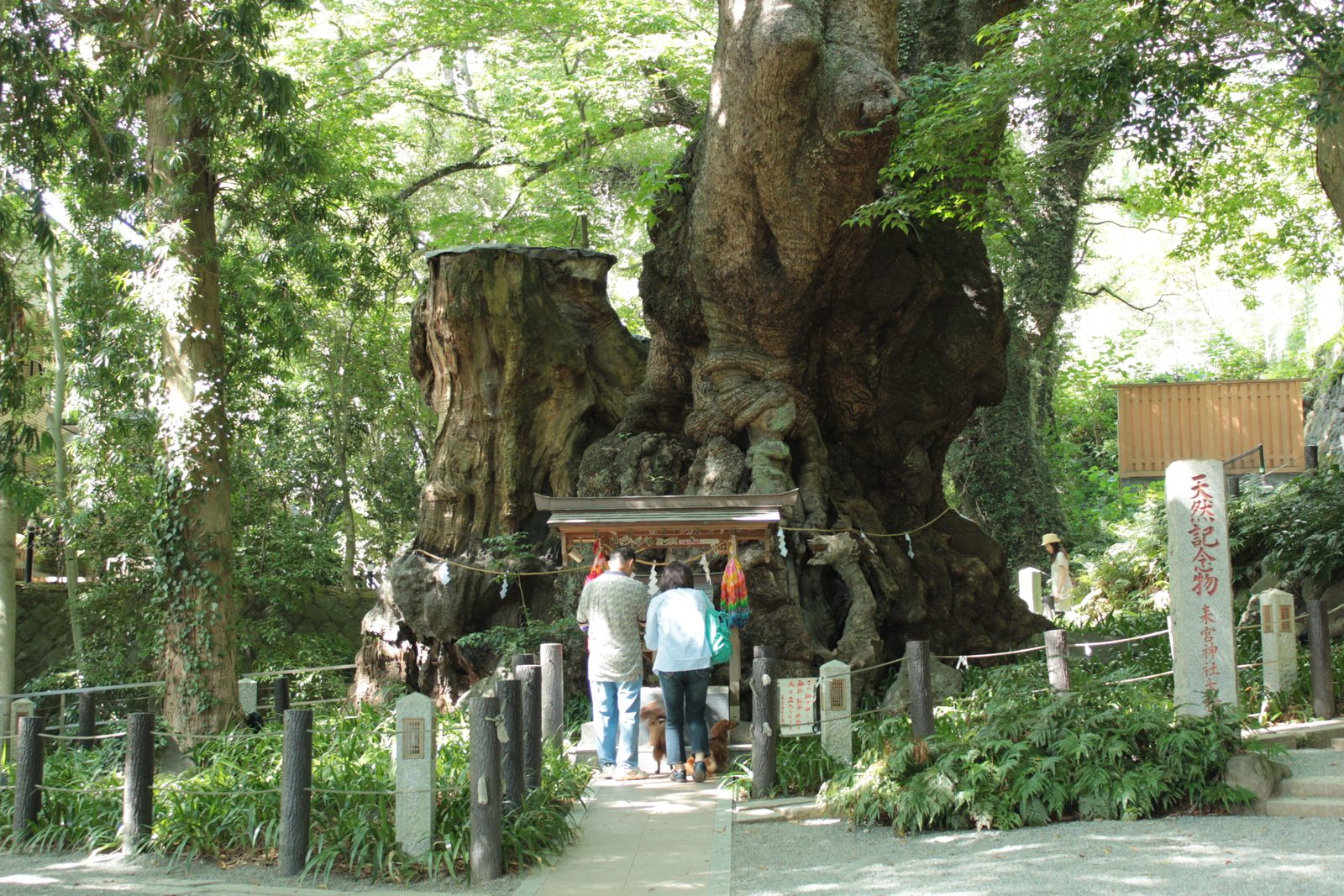
The camphor is said to be over 2,100 years old, and its girth and sheer vitality stop you in your tracks. Tradition says walking once around the trunk adds a year to your life, and that going round with a wish in your heart makes it come true, so visitors quietly circle the tree.
- Order of visit — pray at the worship hall first, then go on to the camphor. When you circle it, follow the flow of other visitors
- Tea in the grounds — the shrine runs rest spots such as the Hoko tea room beside the assembly hall. Take a break before heading downhill
- The tree at night — after dark the camphor is lit up. If your inn is not far, it is worth coming back
④ Shinsui Park & ⑤ Sun Beach
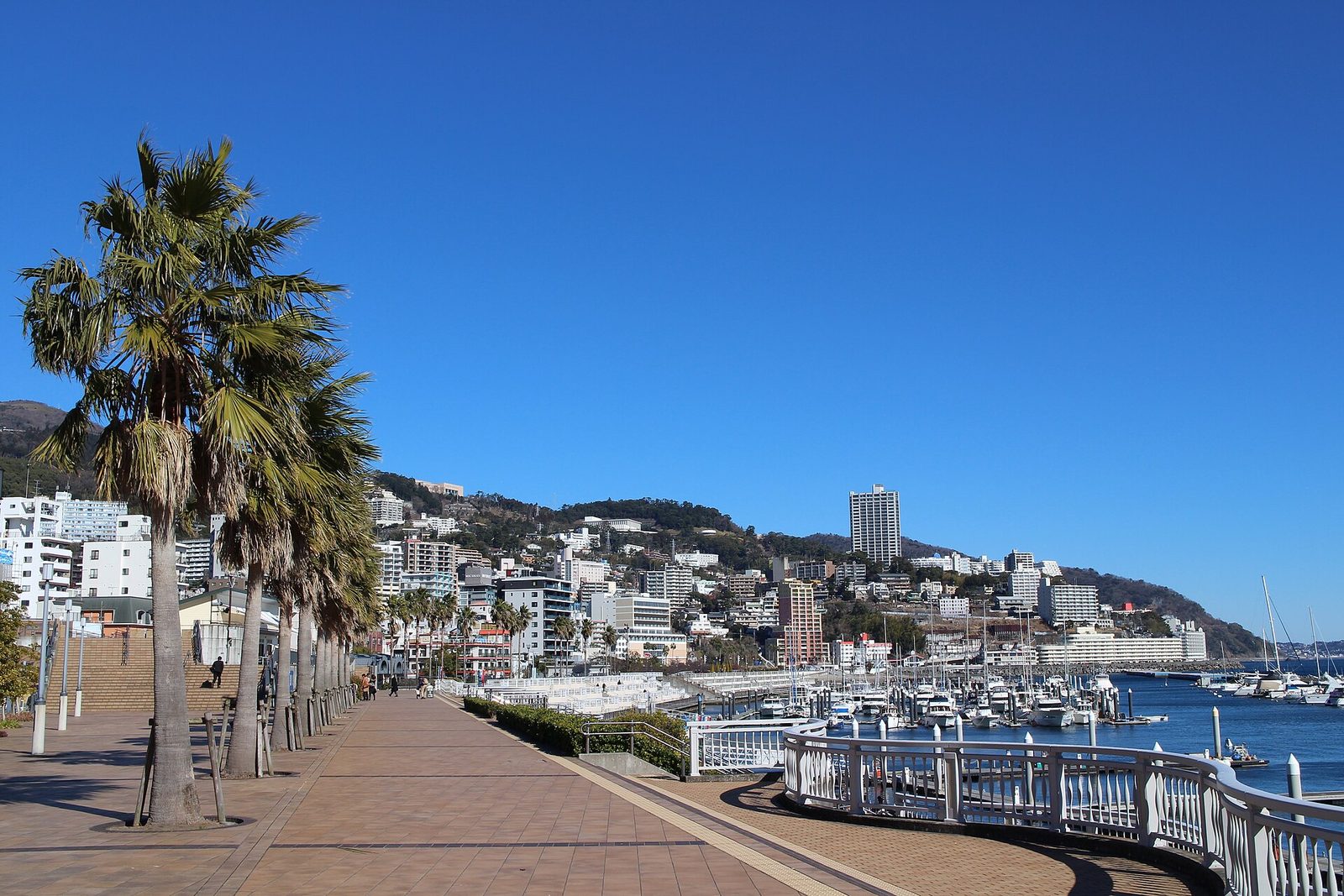
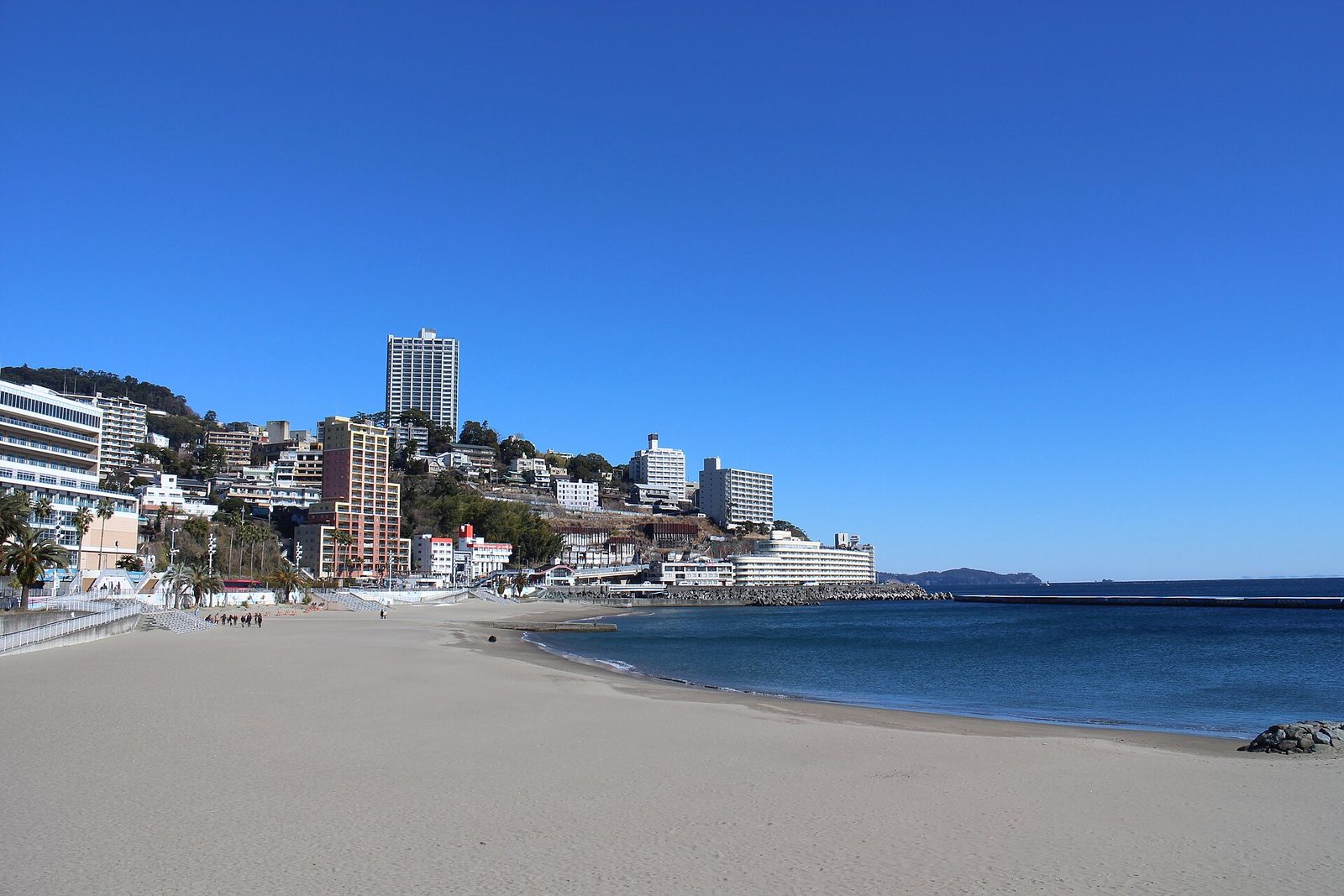
Twenty minutes downhill from the shrine brings you to the sea. Start at Shinsui Park by the marina and walk north along the water to the sands of Atami Sun Beach.
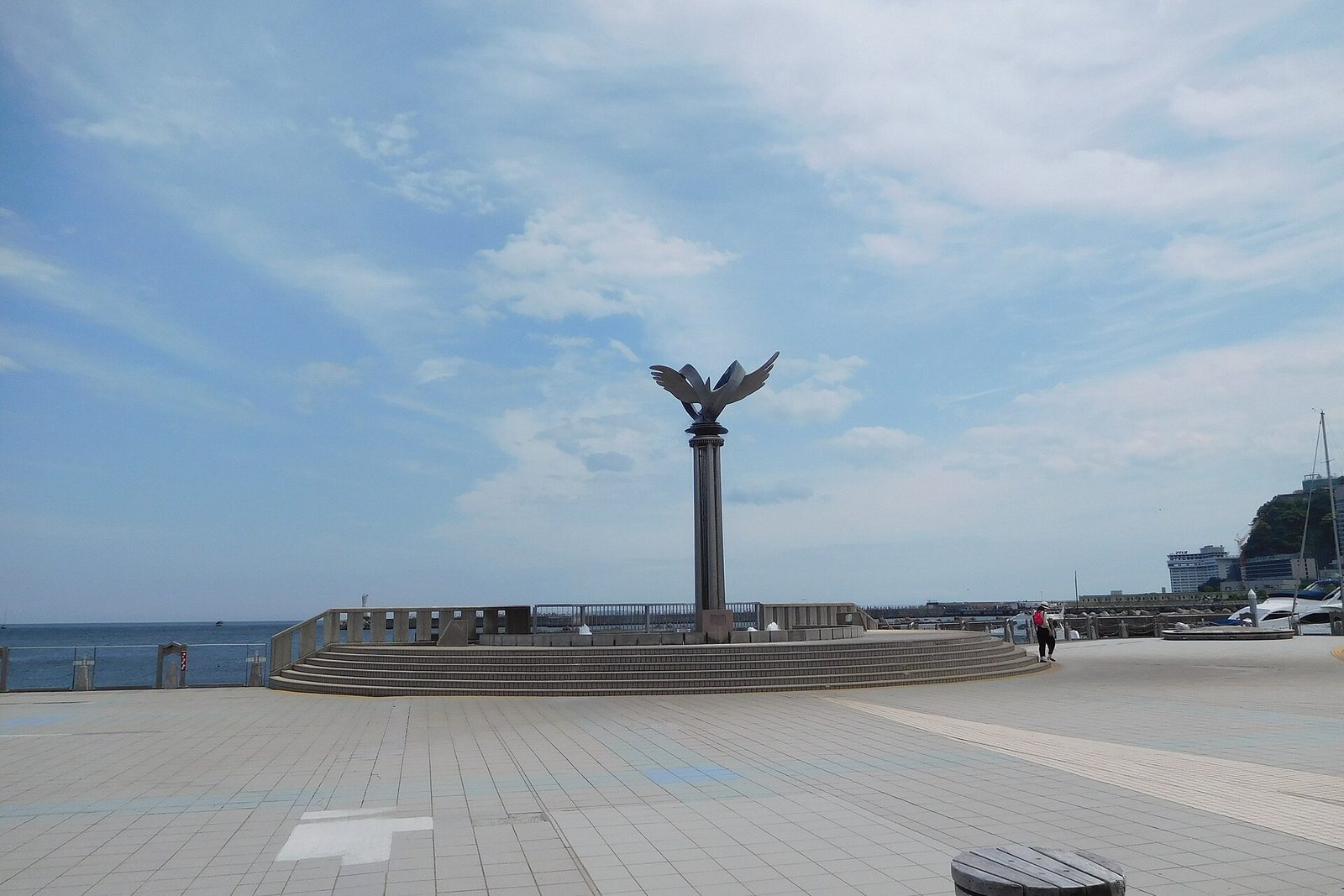
Atami's charm is that the hot-spring town, the beach and the harbour sit right next to each other. Forty minutes of walking in the sea breeze, late in the afternoon before you check in, makes a fine end to day 1.
- Moon Terrace — a plaza in Shinsui Park built out over the sea, chosen as a Lovers' Sanctuary
- The promenade — palms and decks said to be inspired by Sanremo in Italy, Atami's sister city
- Sun Beach — the beach right in front of the hot-spring town. At night the sand is lit up and looks quite different
The inn, and fireworks
Spend the first night unwinding at a hot-spring inn: a soak before dinner, then again at night and in the morning. Atami's springs are mostly salty, which is said to keep you warm long after you get out.
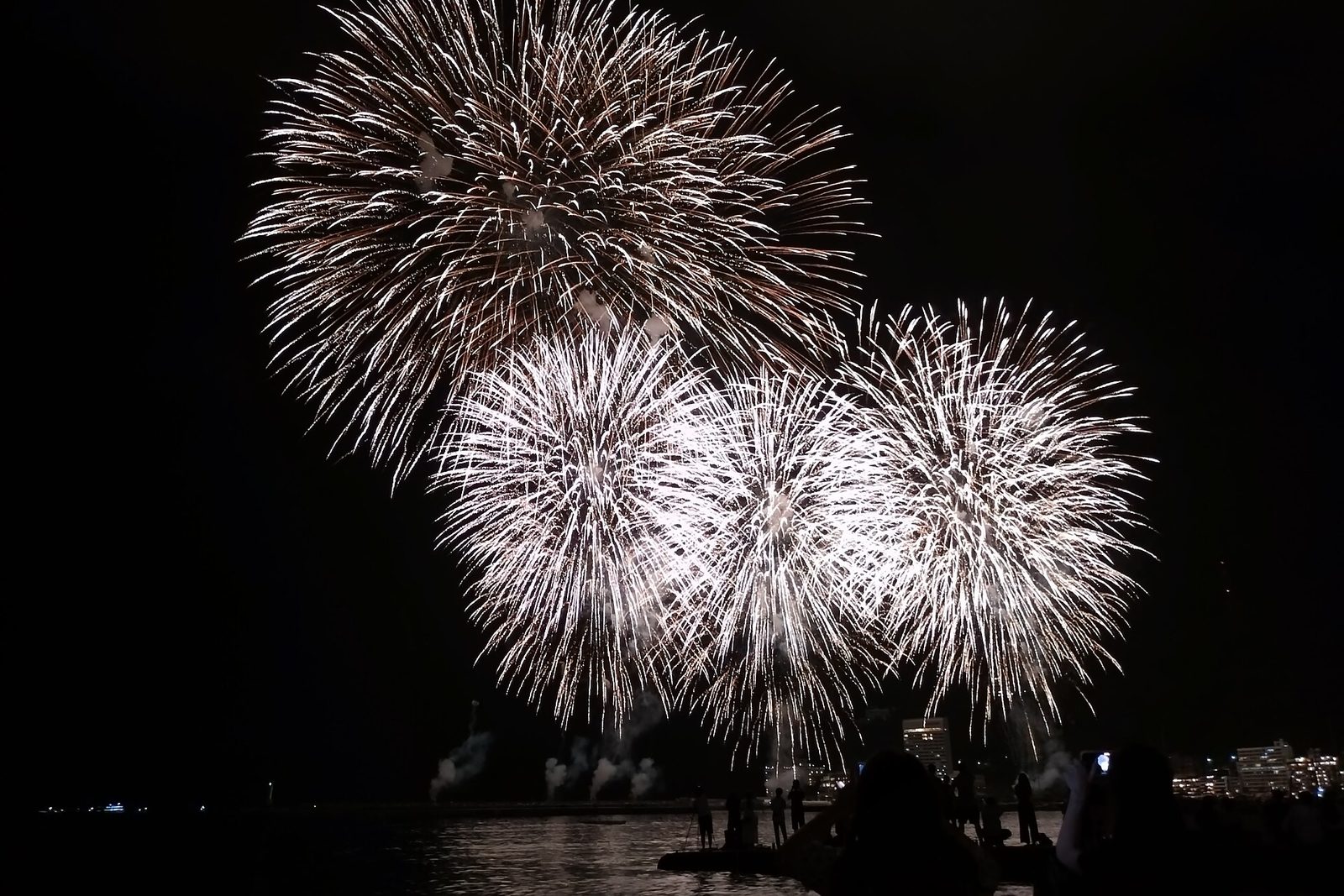
If your dates line up, catch the Atami Marine Fireworks. The bay is a bowl ringed by hills on three sides, so each burst echoes back until you feel it in your chest. Autumn and winter shows for the 2026 season are planned for 12 and 25 October, 8 and 23 November, and 6 and 25 December, all 20:20–20:40.
- Choosing an inn — to watch from your room, pick an inn with sea-facing rooms. Near Sun Beach, the shore is a short walk away
- Where to watch — Atami Sun Beach is the best spot. It gets crowded on show nights, so go early
- Next morning — day 2 starts with a 9:03 train, so have breakfast around 7 and leave time for a morning bath
⑥ Walking the Jogasaki coast
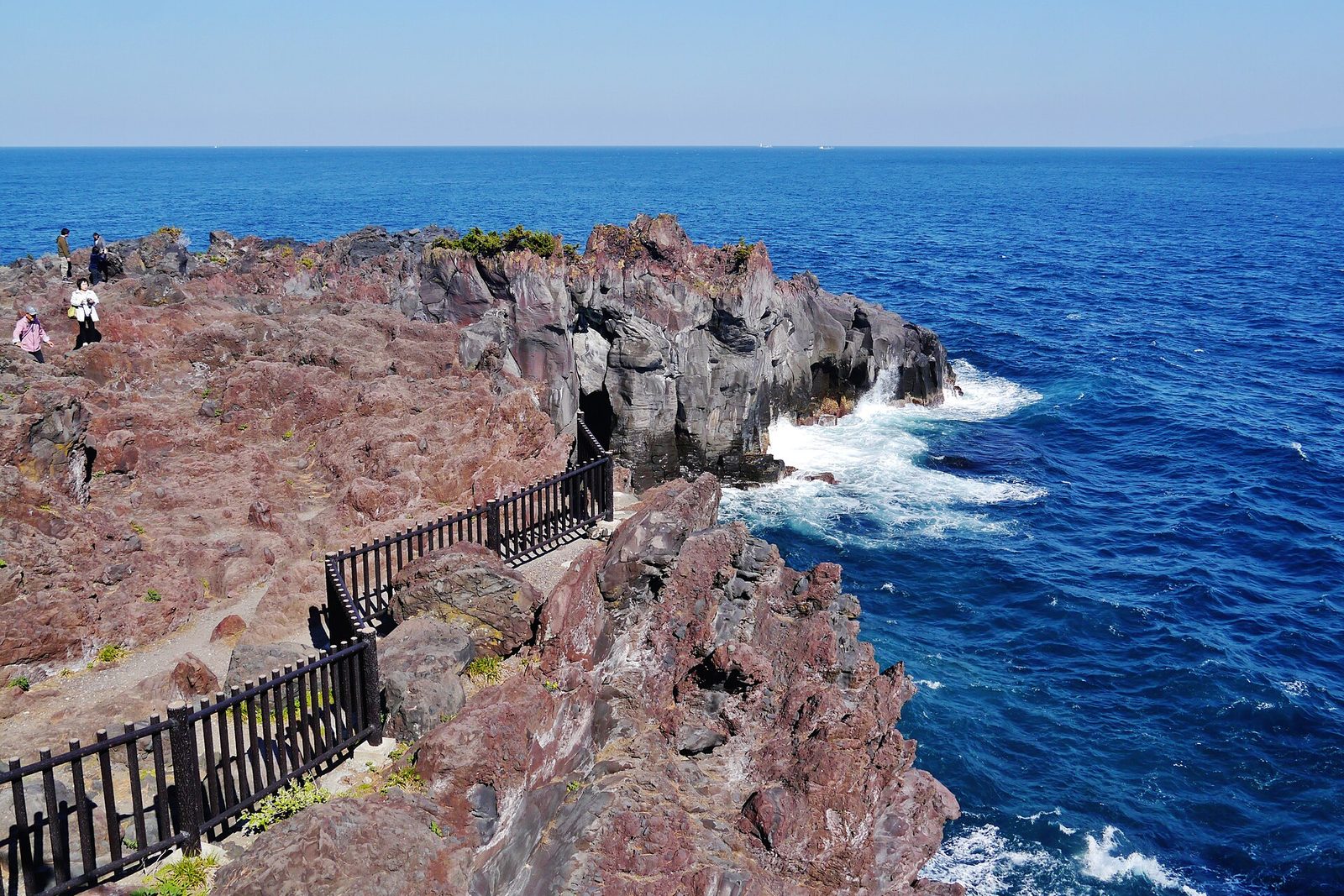
On day 2, ride about 40 minutes from Atami to Jogasaki-Kaigan Station. A 30-minute walk through a residential area brings you to the sea at Boranaya, a restaurant that marks the start of the Jogasaki Picnical Course. From here the path runs south along the clifftops, past Kadowaki Bridge, to Izu Kaiyo Koen.
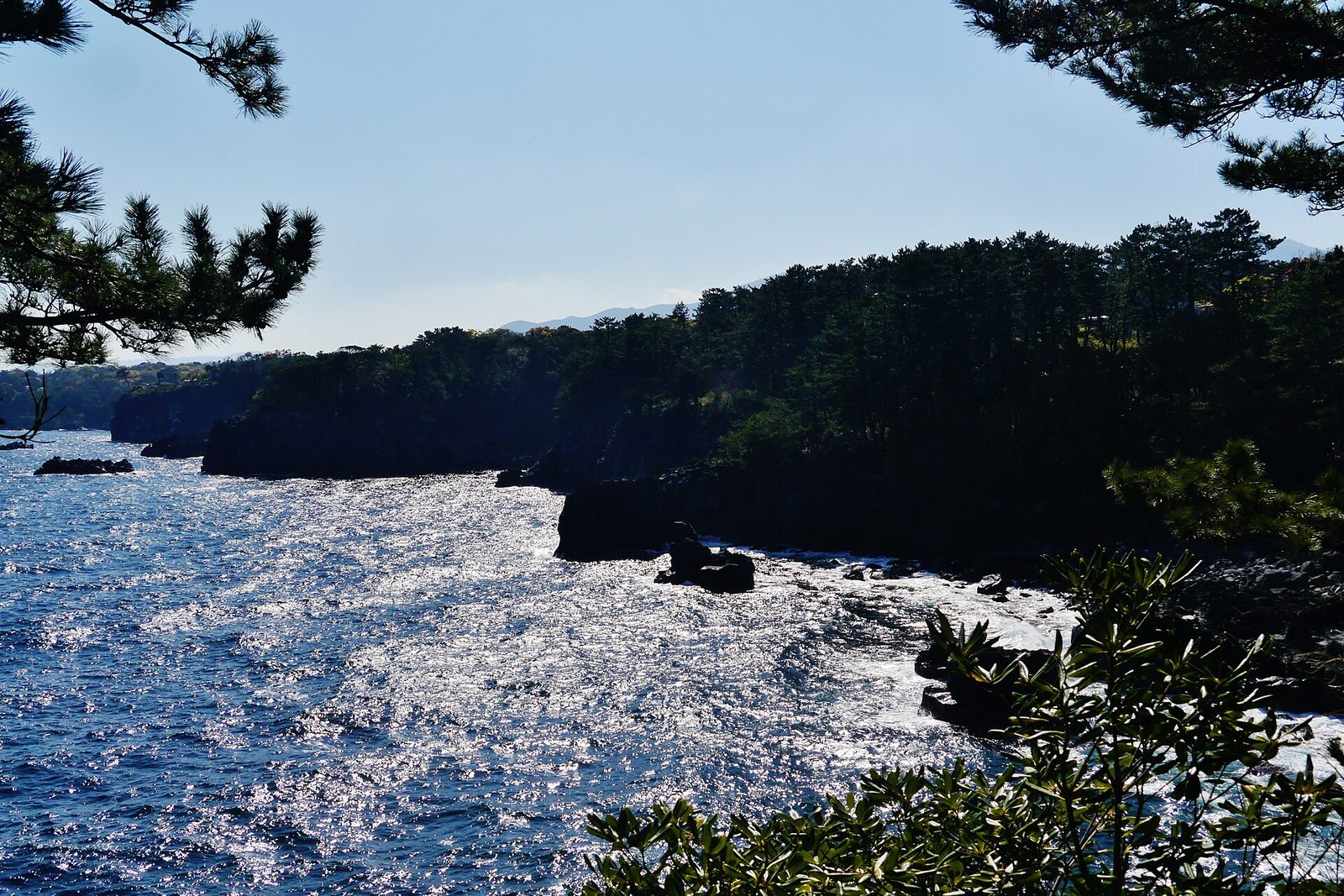
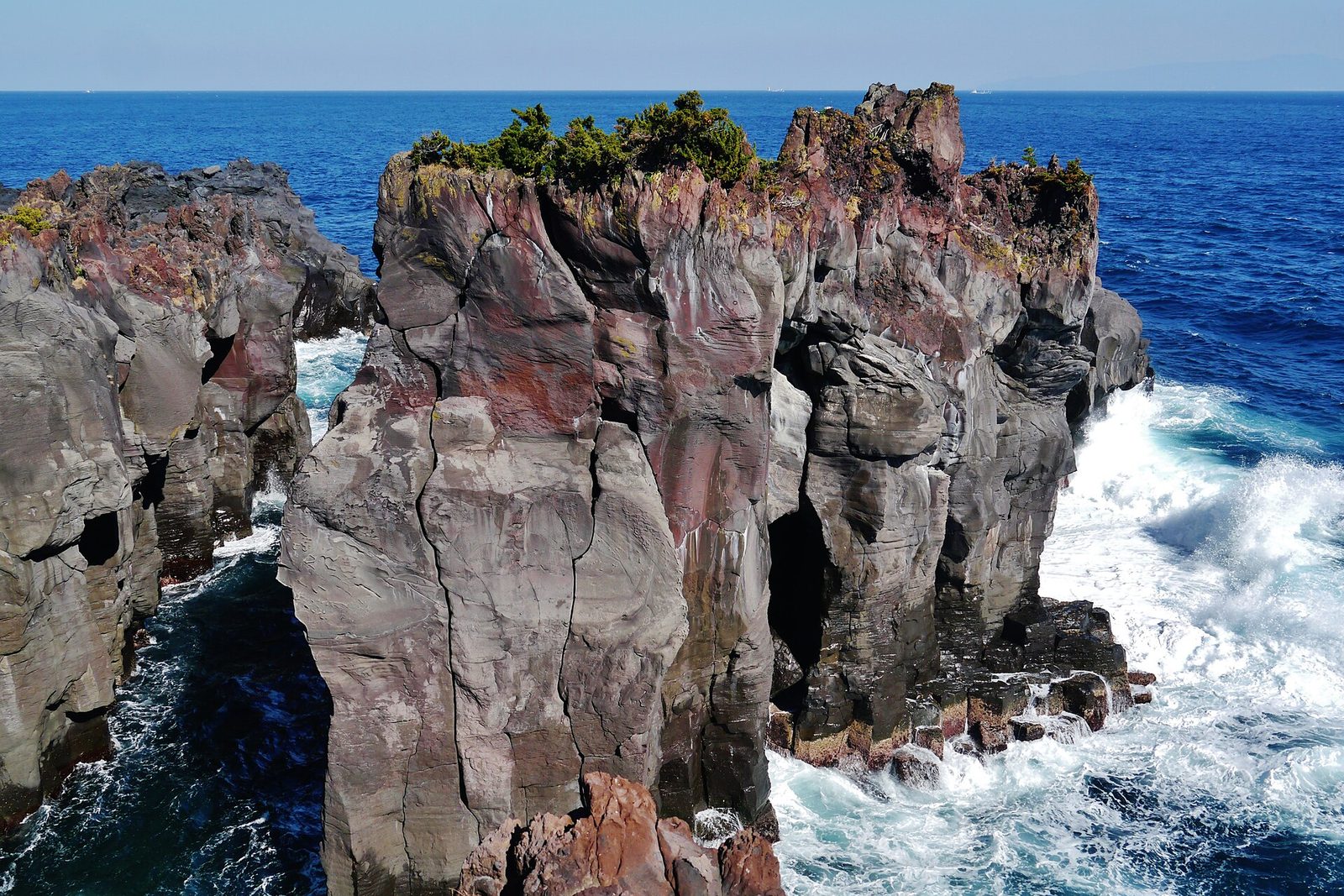
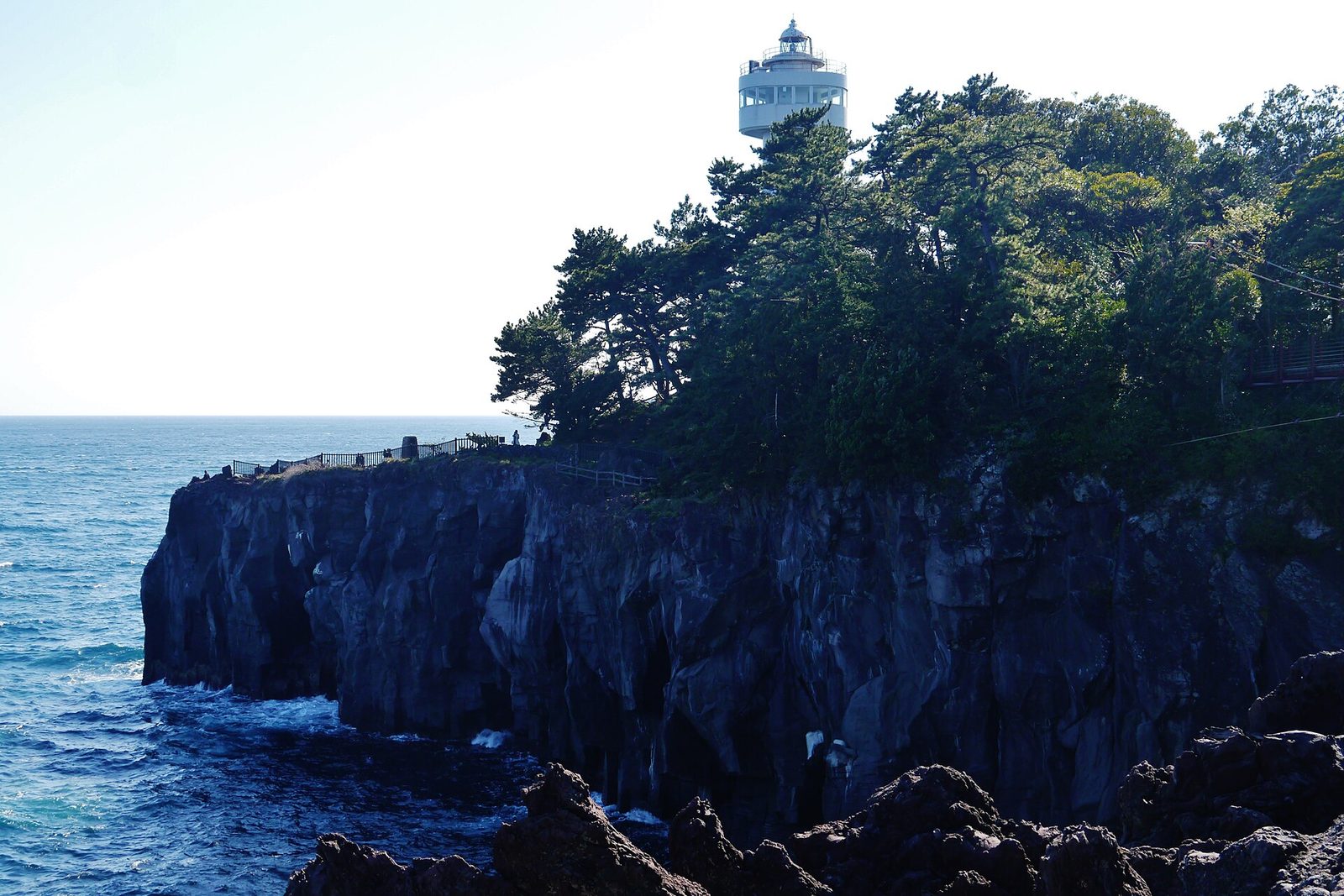
The Jogasaki coast was made when lava from an eruption of Mt Omuro, about 4,000 years ago, reached the sea. The waves have since carved the black cliffs into a ragged line of headlands and coves. The path follows the cliff edge, so you walk with big waves breaking below your feet.
- Boranaya — a thatched fishermen's hut first built in the Edo period for mullet fishing, restored as a restaurant; its speciality is golden-eye snapper (kinmedai). It opens 11:00–15:00 (closed Thursdays), so on this schedule it is simply the starting point. To eat here, push the later buses back
- How long — tourist guides give the course as about 3 km, 90 minutes at an easy pace. Boranaya to Kadowaki alone takes around 25 minutes without detours
- Along the way — the remains of a gun battery from the 1850s, columnar joints in the lava, and rocks where the waves spout. The path is well kept but uneven with roots and stones
South of Kadowaki, the Nature Research Trail continues to Yawatano, making about 9 km of coastal path in all. This route covers only the northern Picnical Course.
⑦ Kadowaki Bridge & lighthouse
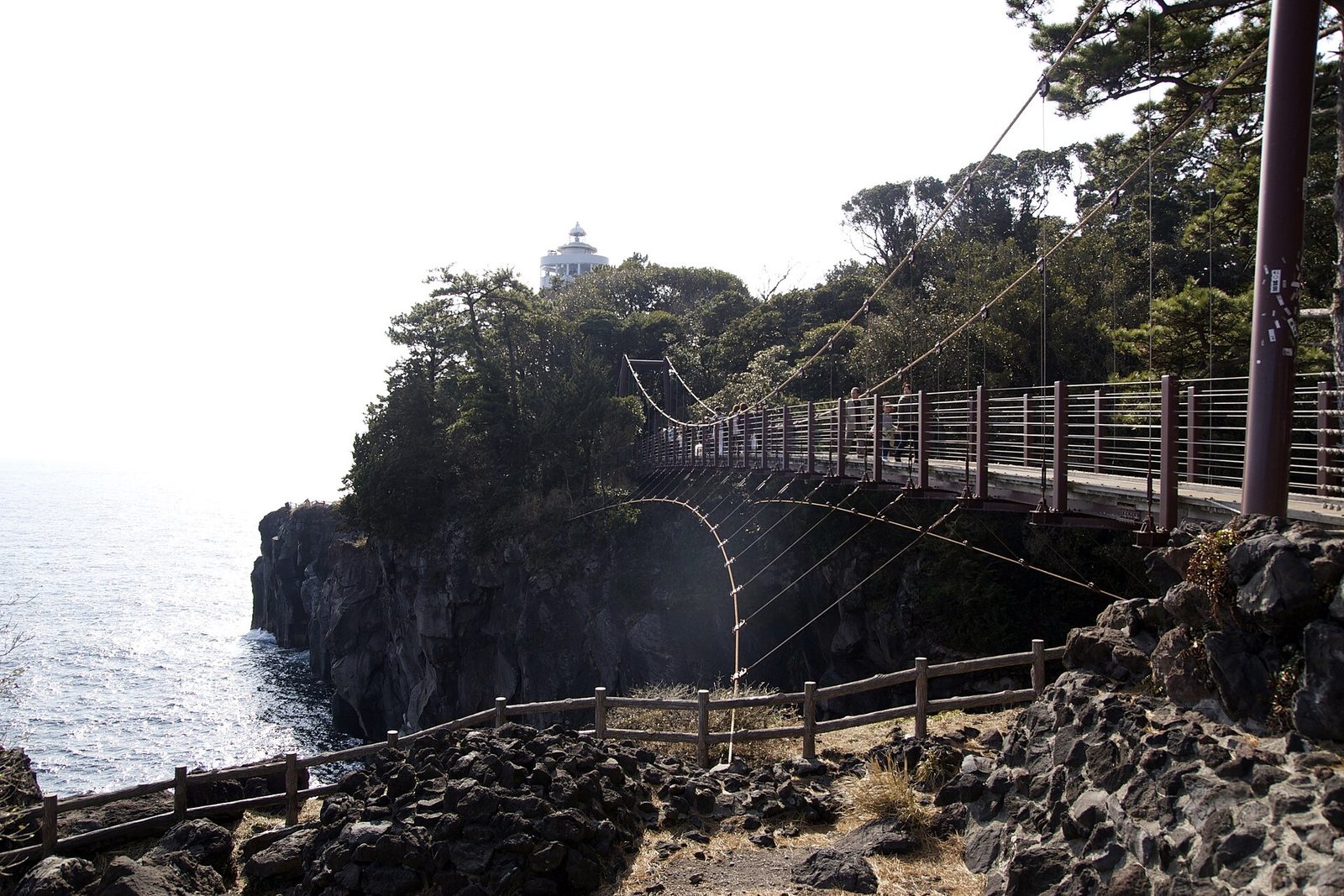
The highlight of the path is Kadowaki Bridge, slung between two cliffs: 48 m long and 23 m above the sea. It sways a little underfoot, and you can see the waves through the gaps.
Just past the bridge, Kadowakizaki Lighthouse has a viewing deck at the top (9:00–17:00 April to October, until 16:00 November to March). From up there you see the bridge you just crossed and the lava coastline running north and south.
- Not a fan of bridges? — a path lets you go round instead
- A break — there is a kiosk and toilets by the lighthouse. Have an ice cream while you wait for the bus
- To the bus — the Izu Kaiyo Koen stop is about 15 minutes on along the path
⑧ Mt Omuro
Twenty-six minutes by bus from Izu Kaiyo Koen bring you to the foot of Mt Omuro (580 m), rising from the middle of Izu Kogen. The chairlift station is right opposite the Shaboten Koen bus stop. Have lunch at one of the places at the bottom first.
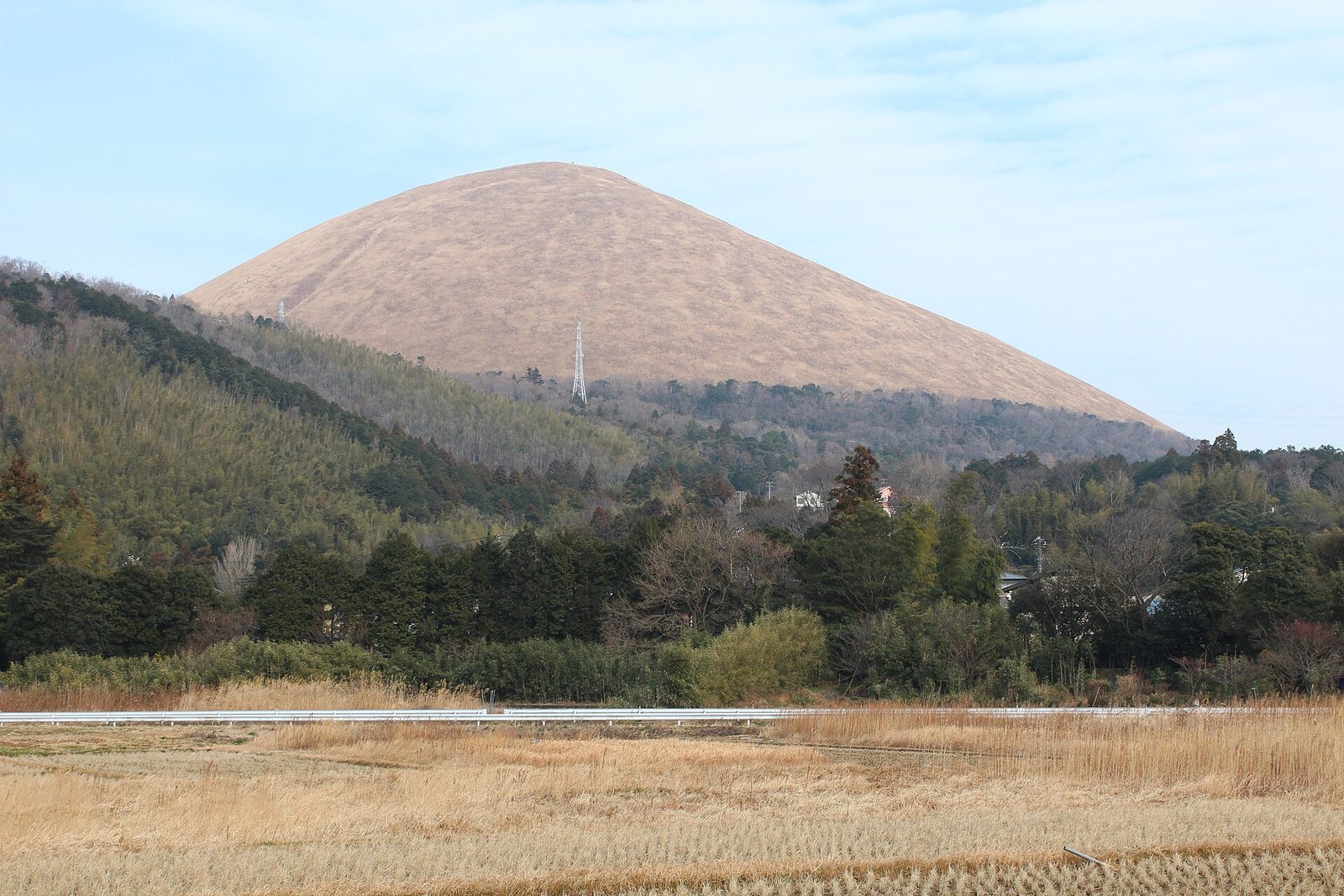
Mt Omuro is a scoria cone from an eruption about 4,000 years ago. It keeps its neat upturned-bowl shape because the slopes are burned every February, so trees never take hold and it stays covered in grass. The mountain is a national natural monument: you cannot walk up, only take the chairlift.
- The chairlift — ¥1,000 return. 9:00–17:00 from March to September and 9:00–16:00 from October to February (last ride up). A few minutes to the top
- Round the rim — a path of about 1 km circles the crater, 20–30 minutes. On a clear day you see Mt Fuji, Izu Oshima and the Amagi mountains
- The crater floor — the bottom of the bowl is a flat lawn used as an archery range
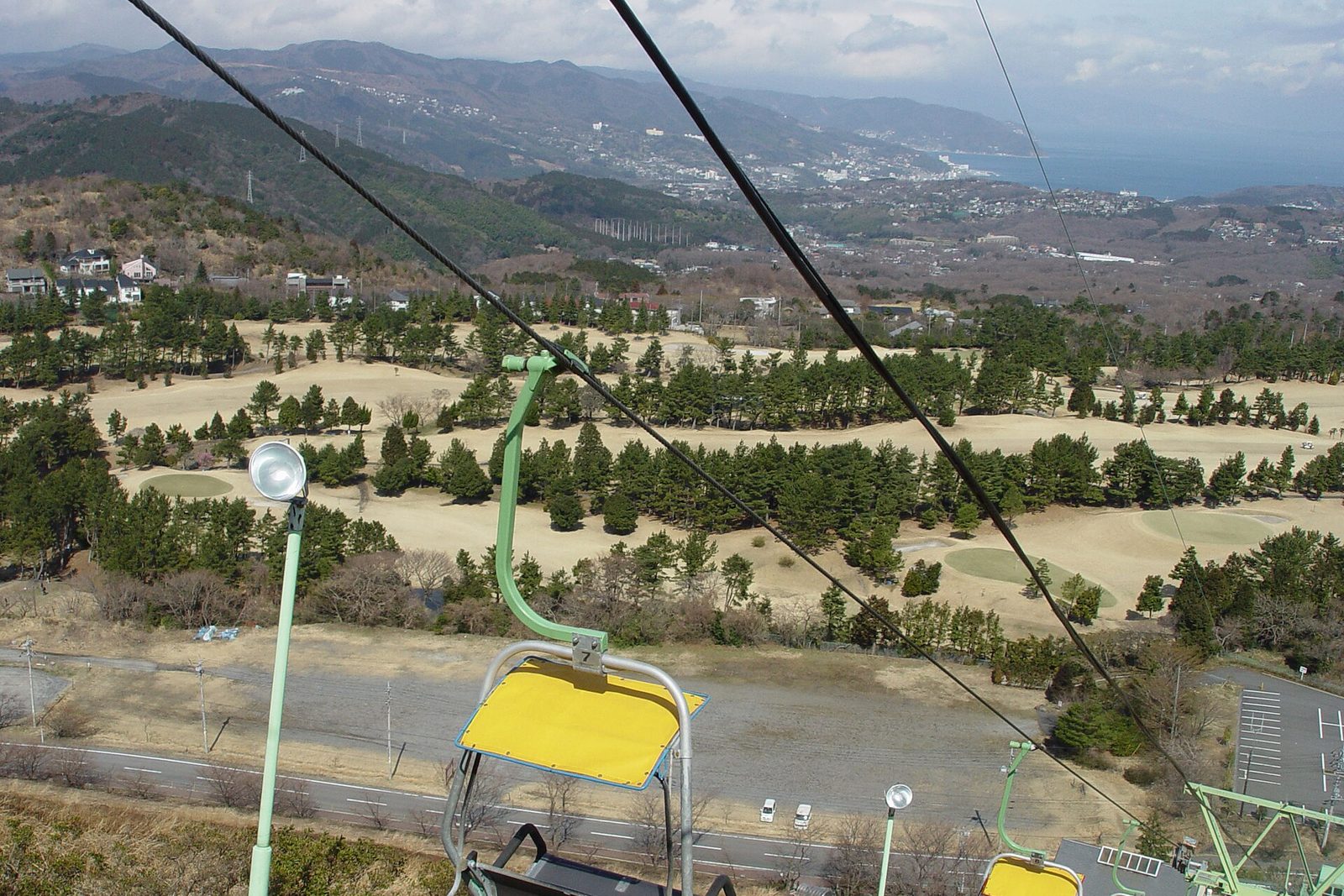
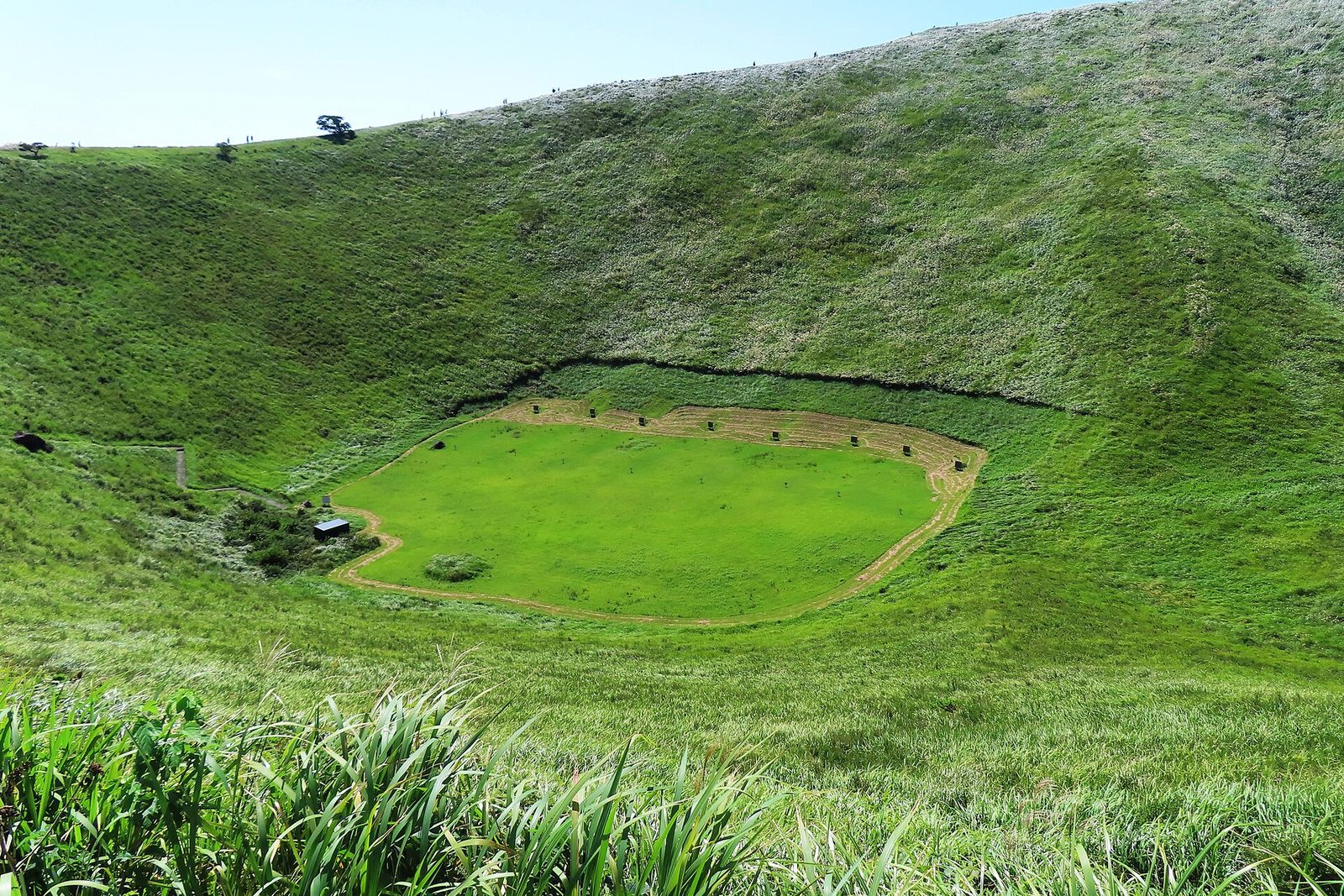
The lift stops in strong wind, lightning or poor visibility, and closes for longer maintenance in June and December (7–18 December in 2026). The bus stop for the way home is right in front of the lift.
Before you go
- Avoid Thursdays — the MOA Museum (open on public holidays) and Boranaya both close on Thursdays. Don't make day 1 a Thursday
- Reserve the train home — weekend Odoriko trains fill up. Unreserved is fine on the shinkansen out, but book a seat for the return
- Dress for walking on day 2 — the coastal path has rocks, roots and slopes: wear trainers. Pack into a small backpack, or send your bag home from the inn by courier
- If it rains — the coast gets slippery and the Omuro lift stops more easily. Swap day 2 for Izu Kogen's museums, or a slow day in Atami
- Check the times — the times here are one example from the Saturday timetable for October 2026. Weekdays, Sundays and seasons change the bus frequencies, so check a route planner the day before
§ — On one page
- Take the 8:57 shinkansen from Tokyo to Atami; back in Tokyo at 17:48 on day 2 (17:18 if you change to a Kodama at Atami).
- Day 1: bus up to the MOA Museum, then walk downhill to the station arcades (lunch), Kinomiya Shrine, Shinsui Park and Sun Beach. Night at a hot-spring inn.
- Day 2: the 9:03 from Atami to Jogasaki-Kaigan. Walk the coast from Boranaya to Kadowaki Bridge and the lighthouse, then a bus to Mt Omuro.
- At Mt Omuro, chairlift to the top and a 1 km walk round the crater. Bus to Ito Station and the Odoriko to Tokyo.
- Transport, entry and lunches come to about ¥18,000 per person plus the inn. Avoid Thursdays, when several places close.
References
- MOA Museum of Art — visitor guide (Japanese)
- Kinomiya Shrine (official, Japanese)
- Atami City Tourism Association (fireworks dates and more, Japanese)
- Ito Tourism Association — Jogasaki Picnical Course (Japanese)
- Boranaya (official, Japanese)
- Mt Omuro chairlift (official)
- Tokai Bus (timetables and fares, Japanese)
- NAVITIME route planner (used to check times and fares, Japanese)
- Geospatial Information Authority of Japan — GSI tiles (map imagery)
Photos are from Wikimedia Commons under licences that permit reuse; the author and licence are credited under each one. Map imagery is from the Geospatial Information Authority of Japan, with roads and rail from OpenStreetMap data (the open sea has been evened out in colour to hide seams between photos taken at different times). Prices and times are as of September 2026 and may change.
Travel Notes No. 2 — Atami in Two Days / 2026.09