Travel Notes / 2026 ・ No.01
Hakone in a Day
Out of Ikebukuro in the morning, back at night: mountains, a lake and a hot spring in one loop
Published
Hakone is about ninety minutes from Tokyo by train, close enough to see its mountains,
lake and hot springs in a single day. Here is the classic loop, leaving Ikebukuro at 7:30
and returning around 20:30, timed down to each train and each stop.
How the loop works
Hakone's sights are best seen by chaining its transport into one loop: train, cable car, ropeway, boat and bus, a route known as the Golden Course. This guide runs it anticlockwise.
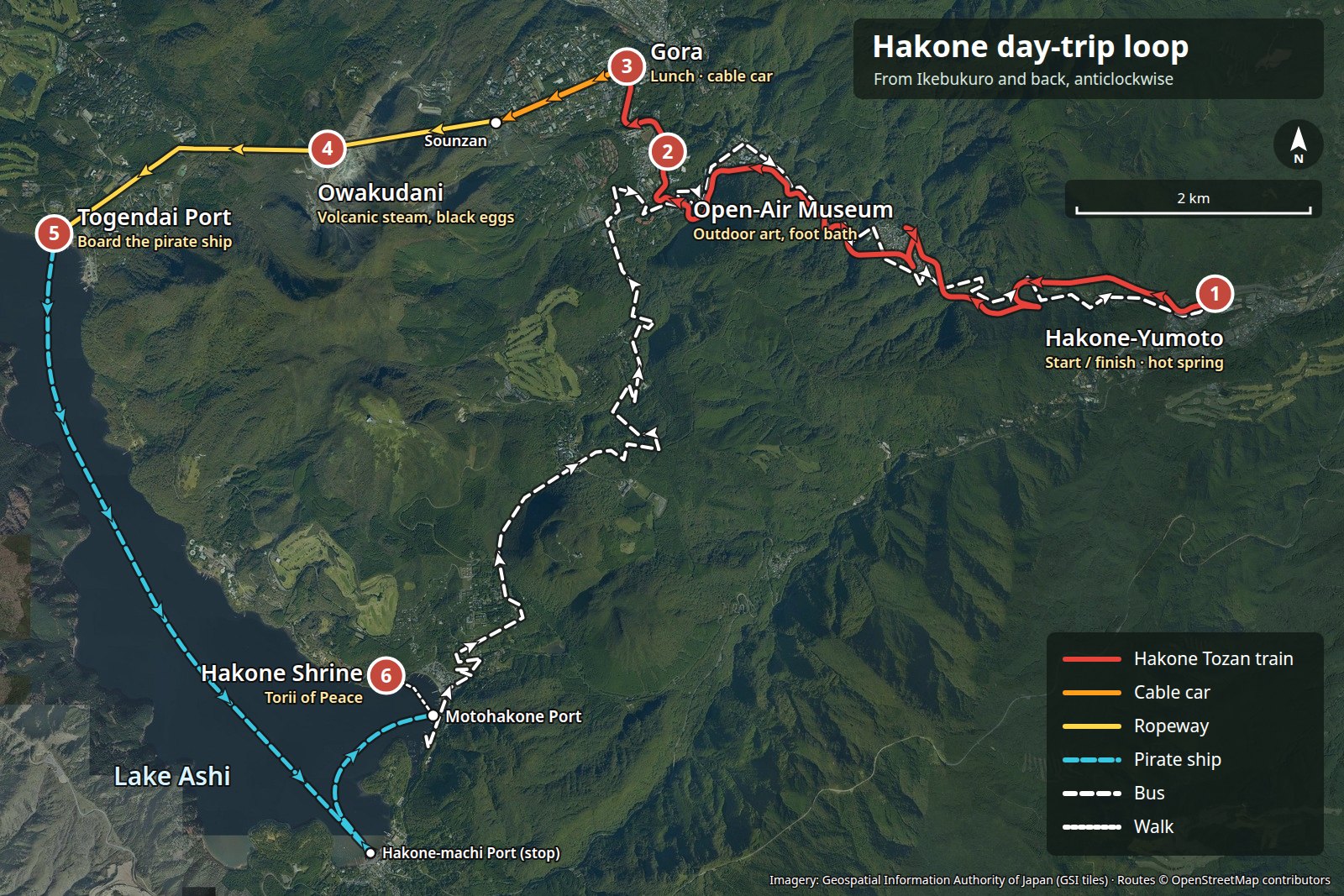
As the map shows, you climb from Hakone-Yumoto on the mountain railway, cross the ridge to Lake Ashi by cable car and ropeway, sail across the lake, and ride a bus back down to Yumoto. Three reasons for going anticlockwise:
- The mountains in the morning — the uphill links get busy from around midday. Reaching Owakudani early makes waiting times more predictable
- A hot spring to finish — after a day on your feet, you soak right next to the station your train home leaves from
- A forgiving last leg — if the final bus hits traffic, the hot-spring time absorbs the delay
The six stops, in map order:
| No. | Stop | In a line |
|---|---|---|
| ① | Hakone-Yumoto | The gateway, and a hot spring on the way back |
| ② | Hakone Open-Air Museum | An outdoor art museum in the hills |
| ③ | Gora | Lunch, then the cable car |
| ④ | Owakudani | A steaming volcanic valley and black eggs |
| ⑤ | Lake Ashi (Togendai Port) | Cross the lake by pirate ship |
| ⑥ | Hakone Shrine | The Torii of Peace in the lake |
The day, hour by hour
Leave Ikebukuro at 7:30 and be back around 20:30. Of those thirteen hours, about six go to sights, lunch and the hot spring, and seven to travel — though the mountain railway, the ropeway and the pirate ship are sights in themselves.
How the day is spent (numbers match the map)
Based on the weekend and holiday timetable; weekday times differ slightly
| Time | Step | Transport & time | Notes |
|---|---|---|---|
| 07:30 | Leave Ikebukuro | JR Yamanote (or Saikyo) Line, ~10 min | Change to the Odakyu Line at Shinjuku; allow 10–15 min |
| 08:00 | Shinjuku → Hakone-Yumoto (09:24) | Romancecar limited express, ~85 min | All seats reserved; book ahead |
| ~09:35 | Hakone-Yumoto → Chokoku-no-Mori (~10:10) | Hakone Tozan Railway, ~35 min | Same-station transfer |
| 10:15 | ② Hakone Open-Air Museum | 90 min | About 2 min on foot from the station |
| 11:50 | Chokoku-no-Mori → Gora | Railway, 1 stop, ~3 min (or ~10 min walk) | |
| 12:00 | ③ Lunch in Gora | 50 min | Restaurants around the station |
| 13:00 | Gora → Sounzan (13:10) | Cable car, ~10 min | |
| 13:15 | Sounzan → Owakudani (13:25) | Ropeway, ~8 min | There may be a queue to change |
| 13:25 | ④ Owakudani | 60 min | Black eggs, viewpoint |
| 14:30 | Owakudani → Togendai (14:50) | Ropeway, ~16 min | Views towards Fuji |
| 15:00 | ⑤ Togendai Port → Motohakone Port (~15:40) | Pirate ship, ~25–40 min | Some sailings call at Hakone-machi |
| 15:40 | ⑥ Hakone Shrine | 60 min | About 10 min on foot from the port |
| ~16:50 | Motohakone Port → Hakone-Yumoto (~17:30) | Bus, ~35–45 min | Evening traffic can delay it |
| 17:40 | ① A hot spring in Yumoto | 50 min | Some are a few minutes' walk from the station |
| 18:45 | Hakone-Yumoto → Shinjuku (20:10) | Romancecar, ~85 min | Book with your outbound seat |
| ~20:30 | Back in Ikebukuro | JR, ~10 min |
Romancecar times are examples from the September 2026 weekend and holiday timetable (08:00 from Shinjuku, 18:45 from Hakone-Yumoto). The railway, cable car, ropeway, pirate ship and buses run frequently, so if you fall behind, simply take the next one. At busy times you may queue, so treat the hot-spring slot as your buffer. For a longer soak, the 19:52 train home is another option.
Tickets and budget
For this loop, Odakyu's Hakone Freepass (from Shinjuku) is the easy choice. It covers the Shinjuku–Odawara round trip plus unlimited rides on the mountain railway, cable car, ropeway, pirate ship and designated buses. Even on a day trip, a full loop costs less than separate tickets.
| Item | Per adult | Notes |
|---|---|---|
| Hakone Freepass (from Shinjuku, 2 days) | ¥7,100 | Use the 2-day pass even for a day trip |
| Romancecar limited express fee | ¥1,200 each way | Not included in the pass |
| JR Ikebukuro ↔ Shinjuku | A few hundred yen return | Use a transit IC card |
| Open-Air Museum | ¥2,000 | ¥1,800 online |
| Lunch | ¥1,500–2,500 | |
| Black eggs | ¥500 | Bag of four |
| Day-use hot spring | About ¥2,000 | Varies by venue and day |
| Rough total | About ¥16,000 | Excluding souvenirs |
Prices as published in September 2026. The Freepass is sold at Odakyu ticket offices and machines, and as a digital ticket on your phone. Some venues give a discount if you show it.
① Hakone-Yumoto and the mountain railway
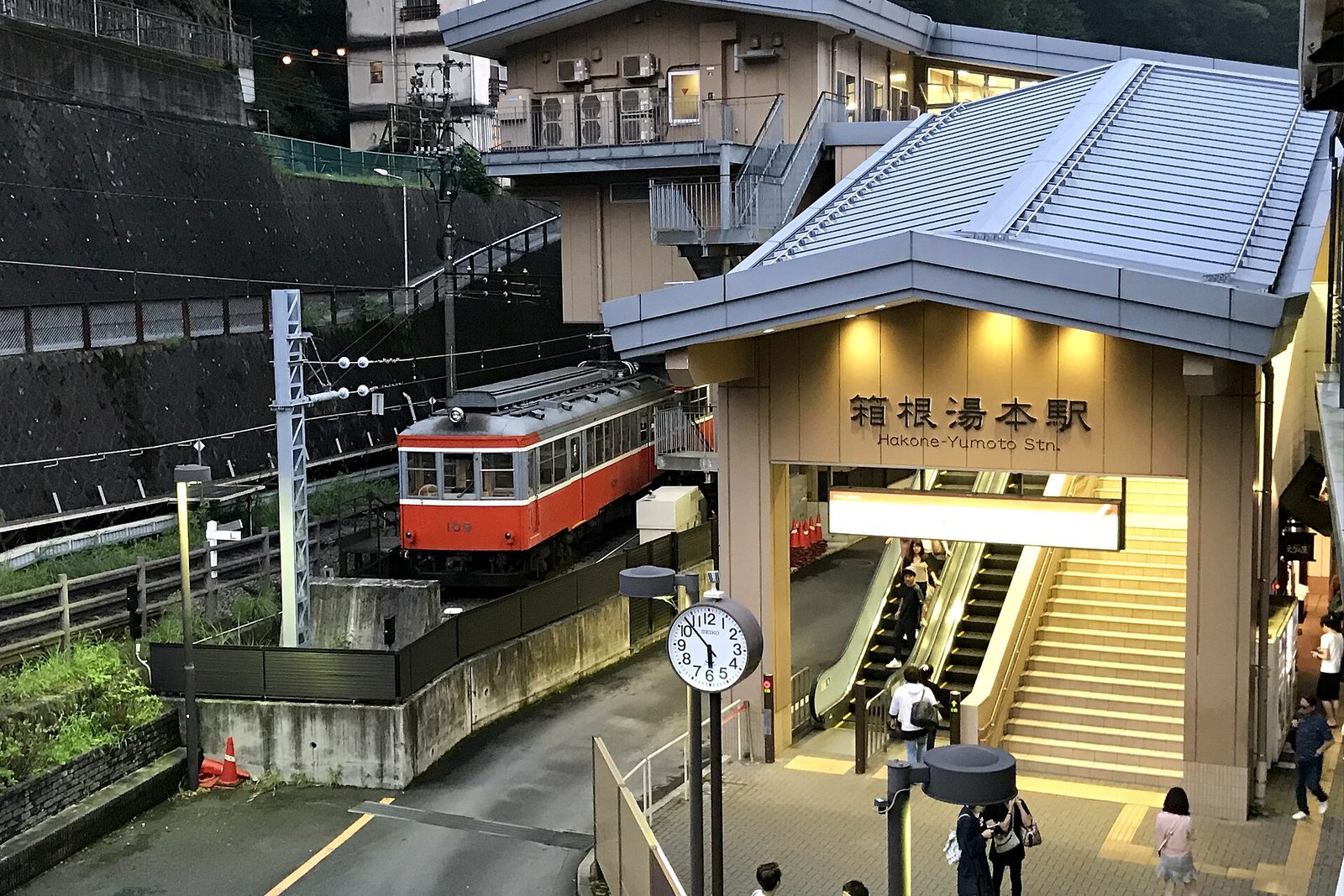
Hakone-Yumoto, where the Romancecar terminates, is the gateway to Hakone. Change here to the red Hakone Tozan Railway. In the morning there is no need to leave the gates: head straight for its platform.
The railway is transport, but it is also the loop's first attraction. To climb the steep mountainside it reverses direction three times at switchbacks, zigzagging its way up.
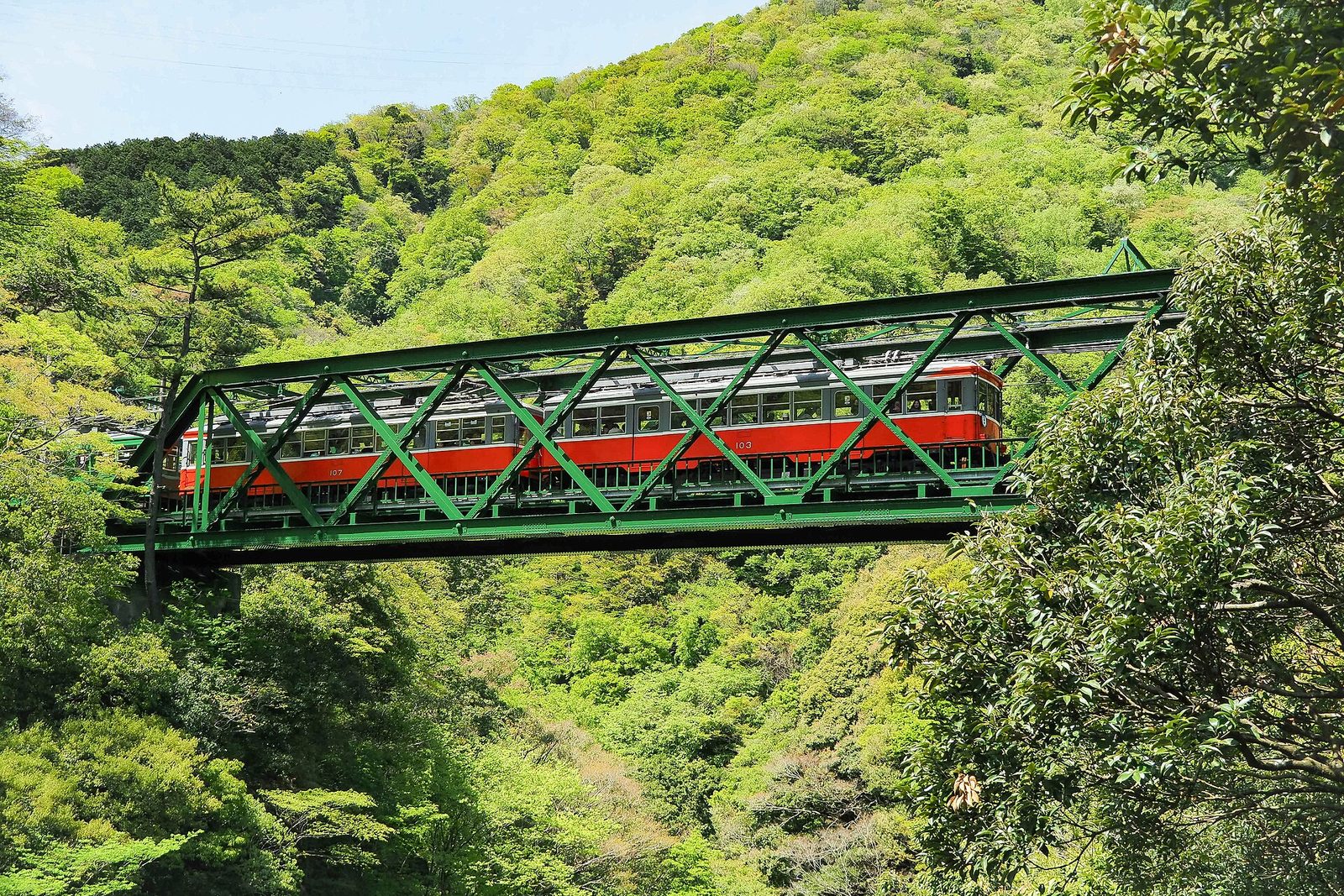
- Bridges over the gorge — between Tonosawa and Ohiradai the train crosses a deep valley, with the Hayakawa gorge straight below the windows
- Switchbacks — the driver and conductor swap ends and the train sets off the other way: a small ritual each time
- Seasonal flowers — from late June into July hydrangeas bloom along the line, earning it the nickname “hydrangea train”
② The Hakone Open-Air Museum
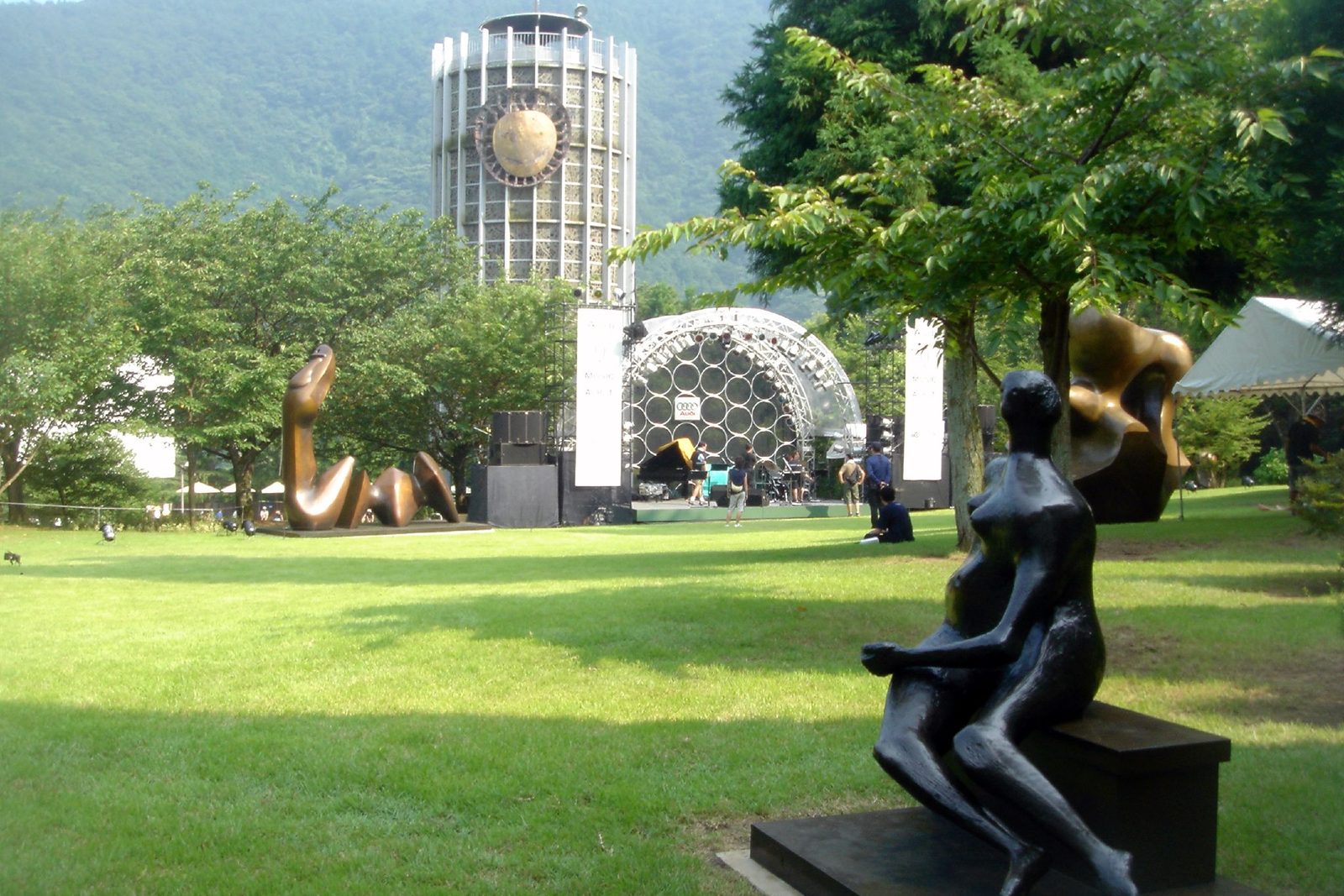
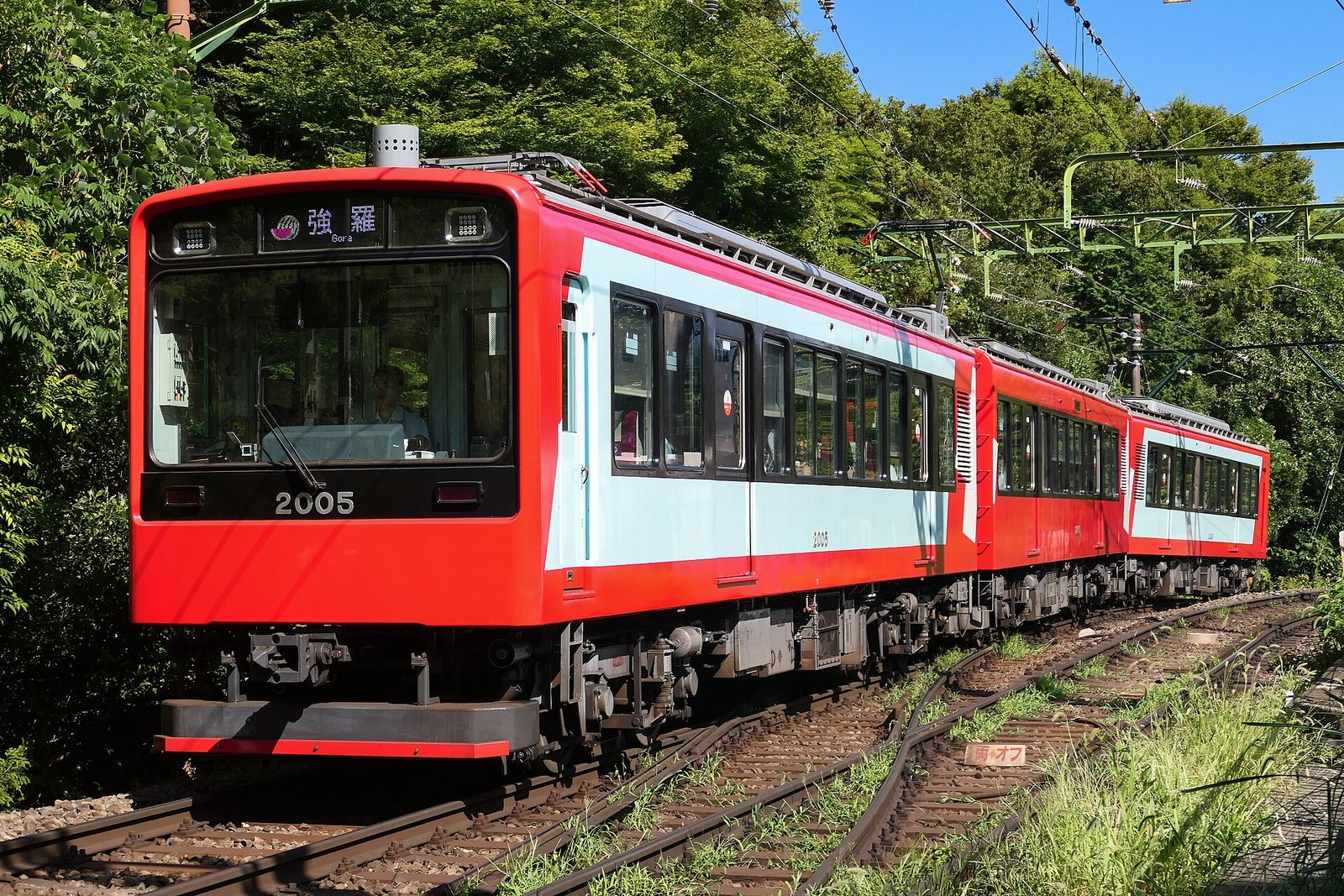
Right by Chokoku-no-Mori Station, sculptures from Japan and around the world are spread across wide lawns in the hills, with a Picasso Pavilion indoors. Open 9:00–17:00, last entry 30 minutes before closing.
No need to feel intimidated by the word “museum”. This is a walk through mountain scenery where you keep bumping into art: works to look up at, pass through, step into and sit on. Many invite touching, so children enjoy it too.
- Symphonic Sculpture — a tower lined with stained glass. Climb the spiral staircase as coloured light fills the walls
- Woods of Net — a hand-knitted net structure children can climb inside, housed in a striking timber dome
- Foot bath — a hot-spring foot bath in the grounds, just right after a morning on your feet
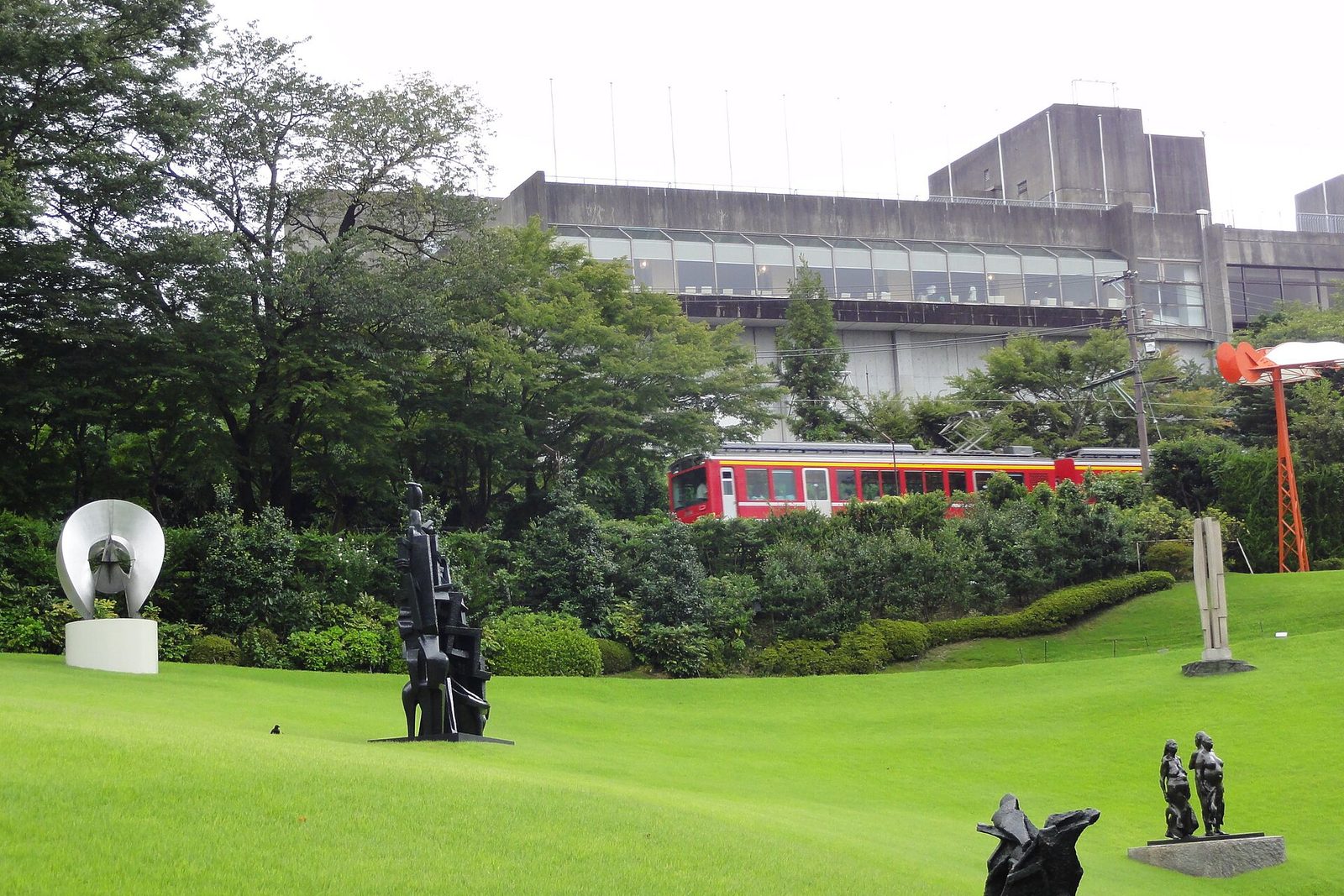
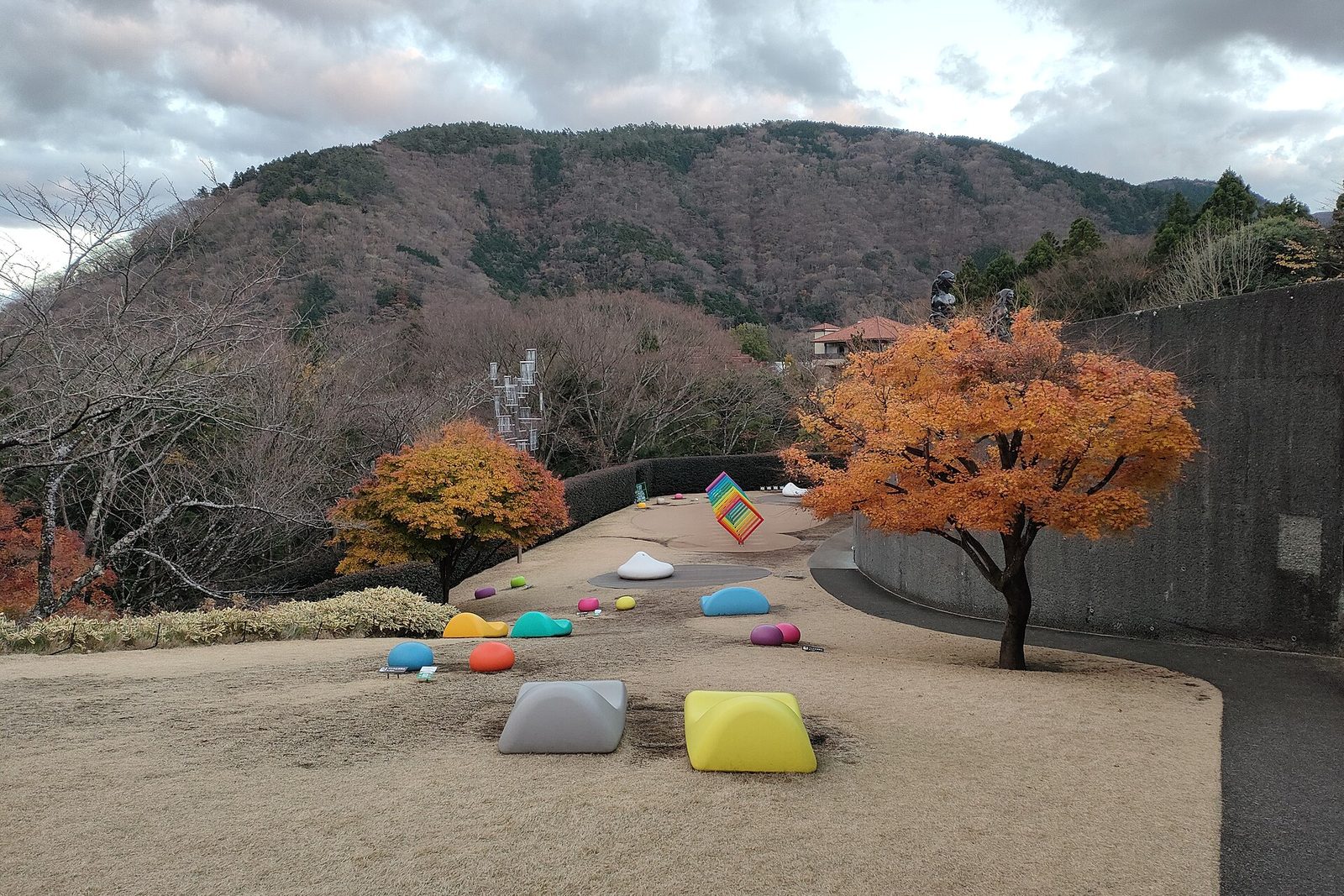
Ninety minutes covers the highlights; allow two hours to see the Picasso Pavilion properly, and make it up later, for example by having lunch at Owakudani instead.
③ Gora to ④ Owakudani
One stop on from the museum is Gora, the end of the railway. Restaurants cluster around the station, so have lunch here, then take the cable car to Sounzan and change to the ropeway for Owakudani.
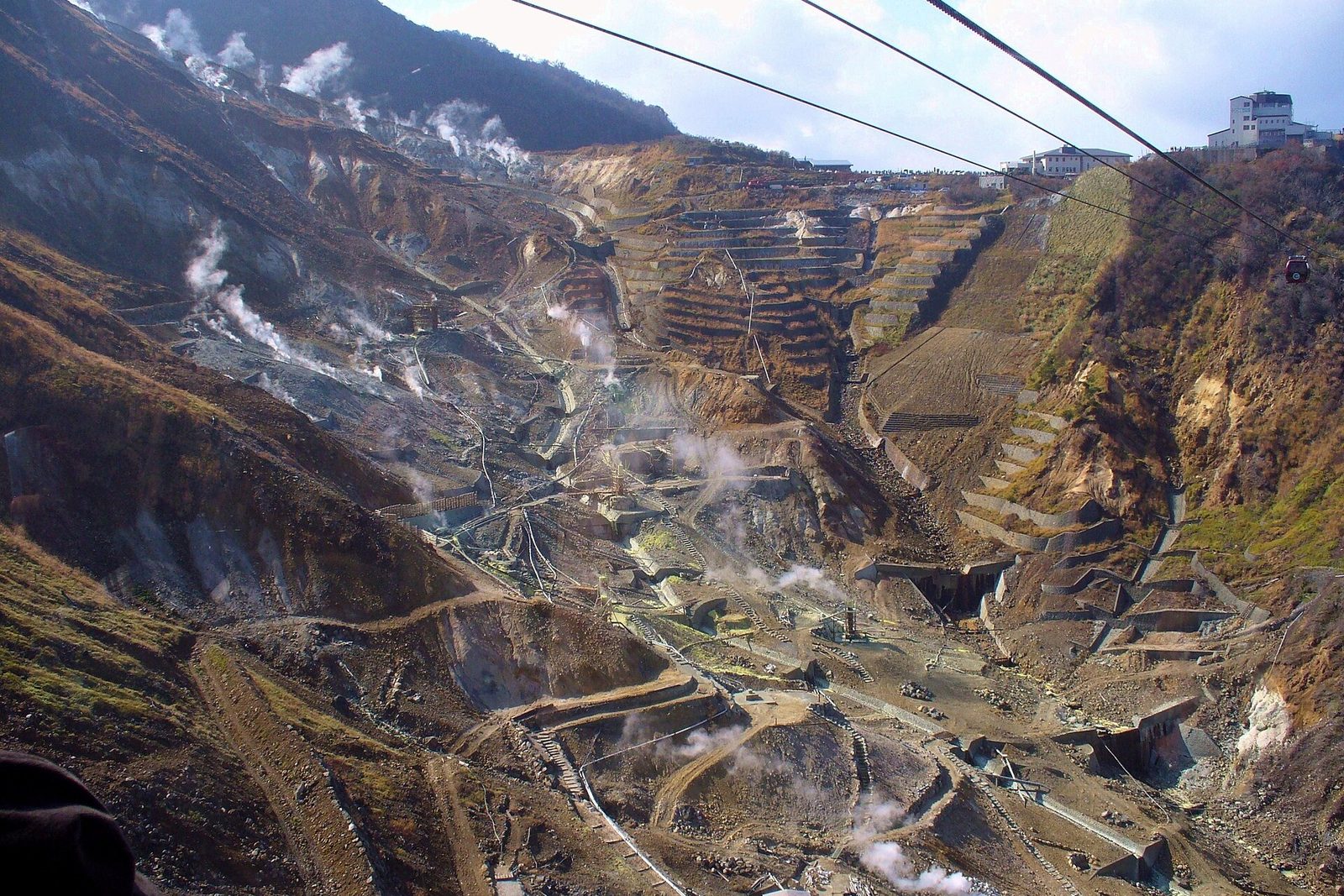
Owakudani is a valley formed by an eruption of Mount Hakone around 3,000 years ago, where you can see a living volcano still venting steam from the ground. The few minutes when the gondola glides right over the valley are the most dramatic of the whole loop.
- The view from the ropeway — soon after leaving Sounzan the steaming valley opens up below; on clear days Mount Fuji is straight ahead
- Black eggs — boiled in a hot spring pool, iron in the water coats the shell and reacts with hydrogen sulphide to turn it black. Eating one is said to add seven years to your life (four for ¥500)
- Viewpoint — the plaza by the station looks over the steaming valley and, on a good day, Mount Fuji
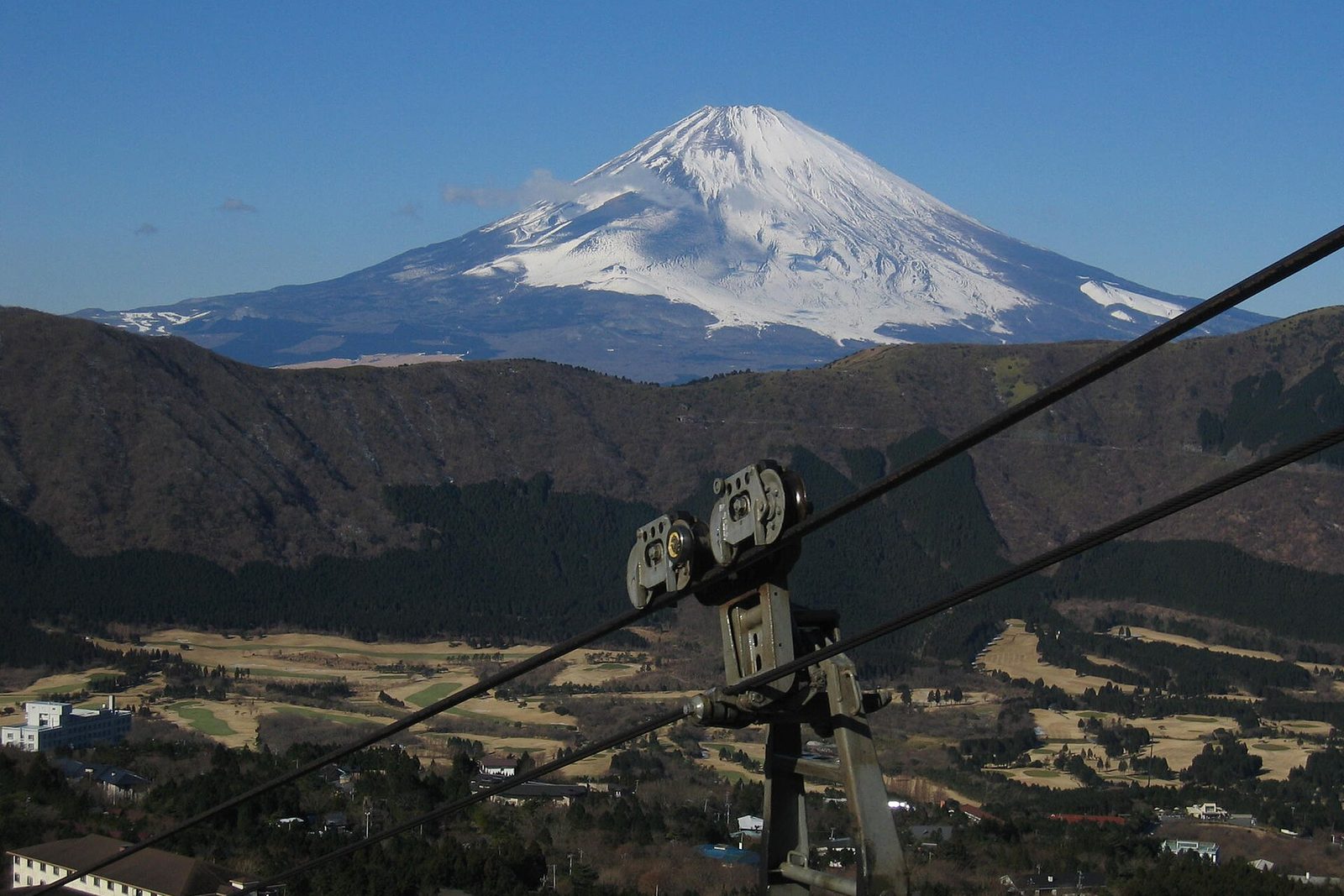
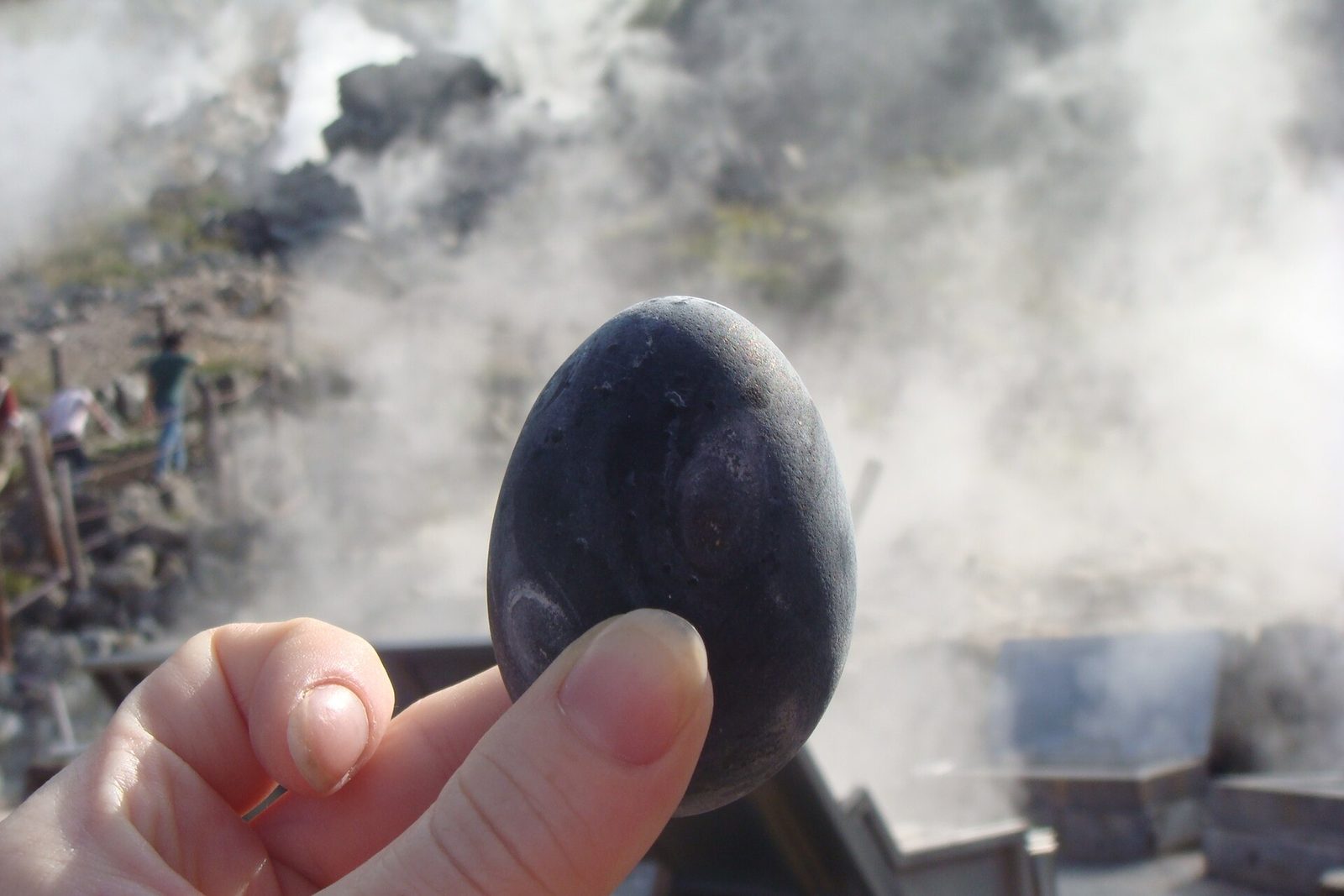
Owakudani emits volcanic gas, and visitors with asthma, bronchial or heart conditions are advised to take care. The Owakudani nature trail, which goes closer to the vents, now runs as reserved guided walks: four a day, about 40 minutes each (¥800 contribution).
⑤ Lake Ashi by pirate ship
The ropeway descends from Owakudani to Togendai at the north end of Lake Ashi. From here the Hakone pirate ship carries you south across the lake.
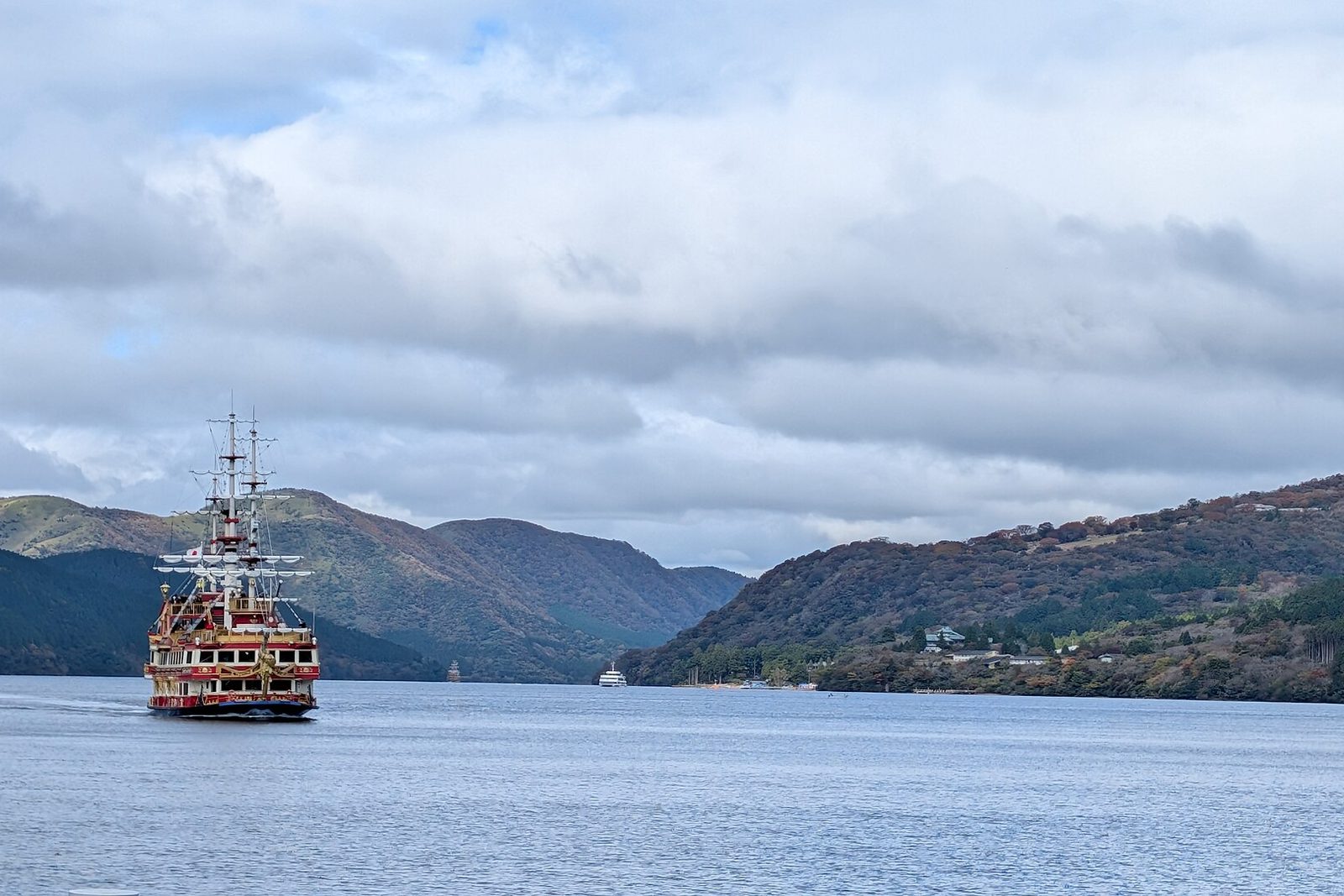
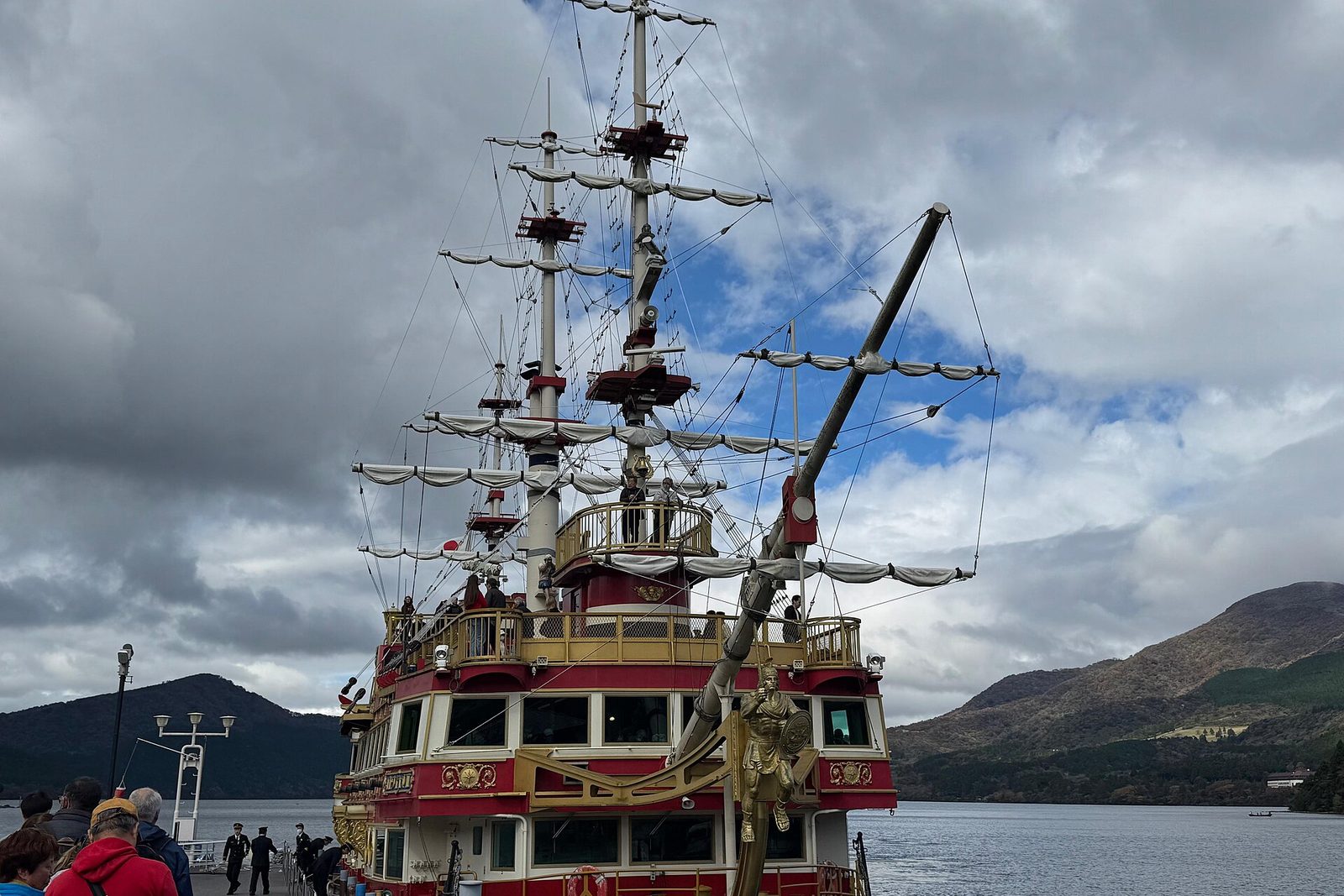
After a morning of climbing, sitting on the lake and watching the scenery is the most relaxing part of the loop. The galleon-style ships are fun in themselves, and from the deck you see the surrounding peaks — and Mount Fuji, if the weather is kind.
- Duration — about 25–40 minutes from Togendai to Motohakone; some sailings call at Hakone-machi first
- Look out for — as you near Motohakone, the vermilion Torii of Peace appears on the shore: your next stop, Hakone Shrine
- Seats — there is a special cabin for an extra fee, but the deck is all you need for the view
⑥ Hakone Shrine
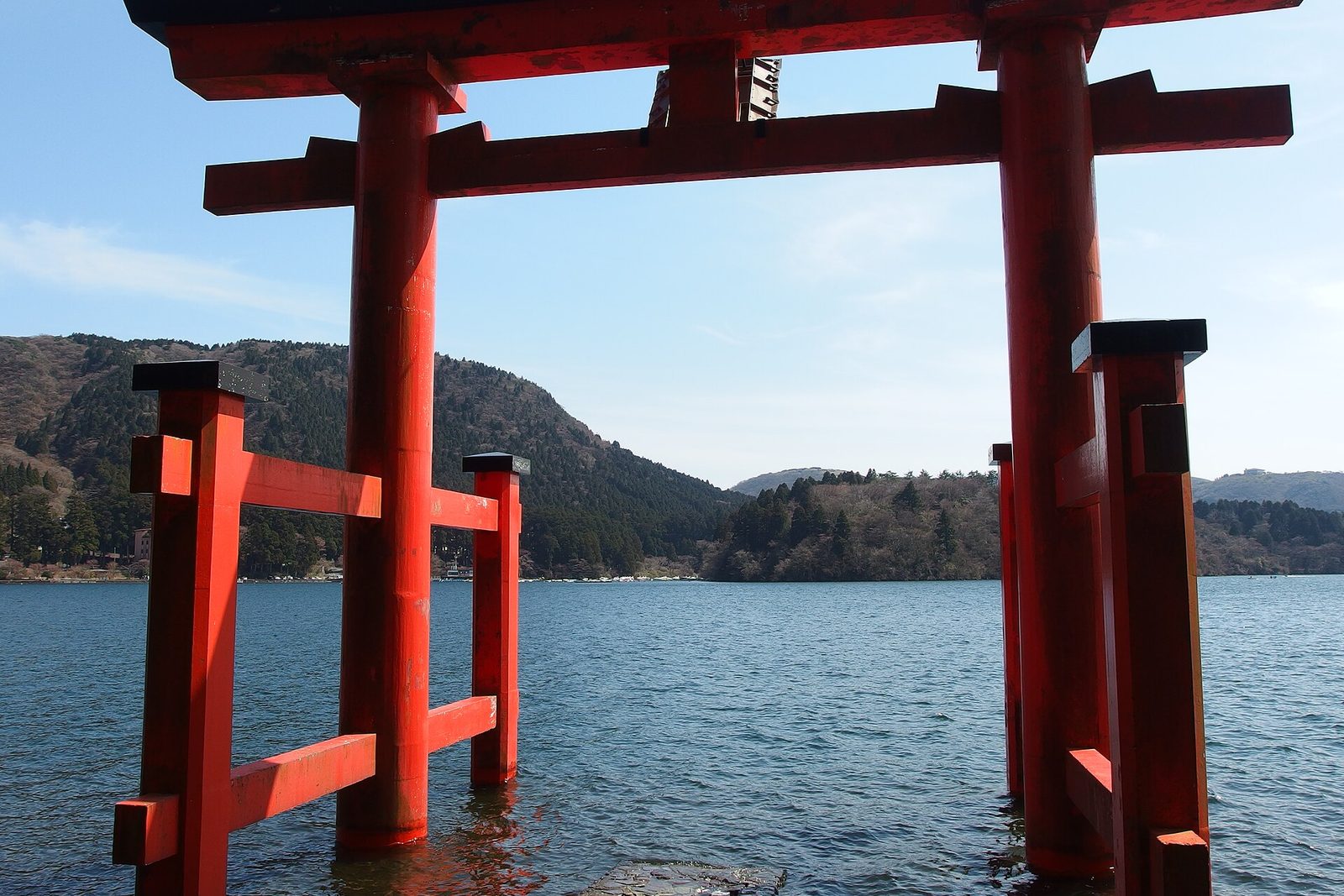
About ten minutes' walk along the lake from Motohakone Port, up an approach lined with towering cedars, stands Hakone Shrine, said to date from the Nara period (8th century).
The Torii of Peace standing in the lake is one of Hakone's most photographed sights. Mountains, lake and shrine come together in one place, a fitting finale to the loop.
- The cedar avenue — the tall trees either side of the steps switch you from lakeside bustle to quiet in a few paces
- The Torii of Peace — there can be a queue to be photographed under it. If it is busy, try framing the torii and lake together from the shore a little way off
- Kuzuryu Shrine (Shingu) — within the grounds, a shrine to Kuzuryu, a deity known for bringing people together
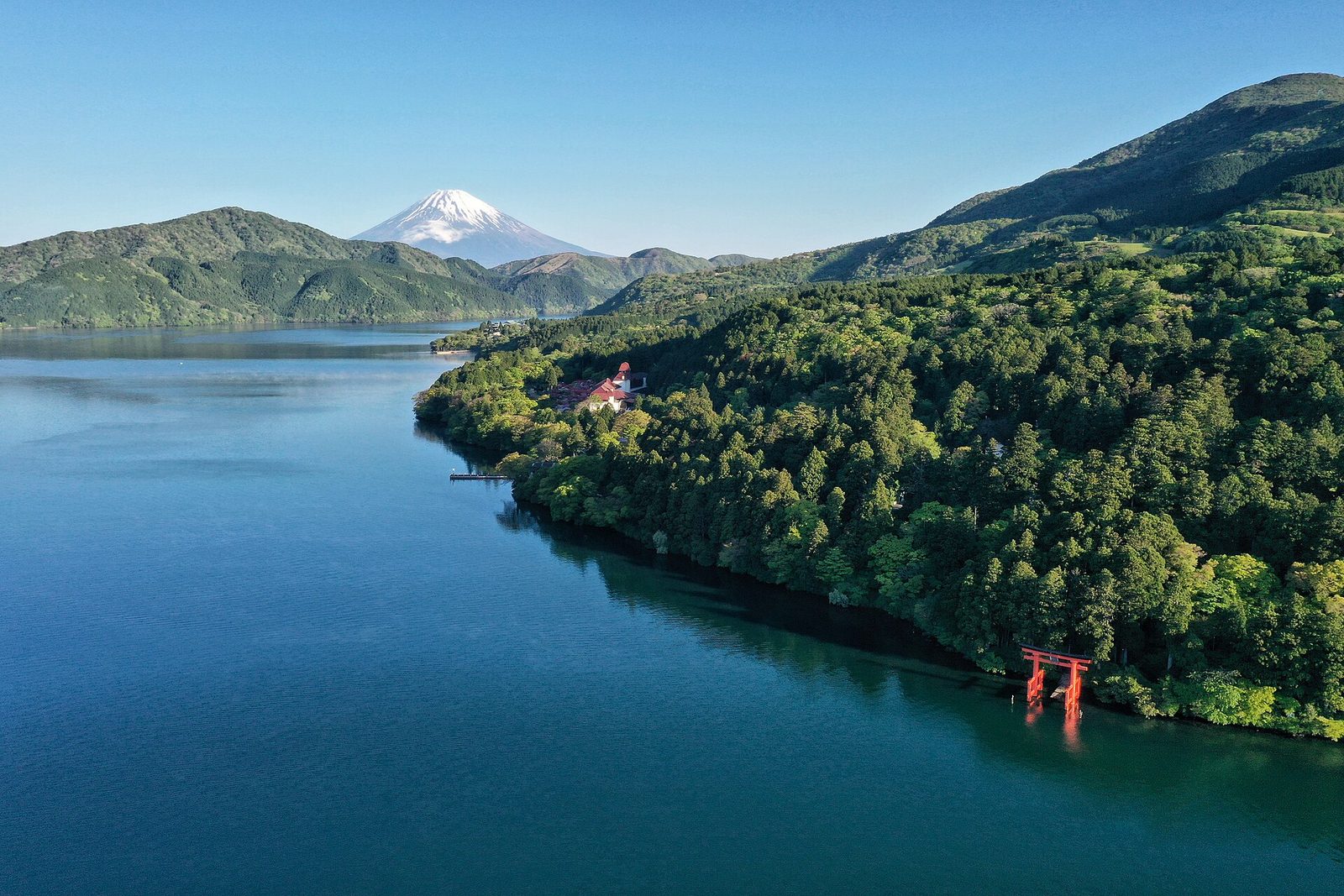
The amulet office and shrine stamps are available 8:15–17:00.
A hot spring, then home
From Motohakone Port a bus takes you back down to Hakone-Yumoto along National Route 1, through hot-spring towns such as Miyanoshita.
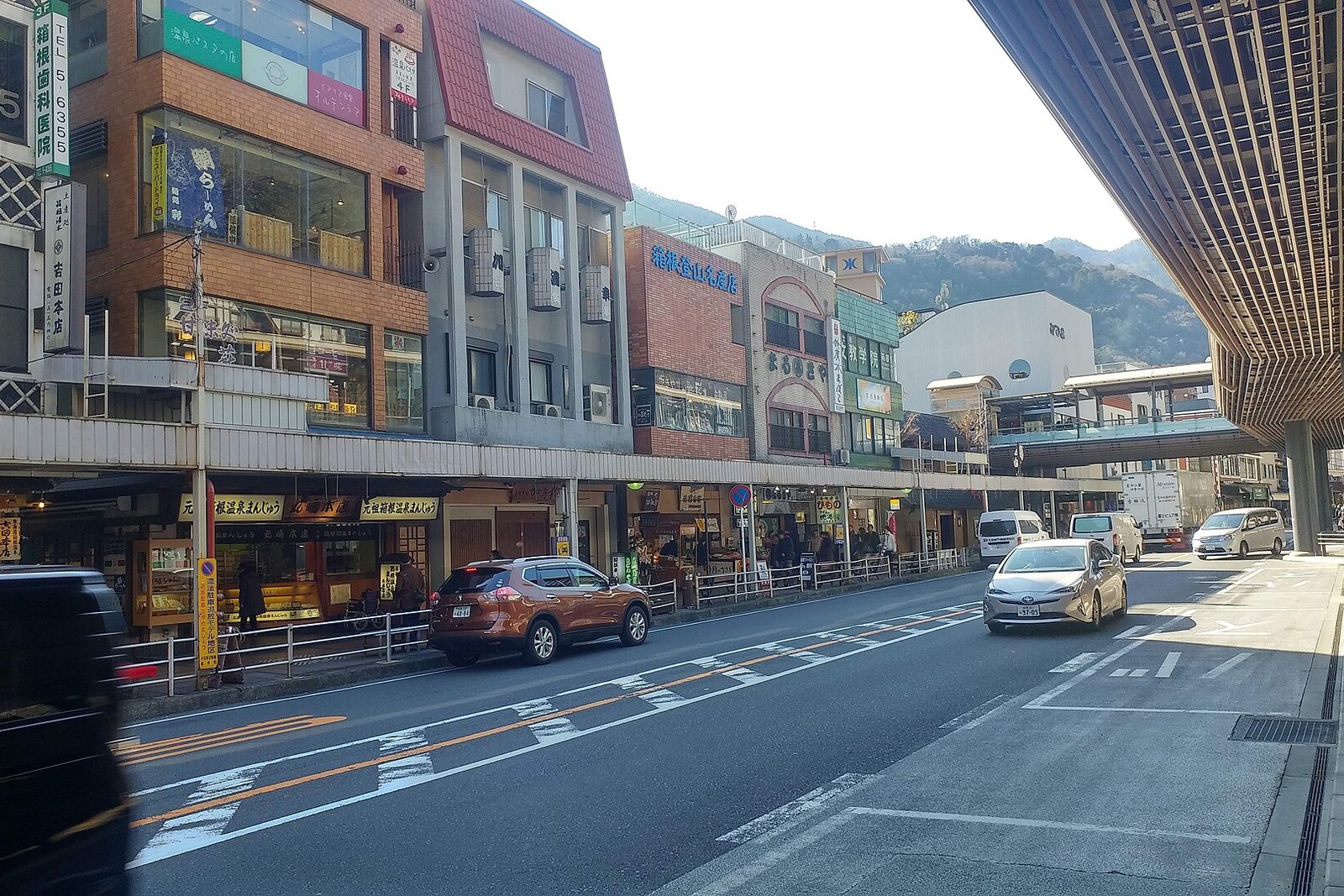
Ending the day in a hot spring is the great luxury of a Hakone day trip. Yumoto has several day-use baths within walking distance of the station, so the time before your train home is well spent.
- Kappa Tengoku — about 3 minutes from the station, a small bath with open-air pools that suits a short visit. Open until 21:00 on weekends and holidays
- Hakone Yuryo — a large bathhouse in the woods. Until 21:00 on weekends and holidays (last entry 20:00); adults ¥2,000 at weekends
- The shopping street — if you skip the bath, browse souvenirs and snacks: fish cakes, steamed buns and dried fish are classics
Bring your own towel to save a little. Book your return Romancecar together with the outbound one so the evening is not a rush.
Before you go
- Check operations that morning — the ropeway and pirate ships can stop for strong wind, bad weather or volcanic gas. Check the official Hakone Navi site in the morning and use replacement buses for any closed section
- Leave slack in busy seasons — in the November foliage season and long holidays, queues form at the ropeway and the ships, and evening buses get stuck in traffic. Plan on taking a later train home
- Weekdays are easier — times shift a little, but the route is the same and the queues far shorter
- Clothing — Owakudani (about 1,000 m up) and the lake are cooler and windier than Yumoto. Bring a layer
- Luggage — with so many changes, leave large bags in coin lockers at Shinjuku or Hakone-Yumoto
- Starting later — if you leave around 9:00, drop either the museum or the hot spring and the same loop still works
§ — On one page
- Leave Ikebukuro at 7:30 and take the 8:00 Romancecar from Shinjuku; back in Ikebukuro around 20:30.
- From Hakone-Yumoto, go anticlockwise: railway → cable car → ropeway → pirate ship → bus.
- Stops: the Open-Air Museum, lunch in Gora, Owakudani, Lake Ashi, Hakone Shrine, a hot spring in Yumoto.
- Tickets: Hakone Freepass (from Shinjuku) plus Romancecar fees. Budget about ¥16,000 per person.
- The ropeway and ships can stop in bad weather. Check that morning, and keep the hot-spring slot as your buffer.
References
- Odakyu — Hakone Freepass prices (Japanese)
- Odakyu — Romancecar (Japanese)
- Hakone Navi — service status (Japanese)
- Hakone Open-Air Museum — visitor information (Japanese)
- Owakudani Kurotamago-kan (official, Japanese)
- Hakone Navi — Hakone Sightseeing Cruise (Japanese)
- Hakone Shrine (official, Japanese)
- Hakone Navi — Kappa Tengoku (Japanese)
- Hakone Yuryo — prices and hours (Japanese)
- Geospatial Information Authority of Japan — GSI tiles (map imagery)
Photos are from Wikimedia Commons under licences that permit reuse; the author and licence are credited under each one. Map imagery is from the Geospatial Information Authority of Japan, with route shapes from OpenStreetMap data. Prices and times are as of September 2026 and may change.
Travel Notes No. 1 — Hakone in a Day / 2026.09