Food Notes / 2026 ・ No.01
Japanese ramen, north to south
Its history, and 15 regional bowls on the map
Published
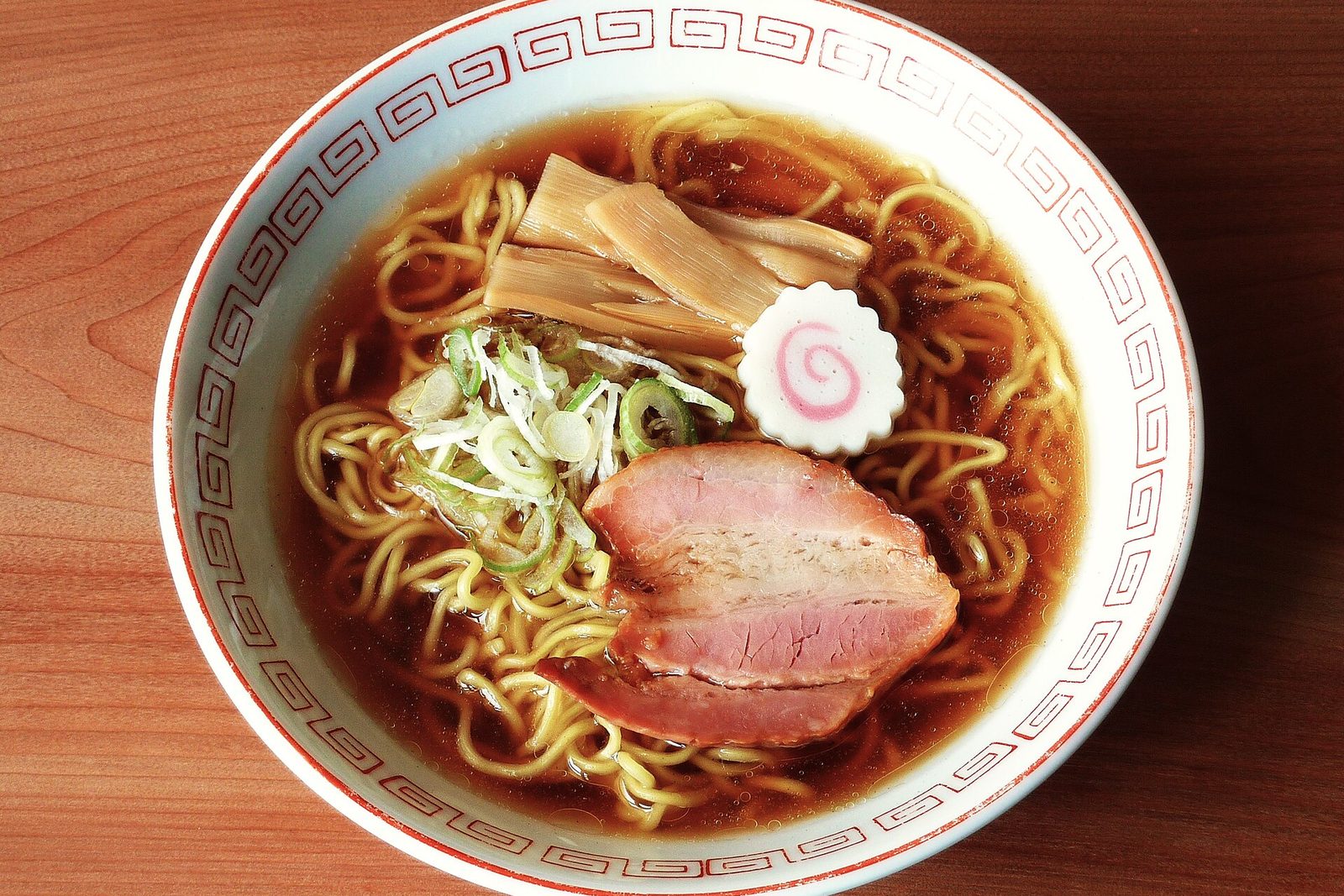
Look past the steam and you can see how people live in each place. That is ramen.
How did a bowl of noodles from China become a taste the whole of Japan loves? We start with the history,
then travel the map from Asahikawa in the far north down to Kagoshima, stopping at 15 regional styles along the way.
By the end, you will probably be planning which bowl to eat on your next trip.
How to read this
The first half is history; the second half is a regional ramen crawl. The history chapters follow, with a timeline, how Chinese noodles reached Japan and turned into something Japanese under names like shina soba and chuka soba.
In the second half, 15 regional styles sit on a map of Japan and we visit them from north to south. Click or tap a number on the map to jump to that bowl. The colours show the soup style: shoyu (soy sauce), tonkotsu-shoyu, miso, shio (salt) and tonkotsu (pork bone).
Each region's description is a rough guide to the style you will see most often there. Every shop in a town does its own thing, and that is half the fun. The photos come from Wikimedia Commons under licences that allow reuse; the photographer and licence are under each one.
Where ramen came from
Ramen's roots are in China. Japan's records of Chinese noodles go back a long way: in 1488, a monk at a Zen temple in Kyoto wrote in his diary about serving guests keitaimen, Chinese noodles made with alkaline water (kansui). There is also a story that Tokugawa Mitsukuni, the lord of Mito, ate Chinese-style noodles in the 1600s, but nobody knows what they were like.
The real start came when Japan opened its ports at the end of the Edo period. Yokohama, Nagasaki, Hakodate and Kobe got foreign settlements, Chinese communities grew up inside them, and Chinese cooking came too. In 1884, a Hakodate newspaper ran an advert for “Nanking soba”, the earliest record of the name of this kind of noodle in Japan.
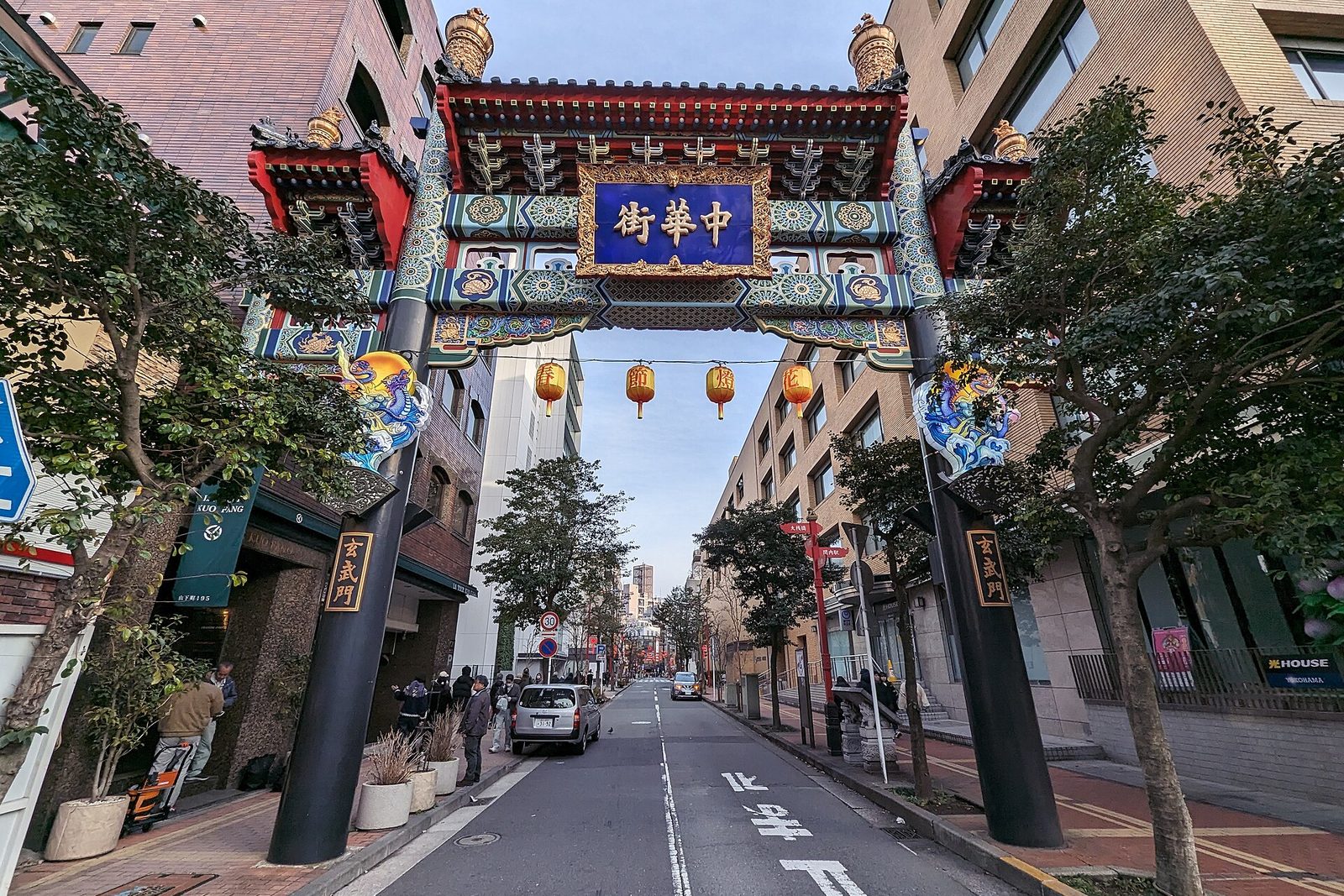
When the foreign settlements were abolished in 1899, Chinese cooks began selling their food to Japanese customers, and little by little Chinese noodles became part of Japanese street food.
Becoming Japanese
A timeline of ramen in Japan
Based on the farm ministry magazine aff, an interview with the Ramen Museum and other sources
1910: Rairaiken in Asakusa
The turning point came in 1910, when Rairaiken opened in Asakusa, Tokyo. Noodles in a soy-flavoured broth with chashu pork, bamboo shoots and spring onion: it is credited with creating the template for Tokyo ramen. Back then the dish was called shina soba; later it became chuka soba, “Chinese noodles”.
The word “ramen”, and an earthquake
The name “ramen” is said to have appeared in 1922 at Takeya Shokudo in Sapporo, though accounts differ. The following year, the 1923 Great Kanto Earthquake destroyed many Tokyo shops, and cooks who lost their jobs spread out across Japan, taking ramen with them. Those cooks are often described as the seeds of regional ramen.
Tonkotsu in Kyushu, stalls after the war
In Kyushu, tonkotsu ramen began in 1937 at a stall called Nankin Senryo in Kurume, Fukuoka. In 1947, another Kurume stall, Sankyu, produced the first milky white pork-bone broth. After the war, ramen boomed at black markets and street stalls in the ruins, and dedicated ramen shops followed. Miso ramen was born in Sapporo in the 1950s.
Instant noodles, then the age of regional ramen
Nissin's Chicken Ramen went on sale in 1958 and made the word “ramen” familiar across the country; Cup Noodle followed in 1971. In the 1980s, Kitakata in Fukushima began promoting itself as a ramen town, and in 1994 the Shin-Yokohama Ramen Museum opened. Asahikawa, Wakayama, Tokushima and other local styles became famous one after another. Then in 2015, Tsuta in Sugamo, Tokyo became the first ramen shop anywhere to earn a Michelin star. A dish born at street stalls had won the world's recognition.
Inside a bowl
Before tasting the regional differences, let's look at what goes into a bowl. Ramen is built from five parts.
The five parts of a bowl of ramen
The basic method: put the tare in the bottom of the bowl, then pour in the hot broth
Names like “shoyu ramen” and “tonkotsu ramen” actually mix two different things. Shoyu, miso and shio name the tare (the seasoning); tonkotsu names the broth. That is why combined names like “tonkotsu-shoyu” exist.
| Style | What it tastes like | Where to find it |
|---|---|---|
| Shoyu | Savoury and clean; the oldest style | Tokyo, Asahikawa, Kitakata, Shirakawa, Onomichi, Toyama |
| Miso | Rich and warming; great with stir-fried vegetables | Sapporo |
| Shio | A clear broth that lets the stock speak | Hakodate |
| Tonkotsu | Pork bones boiled hard into a milky, creamy broth | Hakata, Kurume, Kumamoto, Kagoshima |
| Tonkotsu-shoyu | Pork richness with the aroma of soy; made for rice | Yokohama iekei, Wakayama, Tokushima |
The regional ramen map
Now for the eating. Here are the 15 bowls on one map, from Hokkaido down to Kyushu. The three often called Japan's big three are Sapporo (miso), Kitakata (shoyu) and Hakata (tonkotsu).
15 regional styles (click a number to jump to it)
Map based on the Geospatial Information Authority of Japan's Global Map Japan. Pins mark each region's main city
| No. | Ramen | Broth and tare | Noodles | Look out for |
|---|---|---|---|---|
| 1 | Asahikawa (Hokkaido) | Shoyu; pork and chicken stock with lard | Medium-thin, curly | A layer of fat keeps it hot |
| 2 | Sapporo (Hokkaido) | Miso | Medium-thick, curly | Stir-fried veg, corn or butter |
| 3 | Hakodate (Hokkaido) | Shio; clear broth | Straight | A see-through broth |
| 4 | Kitakata (Fukushima) | Shoyu; pork and dried sardines | Thick, flat and curly | Breakfast ramen; niku soba piled with pork |
| 5 | Shirakawa (Fukushima) | Shoyu; chicken, pork, sardines | Hand-cut, flat, curly | Red-edged chashu |
| 6 | Tokyo | Shoyu; chicken and fish stock | Thin, curly | Classic chuka soba with naruto |
| 7 | Yokohama iekei (Kanagawa) | Tonkotsu-shoyu with chicken fat | Thick and chewy | Choose firmness, strength, oil; add rice |
| 8 | Toyama Black | Jet-black, strong shoyu | Varies by shop | Chunky spring onion, salty bamboo shoots |
| 9 | Wakayama | Tonkotsu-shoyu | Thin, straight | Hayazushi and eggs on the table |
| 10 | Tokushima | The brown tonkotsu-shoyu | Medium-thin, straight | Sweet pork belly, raw egg, rice |
| 11 | Onomichi (Hiroshima) | Shoyu; chicken and small Seto Inland Sea fish | Flat, medium-thin | Minced back fat |
| 12 | Hakata (Fukuoka) | Milky tonkotsu | Very thin, straight | Noodle firmness and refills (kaedama) |
| 13 | Kurume (Fukuoka) | Tonkotsu, often very rich | Slightly thicker | Where tonkotsu began |
| 14 | Kumamoto | Tonkotsu with chicken | Medium-thick | Black garlic oil and fried garlic |
| 15 | Kagoshima | Tonkotsu with chicken | Medium-thick, straight | Black pork chashu, pickles |
Hokkaido: Asahikawa, Sapporo, Hakodate
Hokkaido winters can drop below minus 20°C. Three cities found their own ways to beat the cold, and Asahikawa, Sapporo and Hakodate are sometimes called Hokkaido's big three.
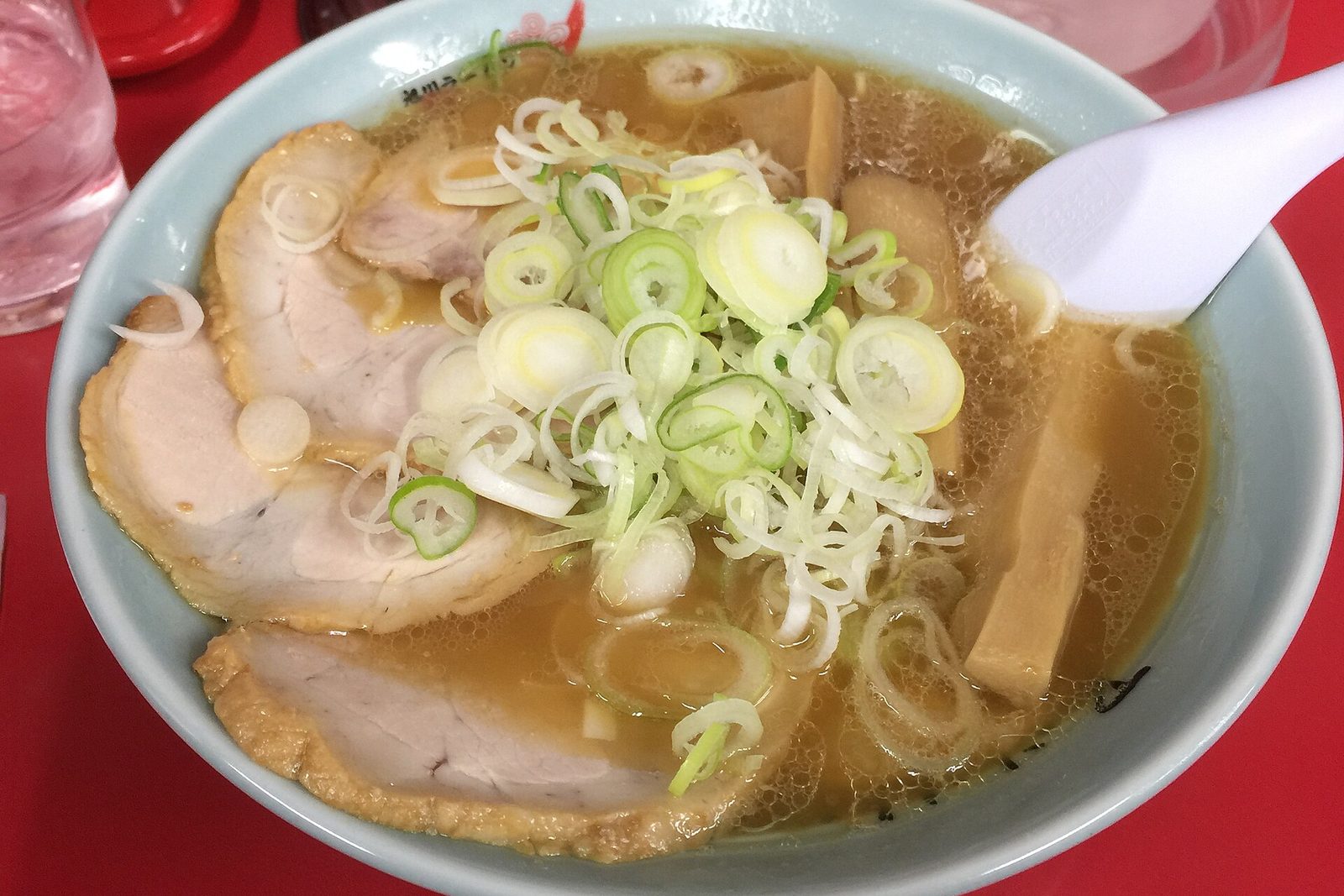
1. Asahikawa: a lid of lard
Asahikawa ramen is shoyu. The broth combines pork bones with chicken and vegetables, and a layer of lard covers the surface. In a city where winter nights approach minus 30°C, it keeps the soup hot to the last spoonful; plenty of local pig farming is another reason for the pork and lard. With medium-thin curly noodles that hold the broth, it is a bowl to slurp while blowing on every mouthful.
2. Sapporo: where miso ramen began
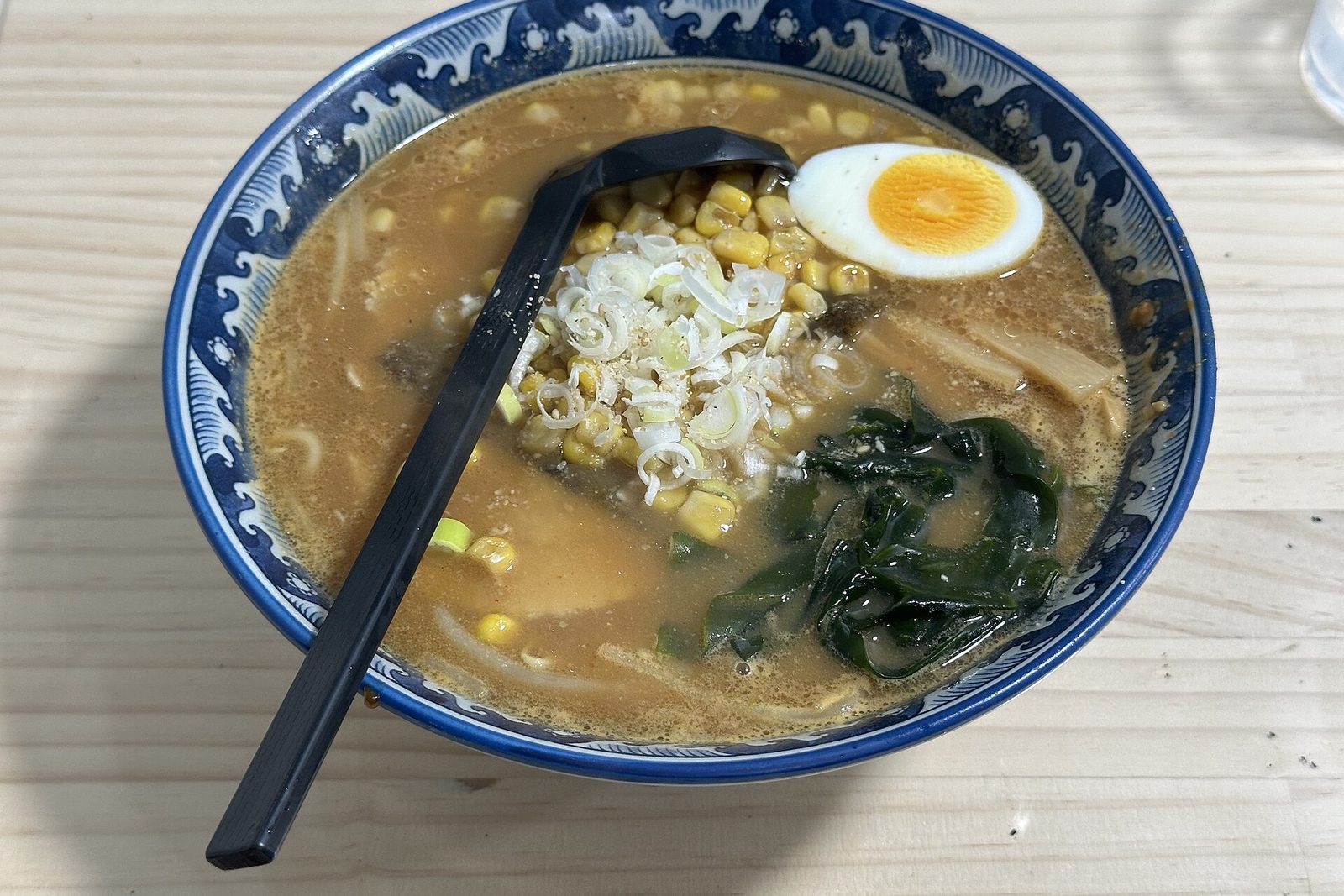
Sapporo ramen is said to have its roots in the post-war stalls of Nijo Market. In the 1950s, the owner of a shop called Aji no Sanpei came up with miso ramen, and it became the city's signature. Bean sprouts and onion are stir-fried in a wok and brought together with the broth, and medium-thick curly noodles developed for miso stand up to it. Add sweetcorn and butter and you are firmly in Hokkaido. Hopping between the shops of Ganso Sapporo Ramen Yokocho, an alley in Susukino, is part of the fun.
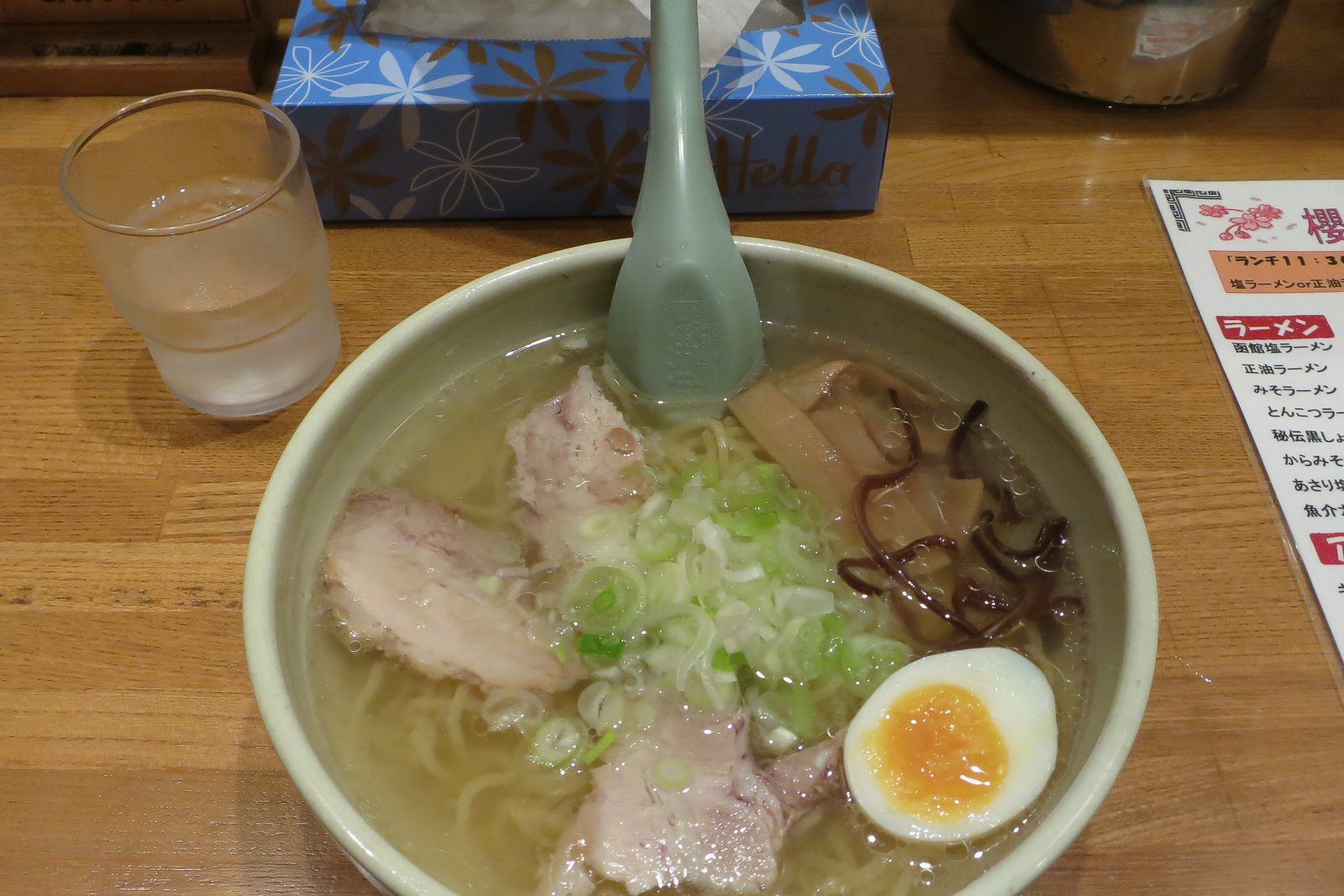
3. Hakodate: a clear, salty broth by the sea
Hakodate is a port city, and one theory says it is where ramen was first eaten in Japan. The local bowl is shio: a crystal-clear broth from pork bones, chicken and kombu that is light yet deep, with straight noodles that slip down easily. It is the perfect break between the morning market and the night view.
Tohoku: Kitakata, Shirakawa
4. Kitakata: the town that eats ramen for breakfast
Kitakata, in the Aizu area of Fukushima, has around 90 ramen shops for roughly 50,000 people, which makes it one of Japan's great ramen towns. The story goes that in the 1920s, a young man from China pushed a stall through the streets selling shina soba.
The broth is a light shoyu made with pork bones and dried sardines. The star is the noodle: thick, flat and curly, made with extra water and rested before use, wonderfully springy. Niku soba, its surface paved with chashu, is a local favourite. Kitakata also has a culture of asa-ra, ramen for breakfast, so why not start your day with a bowl?
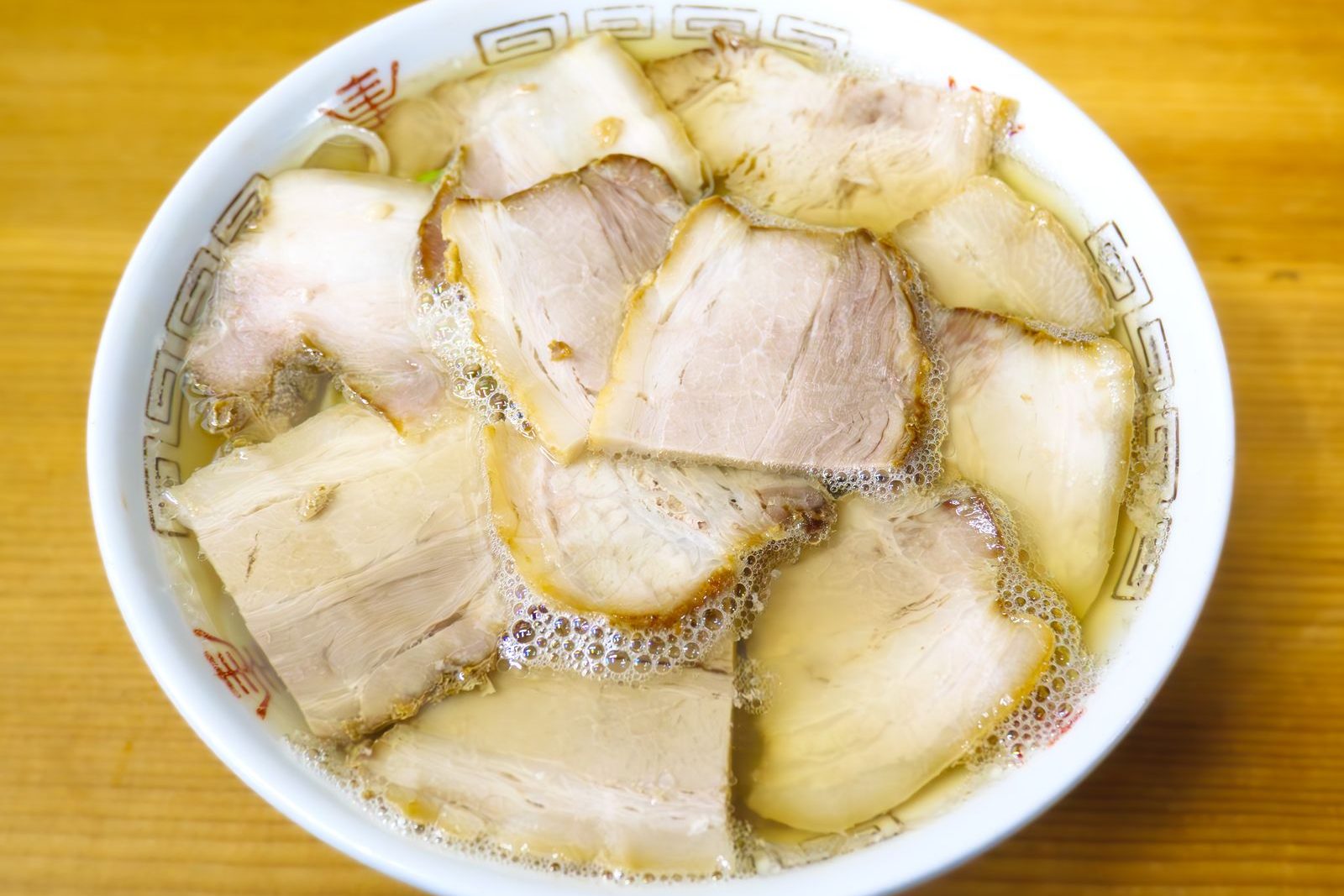
5. Shirakawa: hand-cut noodles and red-edged pork
Splitting Fukushima's affections with Kitakata is Shirakawa, at the southern gateway to the prefecture. It is said to have about 100 ramen shops, and the pioneering Tora Shokudo set the style. A shoyu broth of chicken, pork and dried sardines, hand-cut, flat curly noodles, and the trademark red-edged chashu, grilled over charcoal and then braised.
Tokyo and Yokohama
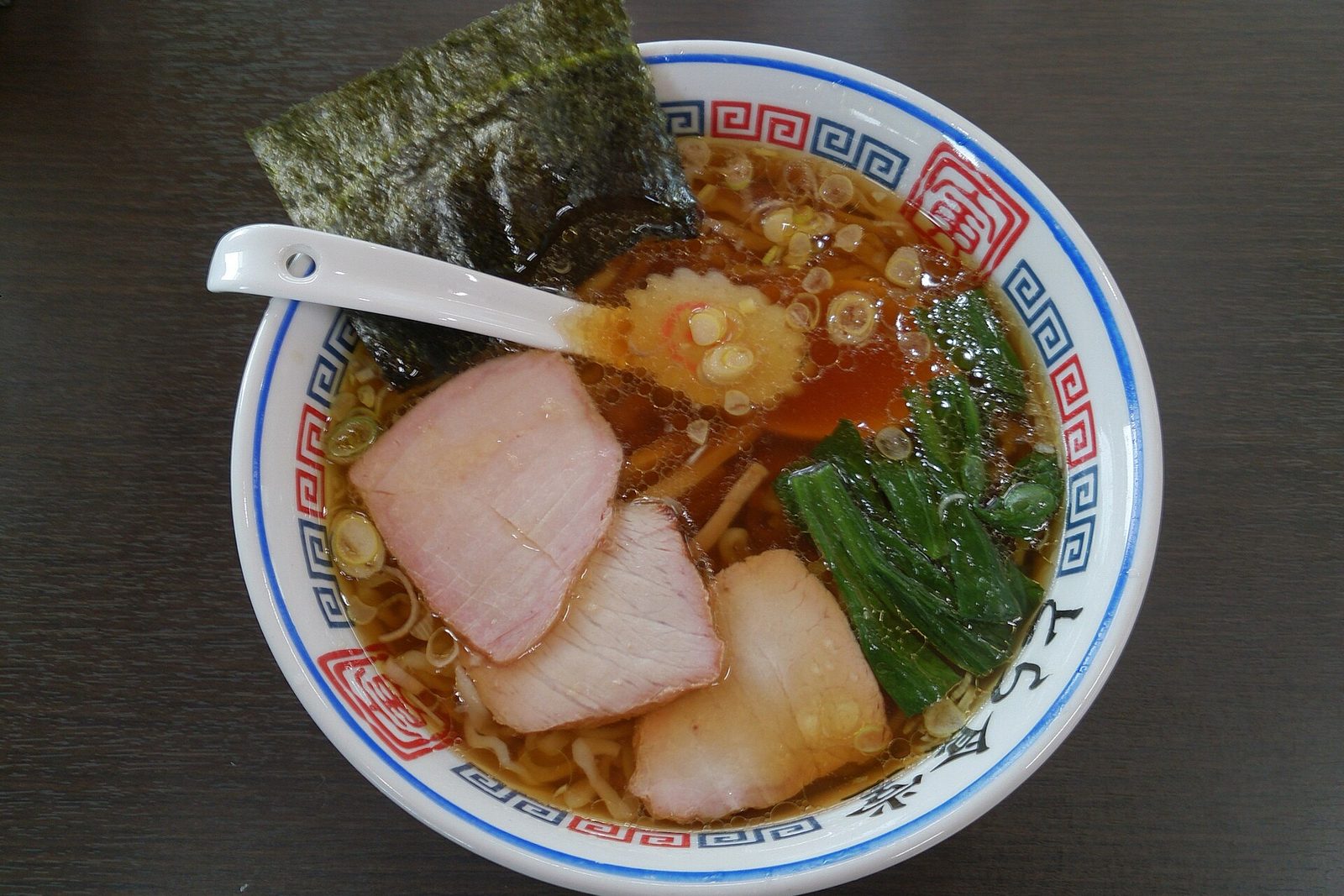
6. Tokyo: the chuka soba where it all began
More than a century after Rairaiken, the basic Tokyo bowl is still a shoyu broth of chicken bones with fish stock from dried sardines or bonito, and thin curly noodles. Chashu, bamboo shoots, naruto, nori and spring onion: that nostalgic look is still loved as chuka soba.
Tokyo is also where new styles are born. Tsukemen, noodles dipped into a separate broth, became a menu item in 1955 at Taishoken in Nakano. If you are passing through, Tokyo Ramen Street in Tokyo Station is an easy place to try several popular shops.
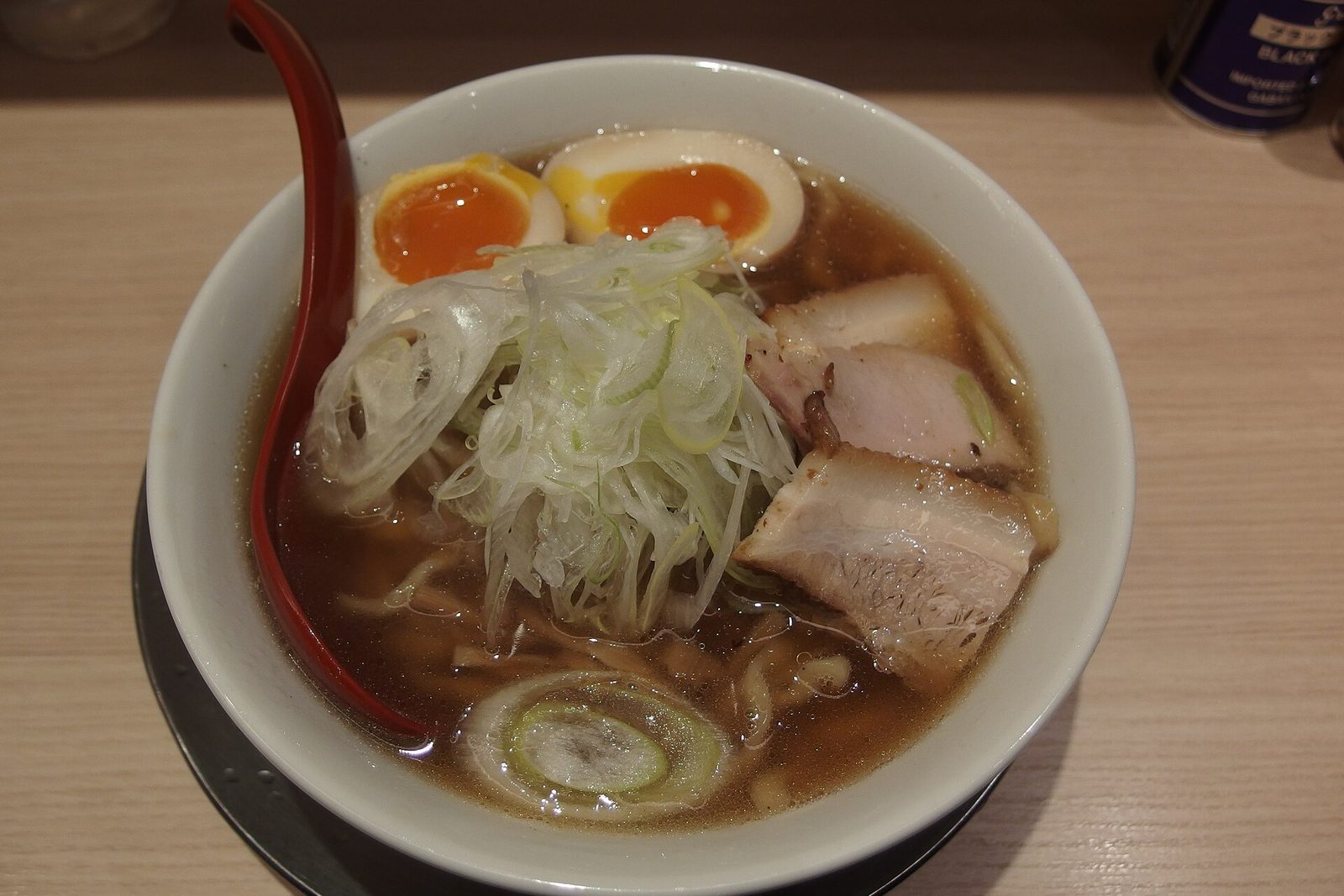
7. Yokohama iekei: build your own bowl
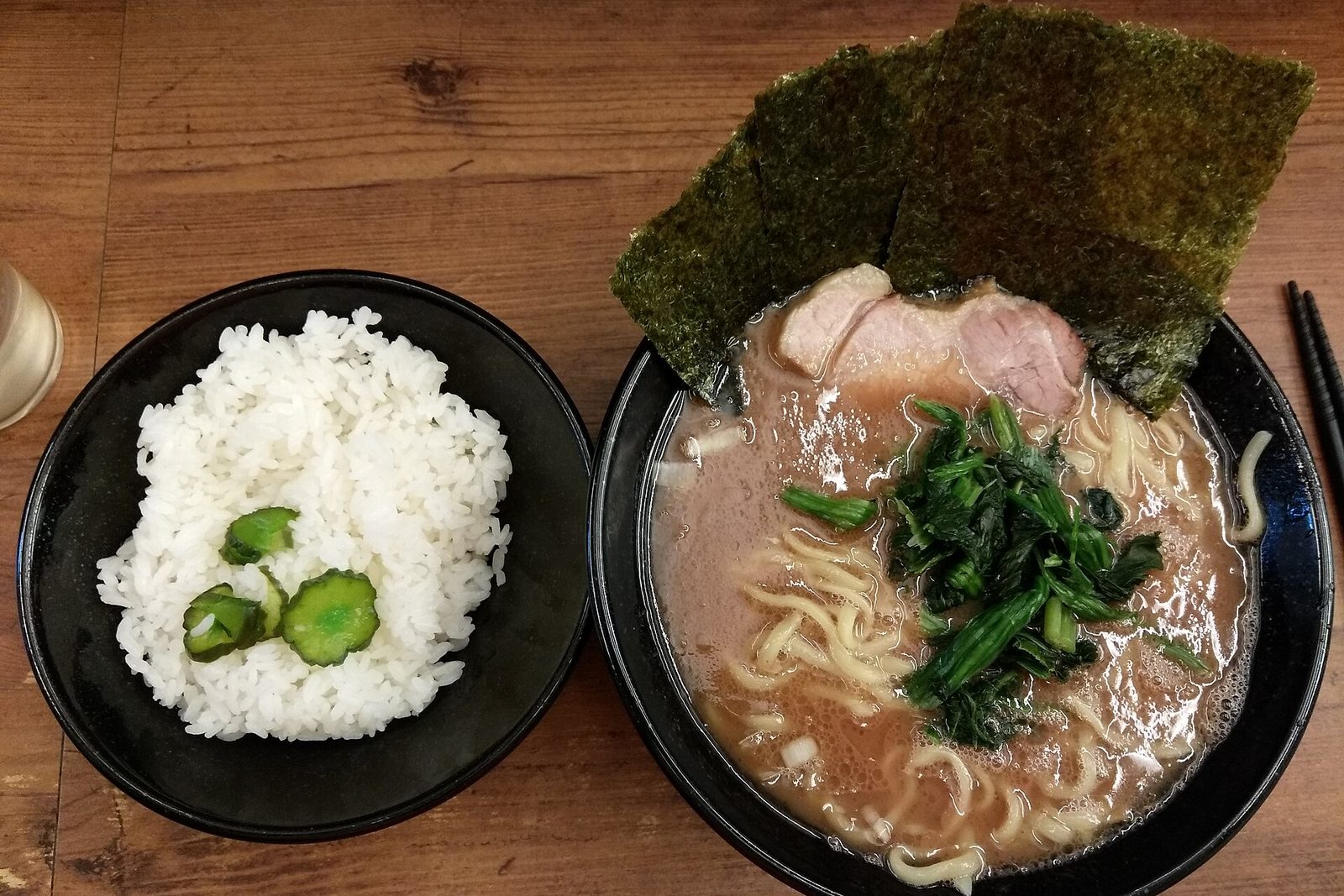
In 1974, Yoshimuraya opened in Shin-Sugita, in Yokohama's Isogo ward, and the style later known as iekei (“house style”) was born. A thick, rich broth of pork bones, chicken fat and shoyu tare meets thick, chewy noodles, topped with big sheets of nori, spinach and chashu.
The fun of iekei is choosing: when you order, you pick how firm the noodles are, how strong the flavour is and how much oil goes in. And it is made for rice: wrapping rice in broth-soaked nori is one of iekei's small pleasures.
Toyama Black and Wakayama
8. Toyama Black: a startlingly black broth
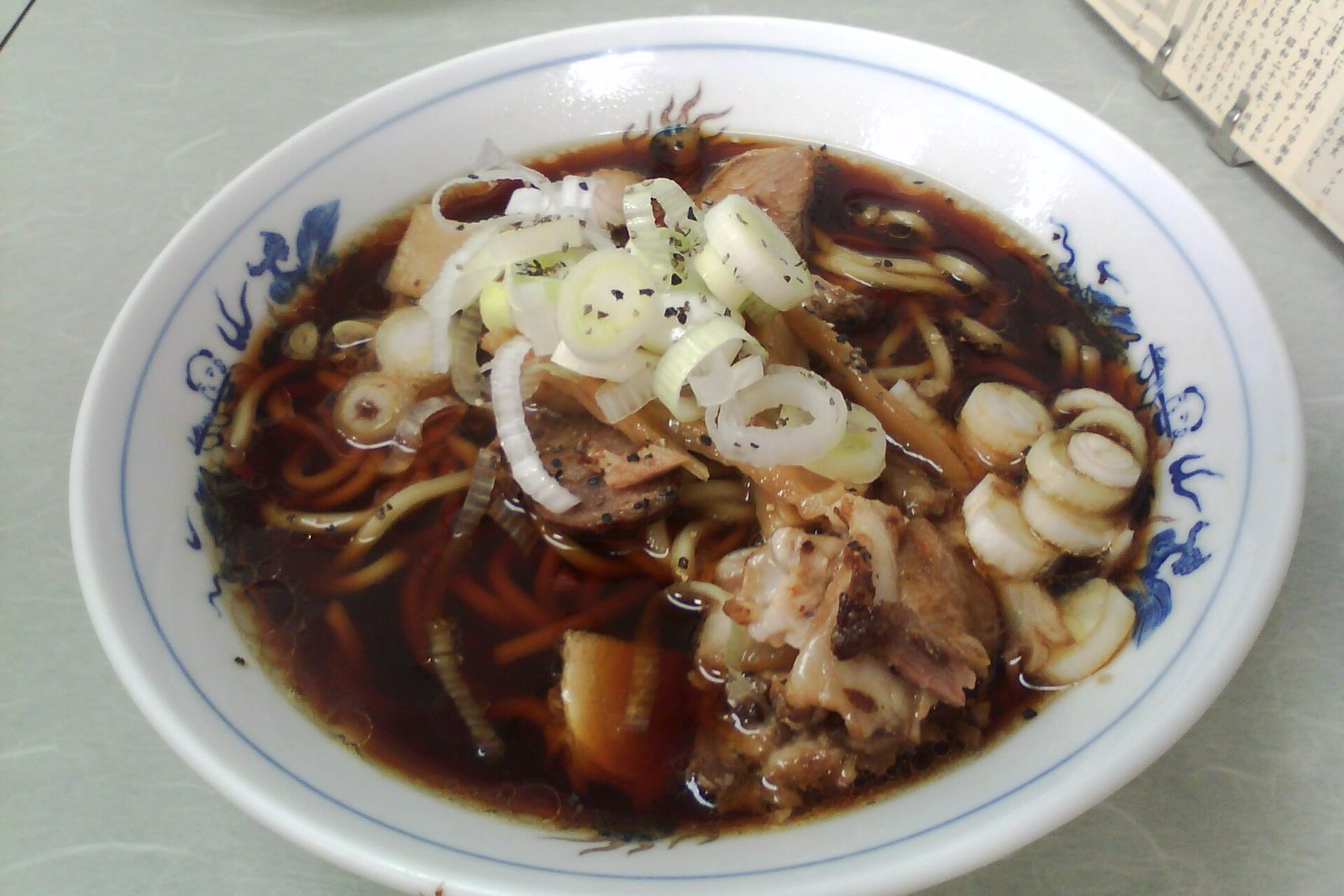
Look into the bowl and the soup is jet black. Toyama Black is said to date from around 1947, when a stall owner started serving the workers rebuilding Toyama after it was destroyed in an air raid. The stall later became a shop called Daiki, and today Nishicho Daiki carries on the recipe.
A salty, intense shoyu broth, chunky spring onion and well-simmered, salty bamboo shoots. It tastes as bold as it looks, and you will not forget it.
9. Wakayama: chuka soba, with sushi on the table
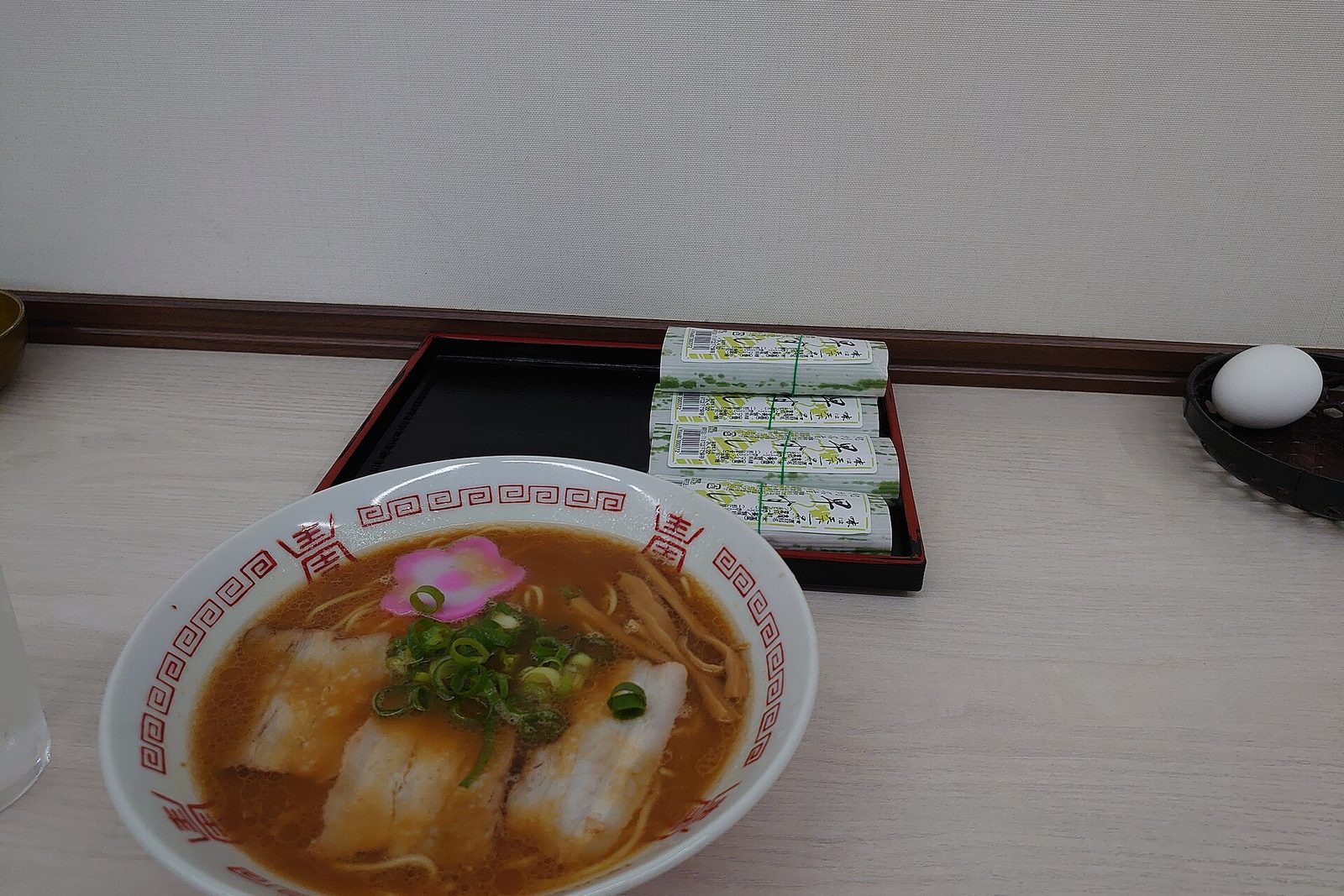
In Wakayama, ramen is usually called chuka soba. The broth is tonkotsu-shoyu, in two main families: the Shako-mae style, dark but clear and soy-forward, born at stalls by a tram depot stop, and the cloudier, pork-heavy Ide style. In the late 1990s, a TV show featuring Ide Shoten made Wakayama ramen famous nationwide.
Uniquely Wakayama are the hayazushi (pressed sushi, often mackerel) and boiled eggs left on the table. Help yourself while you wait, then tell the staff what you ate when you pay.
Tokushima and Onomichi
10. Tokushima: ramen as a side dish for rice
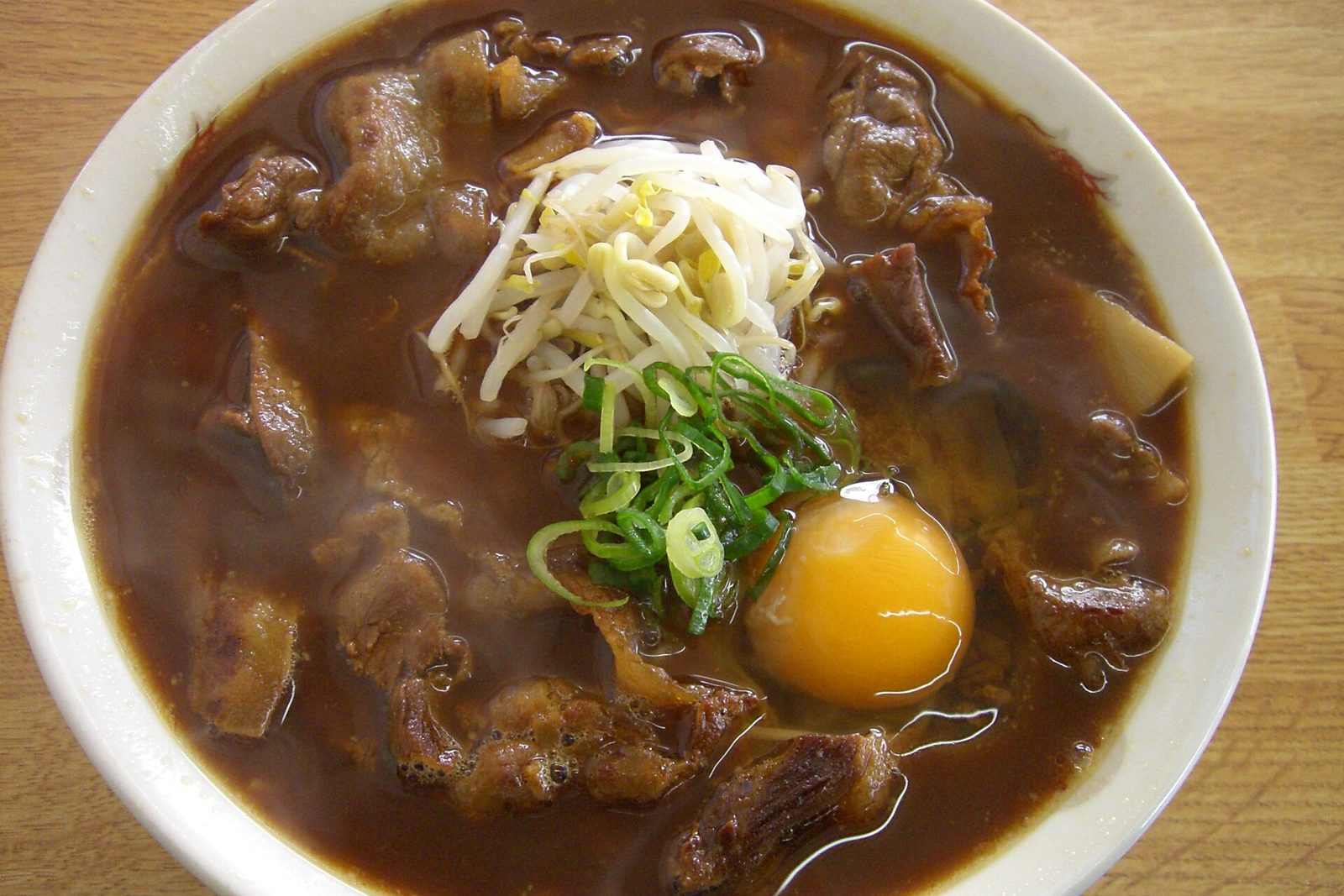
Tokushima ramen comes in three colours: brown, yellow and white. The best known is the brown style, pork bones with dark shoyu. It is topped with sweet-savoury simmered pork belly, and Tokushima-style means cracking a raw egg into it.
Locally, ramen is something you eat with rice. Order a bowl of rice too, and pile the pork and egg on top. Research by the Shin-Yokohama Ramen Museum in the 1990s drew attention to it, and “Tokushima ramen” spread nationwide.
11. Onomichi: small fish and minced back fat
Onomichi is a town of slopes, cats and sea views. Its ramen is proud of a clear shoyu broth of chicken and small fish from the Seto Inland Sea. Floating on top is minced pork back fat; the soft little nuggets add richness, so the bowl is light and satisfying at once. The noodles are flat and medium-thin. It is said to have started in the late 1920s with shina soba sold from a stall by a man from China.
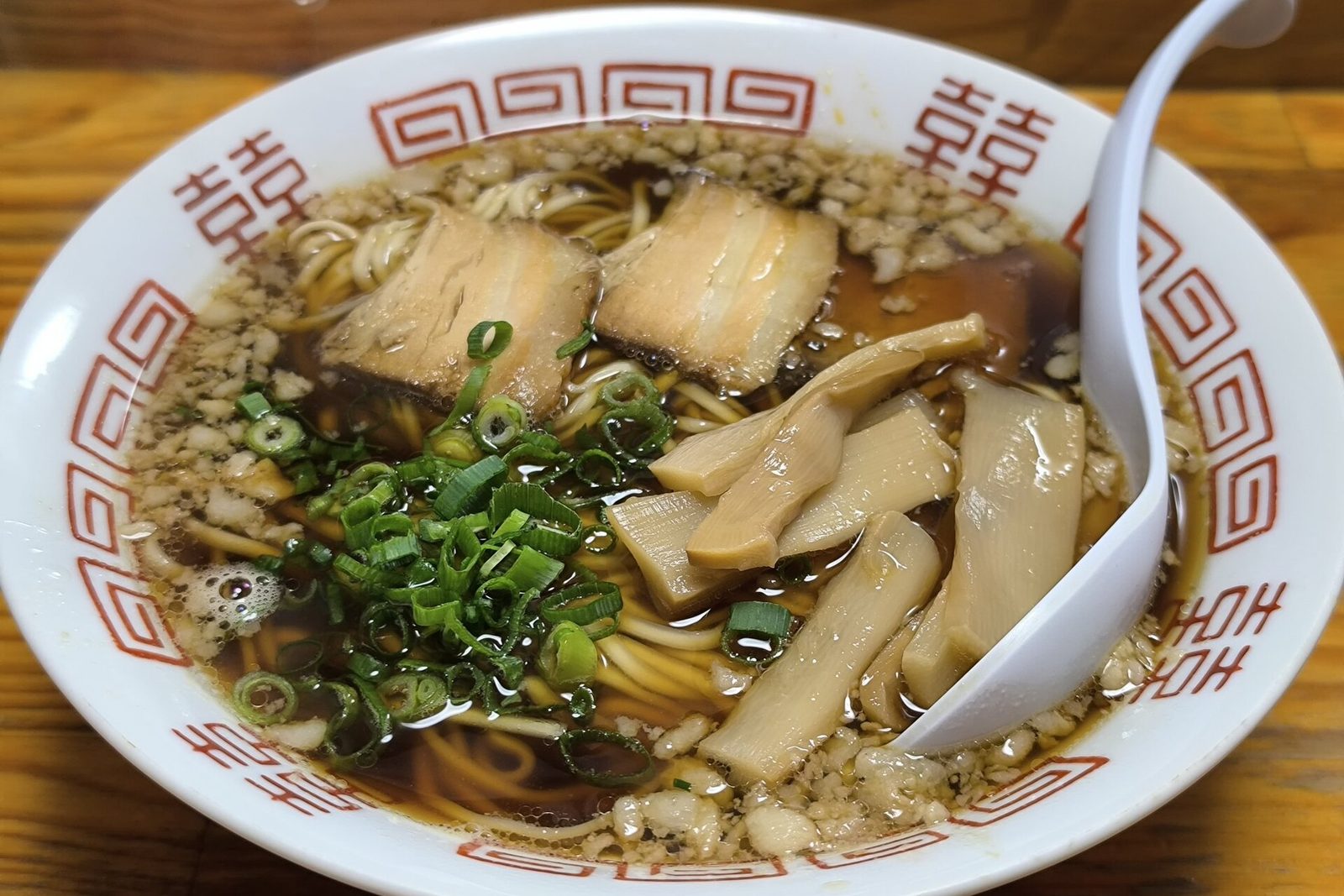
Kyushu: Hakata, Kurume, Kumamoto, Kagoshima
Kyushu is tonkotsu country, and the same pork-bone broth tastes surprisingly different from city to city. It began in Kurume, Fukuoka, and spread from there to Hakata, Kumamoto and Kagoshima.
12. Hakata: very thin noodles and refills
A milky tonkotsu broth with very thin, straight noodles, topped as you like with pickled red ginger, spicy mustard greens and sesame. The thin noodles are said to have been created to serve workers at the fish market in the port district of Nagahama as quickly as possible.
Thin noodles go soft fast, so instead of a large bowl, Hakata invented the kaedama: a refill of noodles only. Portions are small, so plan on a refill. You can also choose how firm your noodles are (the terms are in chapter 12).
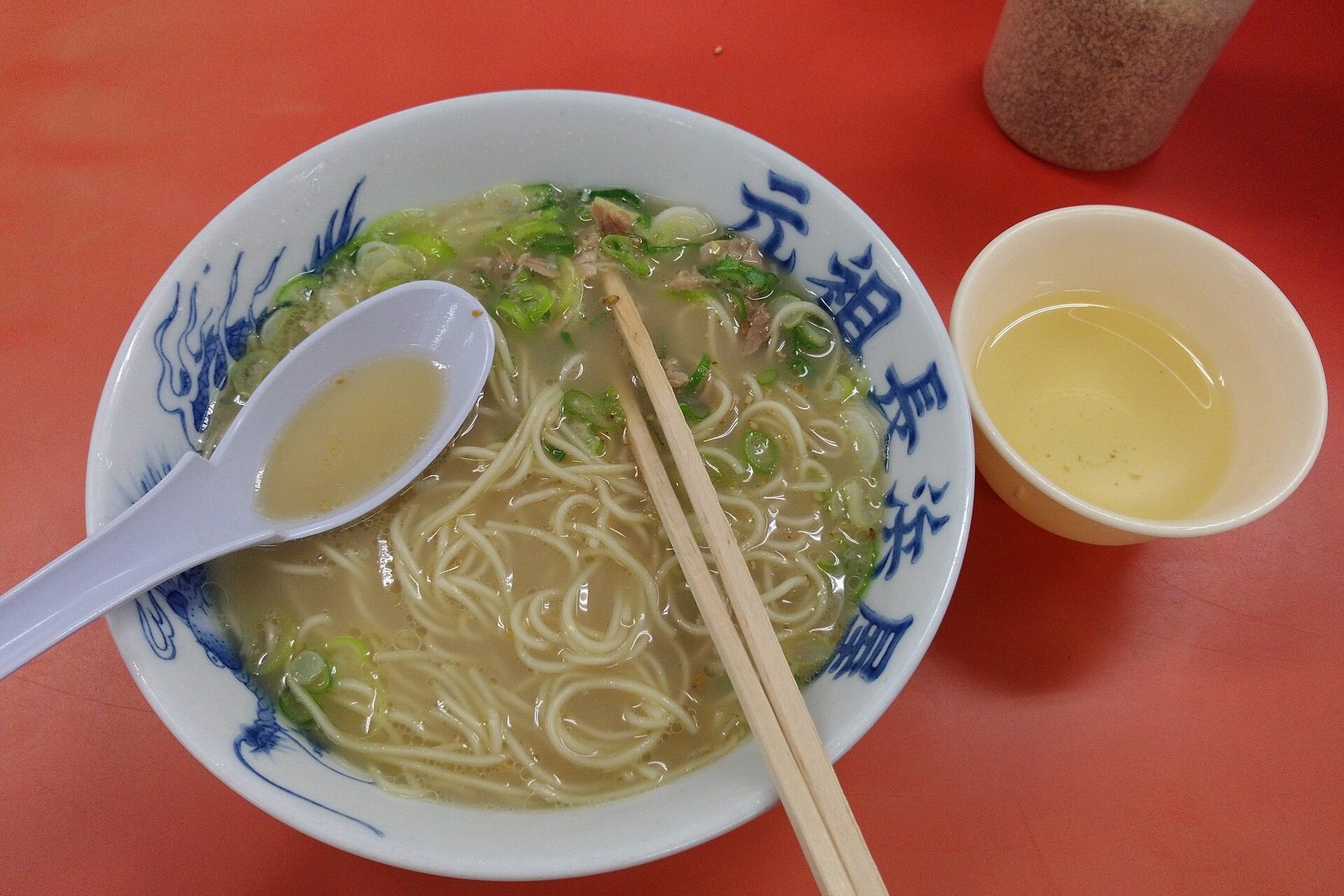
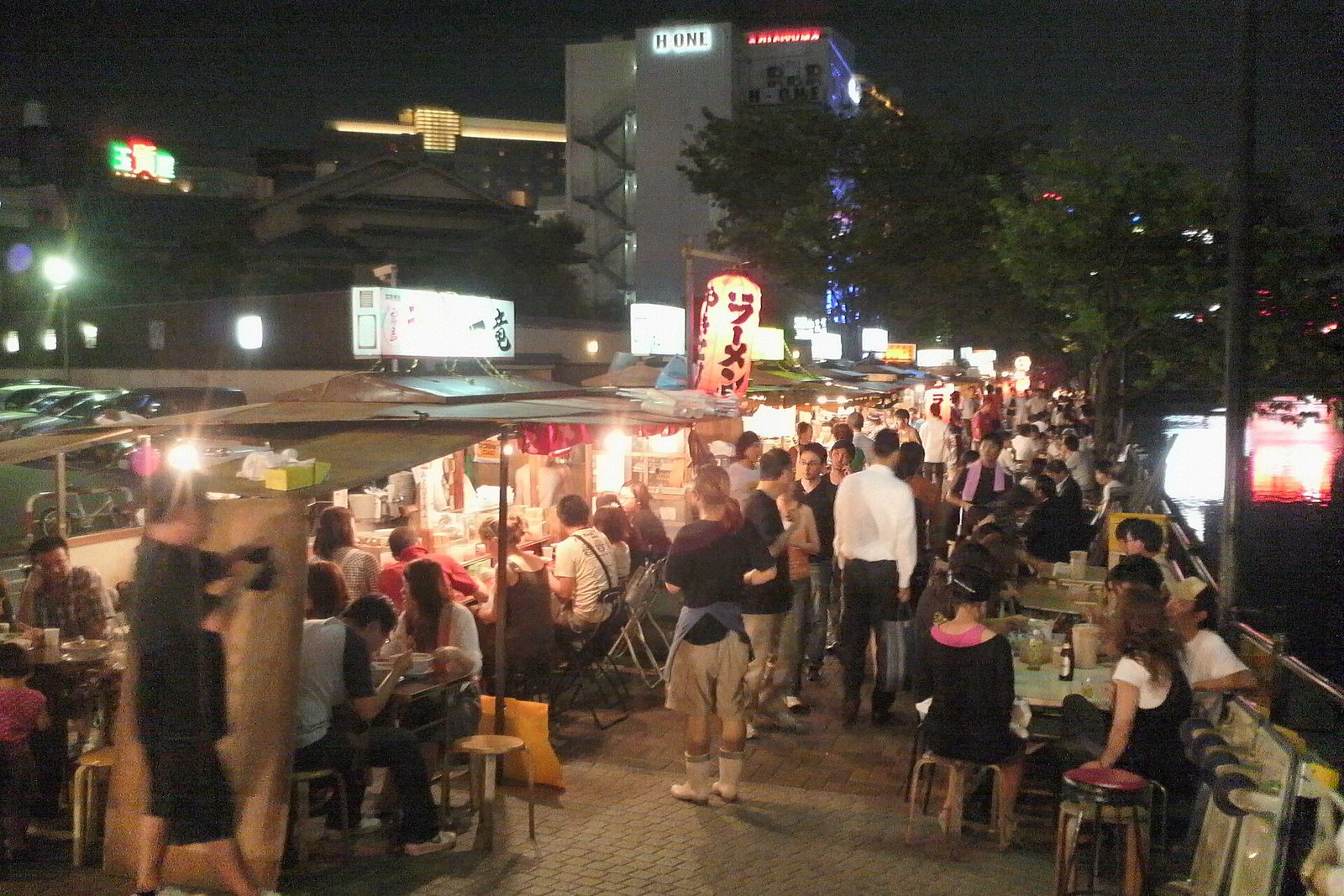
At night in Hakata, do not miss the yatai street stalls in Nakasu and Tenjin. A bowl under the lights of the stalls lining the river makes a great travel memory.
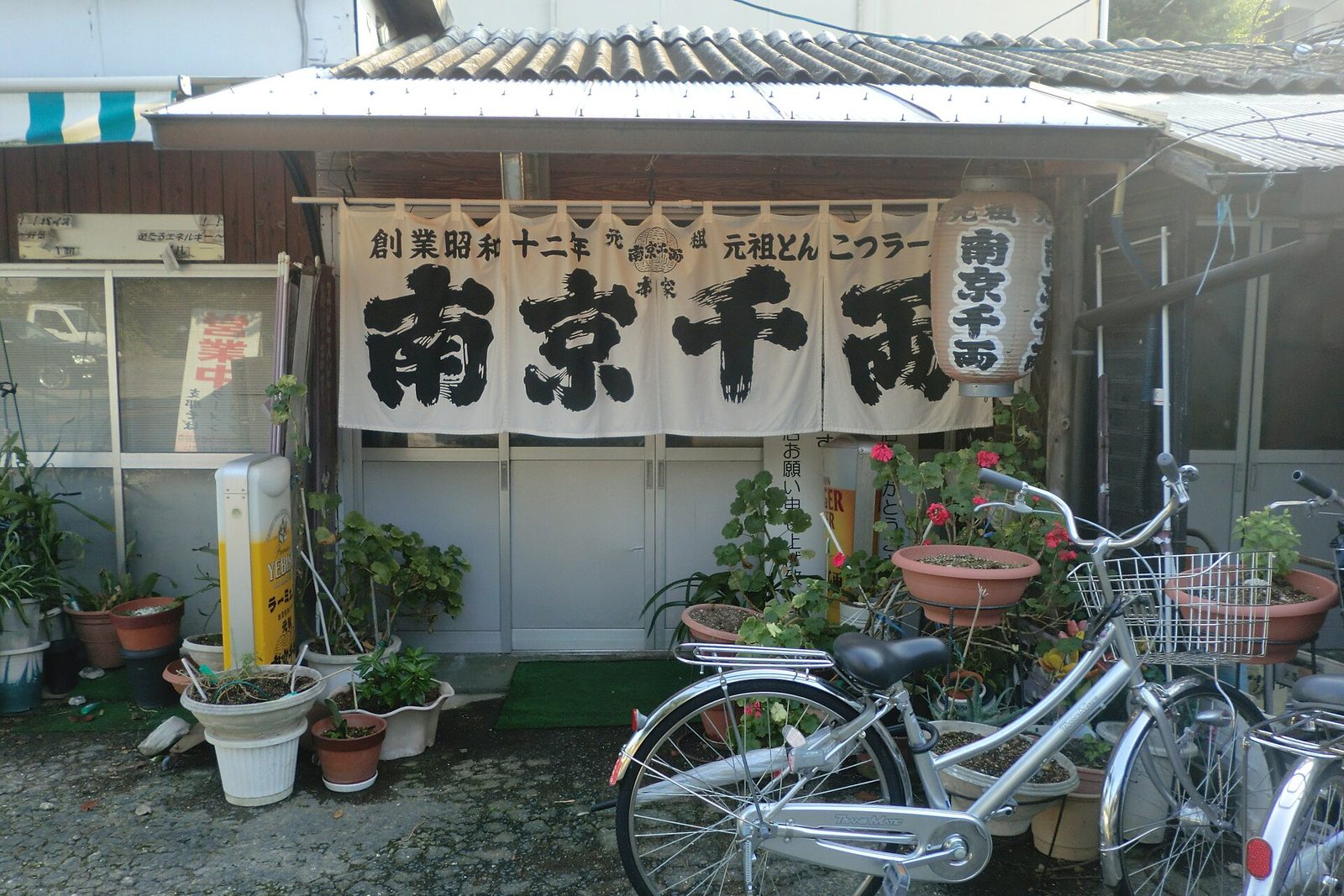
13. Kurume: where all tonkotsu began
In 1937, tonkotsu ramen was born at a Kurume stall called Nankin Senryo. At first the broth was fairly clear, but in 1947 the stall Sankyu produced a milky white broth, the source of all Kyushu tonkotsu. Kurume shops tend to serve a rich, pungent broth, and some old shops still boil it in big iron cauldrons. The noodles are a little thicker than Hakata's, and a sheet of nori is common.
14. Kumamoto: the scent of toasted garlic
Kumamoto takes the tonkotsu that came from Kurume and adds chicken bones for a mellower broth. Then come mayu, a black oil made by frying garlic until dark, and crunchy garlic chips. The noodles are medium-thick, topped with wood ear mushrooms, nori and pork belly chashu. The toasty aroma is guaranteed to make you hungry.
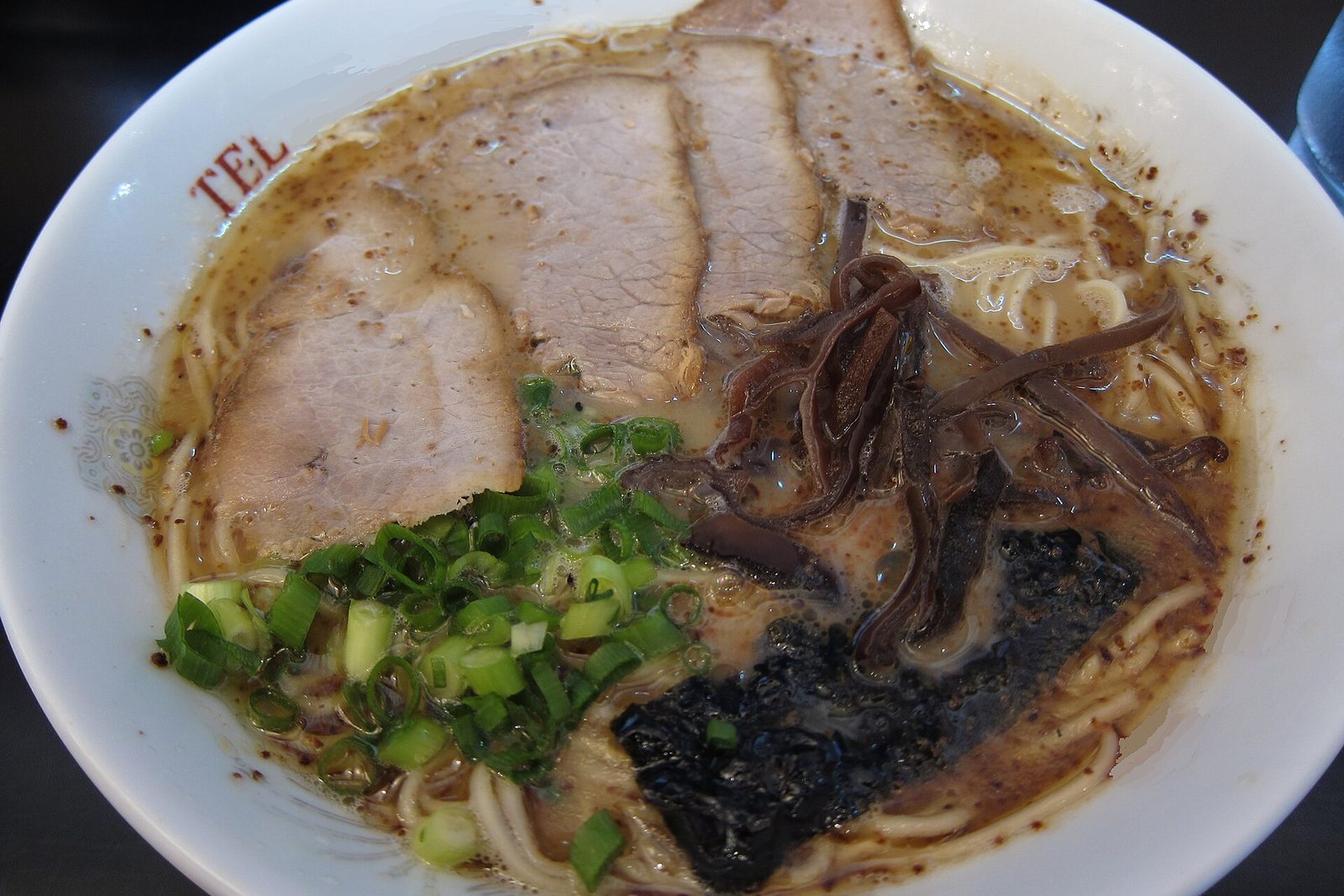
15. Kagoshima: black pork and a plate of pickles
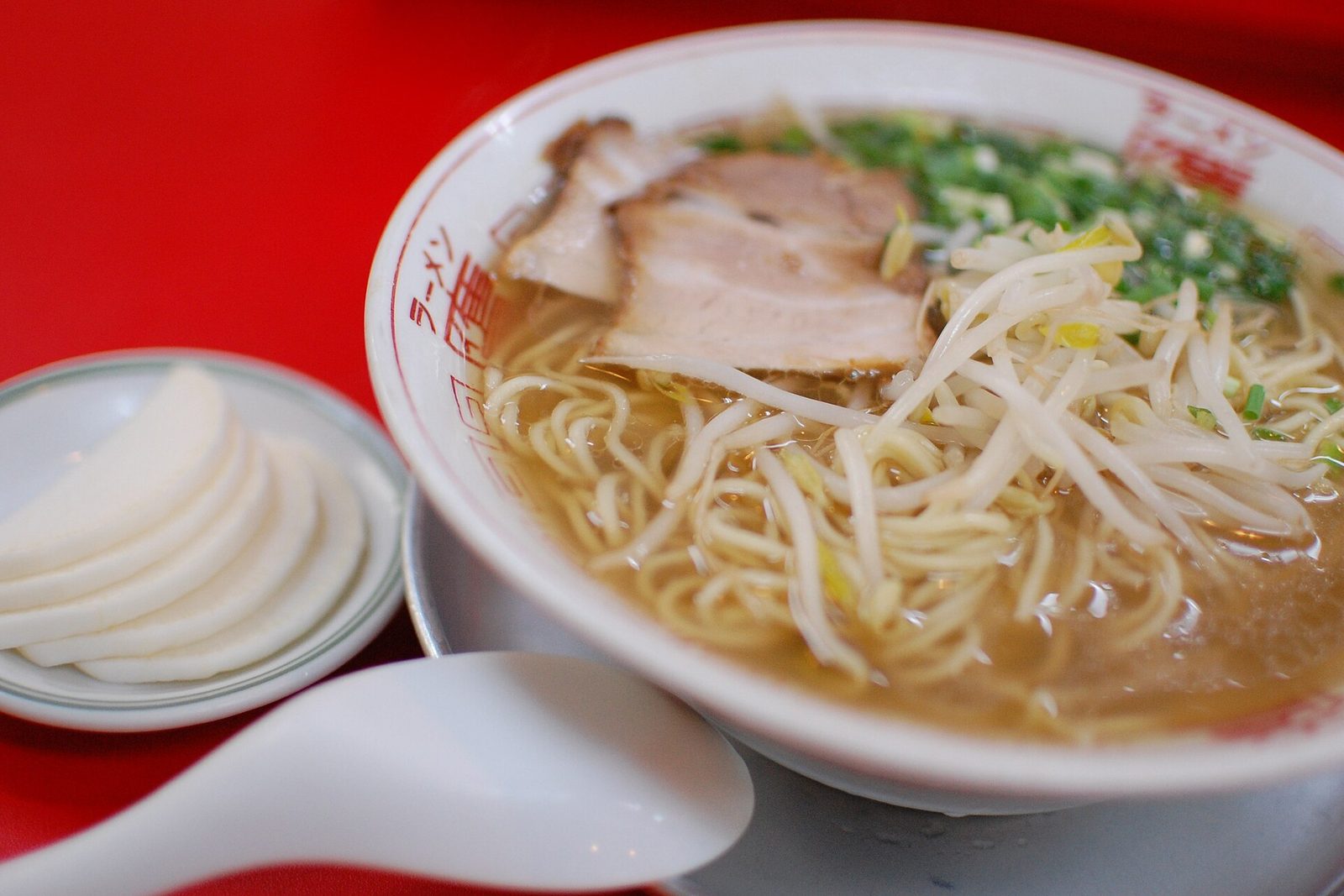
Our trip ends in Kagoshima. The broth is pork bones alone or pork with chicken, and some shops add seafood or other twists. The noodles are medium-thick and straight, topped with the local Kurobuta black pork chashu, bean sprouts, fried onion and spring onion.
A very Kagoshima custom: nibbling pickles while you wait for your ramen. Many shops bring out pickled daikon or similar, a nice moment to relax.
Before you go
Every regional ramen comes with its own local etiquette. Knowing it makes the bowl taste even better.
- Hakata noodle firmness — from firmest: kona-otoshi (barely cooked), harigane (“wire”), barikata, kata, futsu (normal), yawa, bariyawa. Say nothing and you get normal. Not sure? Start with kata
- Order your refill a little early — ask while some noodles are still left, so the broth stays hot
- Iekei choices — noodle firmness, flavour strength and oil. Go “normal” on everything the first time, then fine-tune
- Wakayama hayazushi and eggs — help yourself, then tell the staff what you had when you pay
- Tokushima with rice — add the raw egg and put the pork on your rice
- Kitakata breakfast ramen — some shops open in the morning; perfect for a travel breakfast
- Kagoshima pickles — something to enjoy while you wait, and a palate cleanser afterwards
To try ramen from all over Japan in one place, head to the Shin-Yokohama Ramen Museum (about five minutes' walk from JR Shin-Yokohama Station). Famous shops from different regions take turns there, and some offer mini portions so you can try several. Popular shops often close as soon as the broth runs out, so check opening hours and closing days before you go.
Summary
- Ramen came from China. After the ports opened, Chinese quarters grew up, and Rairaiken in Asakusa (1910) created the template for Japanese shoyu ramen.
- The 1923 earthquake scattered cooks across Japan, stalls spread after the war, and Chicken Ramen (1958) made “ramen” a household word.
- Shoyu, miso and shio name the tare; tonkotsu names the broth. A bowl is broth, tare, aroma oil, noodles and toppings.
- Japan's big three are Sapporo (miso), Kitakata (shoyu) and Hakata (tonkotsu). Tonkotsu began in Kurume.
- Breakfast ramen, refills, iekei choices, hayazushi, rice and raw egg: eating it the local way is the best part of regional ramen.
References
- Ministry of Agriculture, Forestry and Fisheries, aff (December 2024): the history of ramen (Japanese)
- Serai.jp: the history of ramen, with the director of the Shin-Yokohama Ramen Museum (Japanese)
- Ministry of Agriculture, Forestry and Fisheries, aff (September 2020): Hakata, Tottori and Kasaoka ramen (Japanese)
- MICHELIN Guide: Ramen types guide
- Mapple: regional ramen (Japanese)
- Sapporo Tourism Association: Sapporo ramen (Japanese)
- Tohoku Tourism Promotion Organization: Kitakata ramen (Japanese)
- GetNavi web: what is iekei ramen (Japanese)
- Mynavi News: Toyama Black (Japanese)
- HugKum: Wakayama ramen (Japanese)
- HugKum: Tokushima ramen (Japanese)
- HugKum: Onomichi ramen (Japanese)
- Crossroad Fukuoka: Hakata, Nagahama and Kurume ramen (Japanese)
- Japan Tourism Agency multilingual commentary database: Kumamoto ramen (Japanese)
- Rurubu &more.: Kagoshima ramen (Japanese)
- Geospatial Information Authority of Japan: Global Map Japan
Shop details and dates are based on material published as of October 2026. Accounts of ramen's origins and of how it got its name vary. The photos come from Wikimedia Commons under licences that allow reuse, and show only shop fronts, bowls and streets. The diagrams and map are my own.
Food Notes No. 1 — Japanese ramen, north to south / 2026.10