Food Notes / 2026 ・ No.07
The story of sake
1,300 years of rice, water and koji
Published
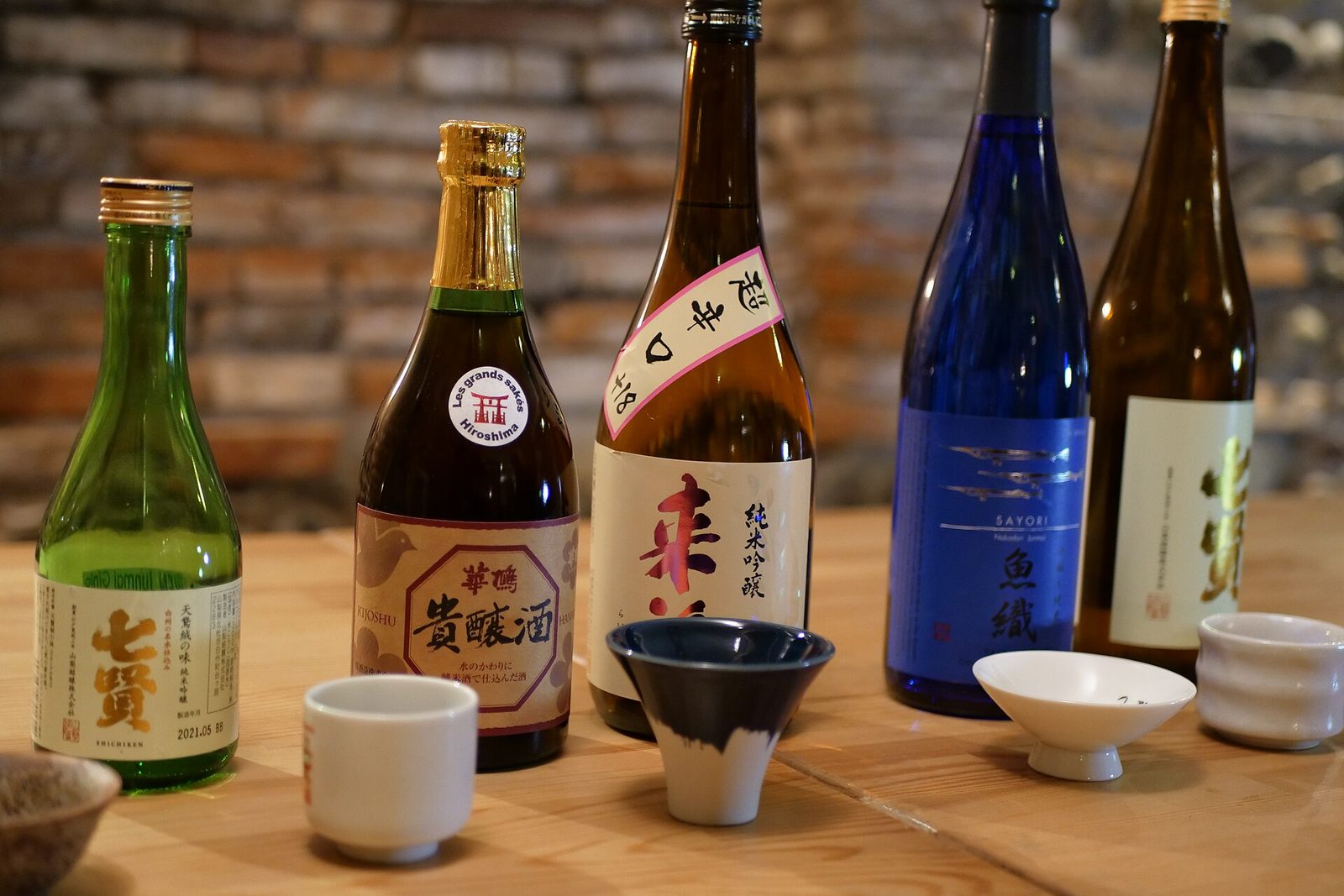
Rice, water and koji: that is all. Yet one sake smells like ripe fruit, while another rings with the deep savouriness of rice.
Chilled or warmed, it changes with the seasons. Sake is a wonderfully generous drink.
This post explores the rare way it is made, how to read a label, 1,300 years of history, Japan's brewing regions, and how to enjoy it.
What is sake?
Sake (nihonshu or seishu) is made by fermenting rice, rice koji and water and then filtering it. Like wine and beer it is a brewed drink, but the method is quite unusual. Most sake is around 15% alcohol, high for a brewed drink.
In 2015, “Nihonshu” became a geographical indication: only sake made in Japan from Japanese rice may use the name. And in December 2024, Japan's traditional knowledge and skills of sake-making with koji mould were added to UNESCO's list of Intangible Cultural Heritage.
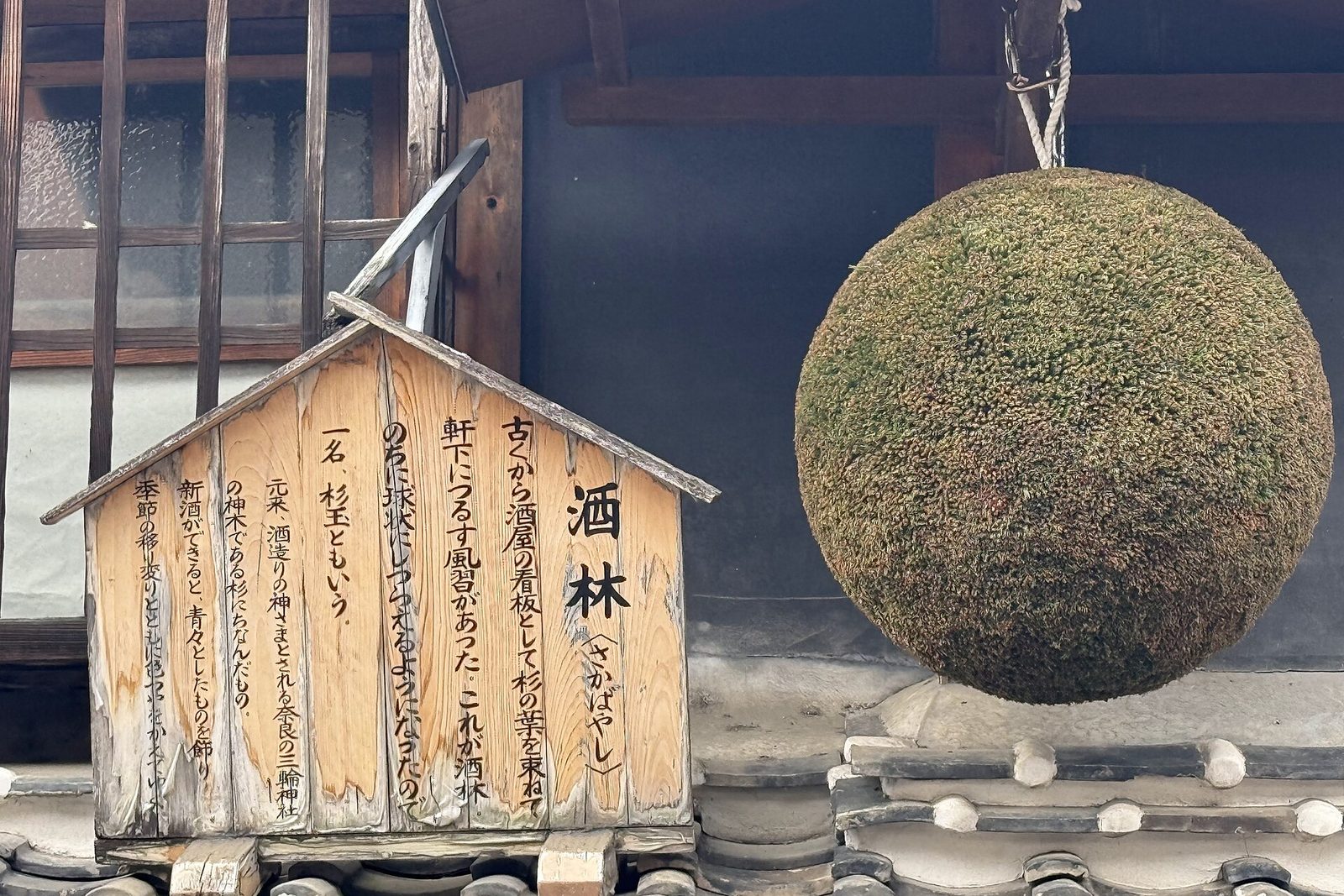
Have you seen the ball of cedar leaves, the sugidama or sakabayashi, hanging outside a brewery? A fresh green ball announces that this year's new sake is ready. Watching it slowly turn brown as the sake matures is part of sake's charm.
A rare way to brew
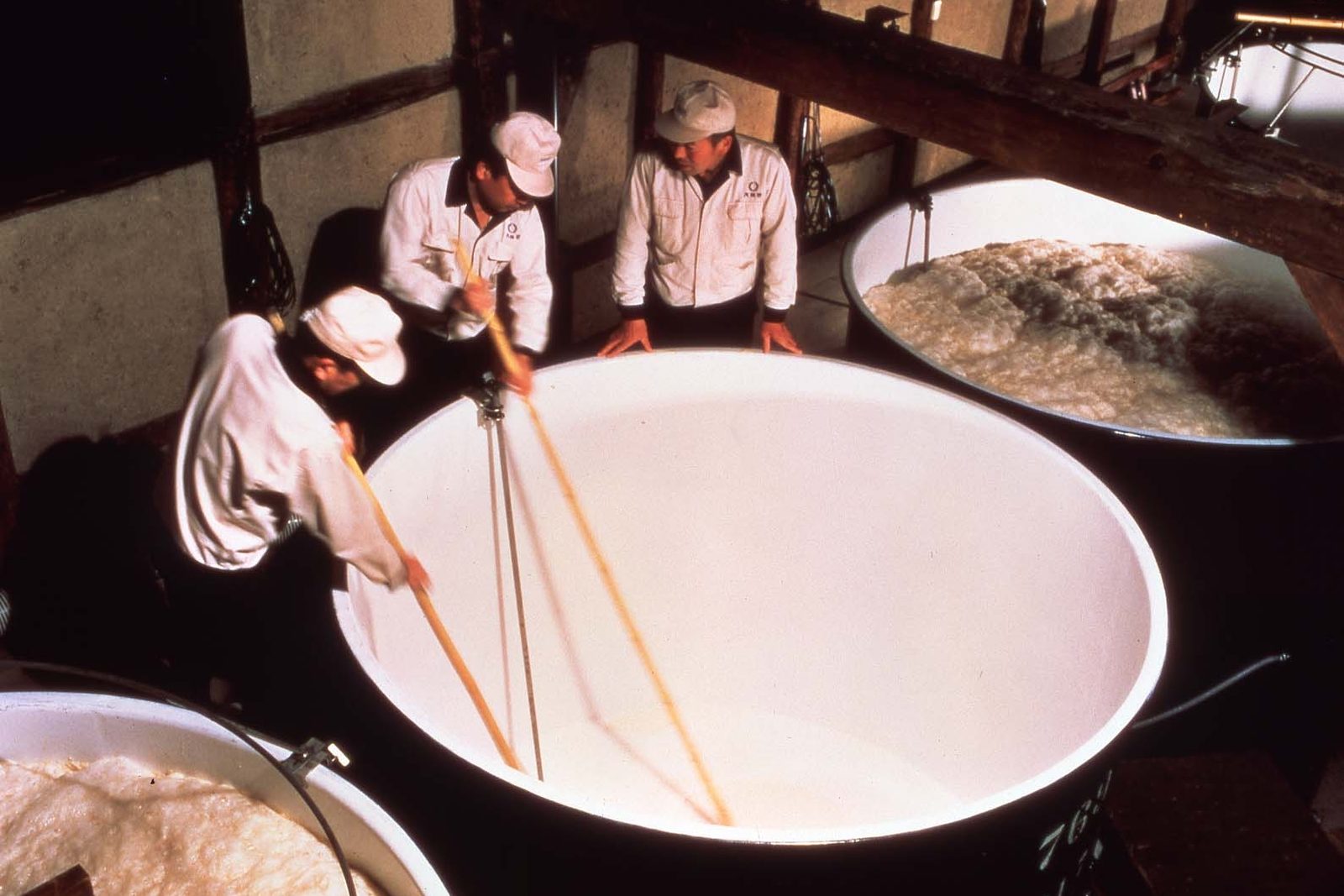
Yeast makes alcohol by eating sugar. But rice contains starch, not sugar. Enter koji: steamed rice on which koji mould has been grown, packed with enzymes that turn starch into sugar.
The fascinating part is that in sake, “starch to sugar” and “sugar to alcohol” happen at the same time, in the same tank. This is called multiple parallel fermentation. Wine simply ferments the sugar already in grapes; beer converts starch to sugar first and ferments afterwards. Doing both at once is rare among the world's drinks.
From rice to sake
The mash is built up in three additions of koji, steamed rice and water. Adding everything at once would overwhelm the yeast, so the batch is grown step by step.
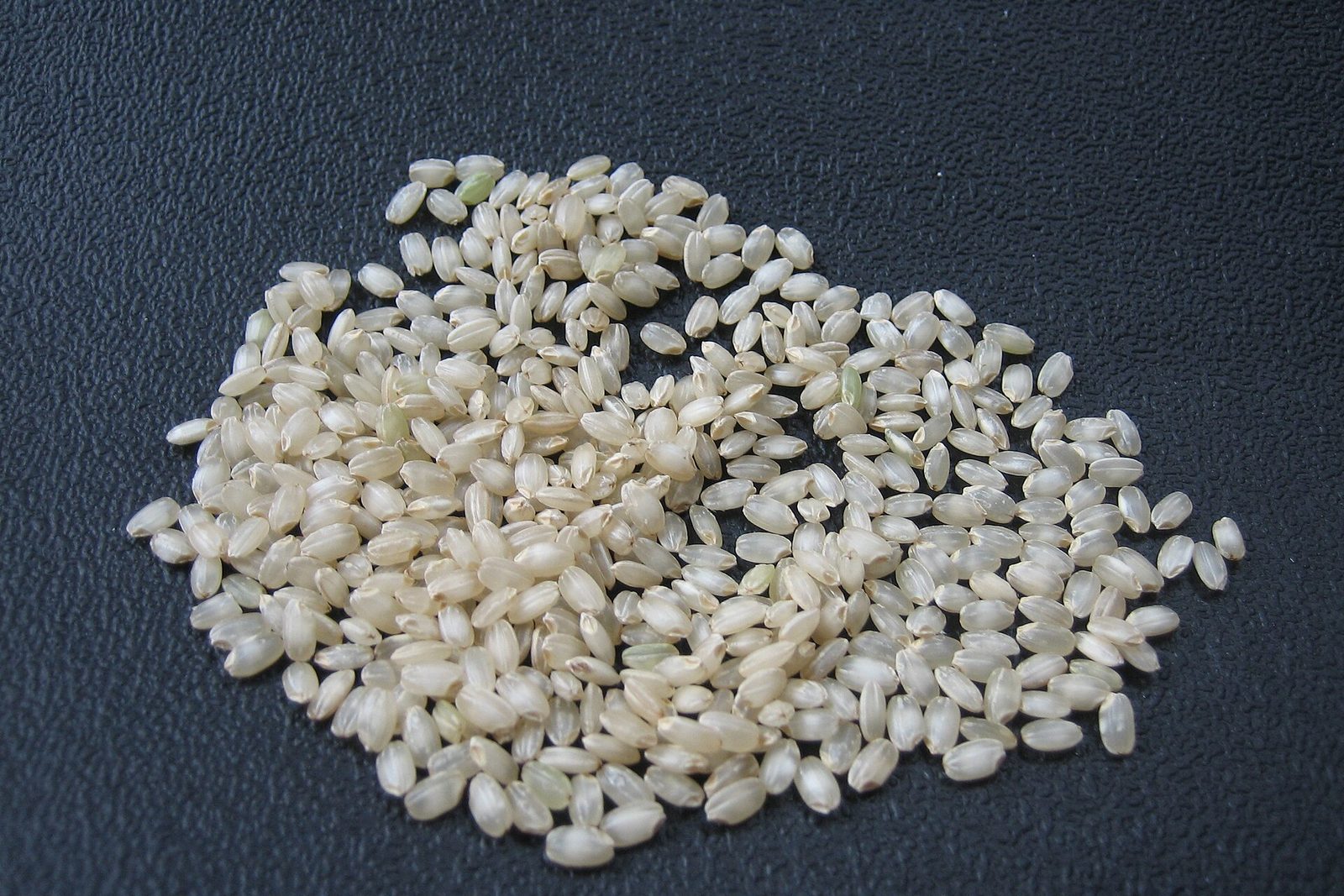
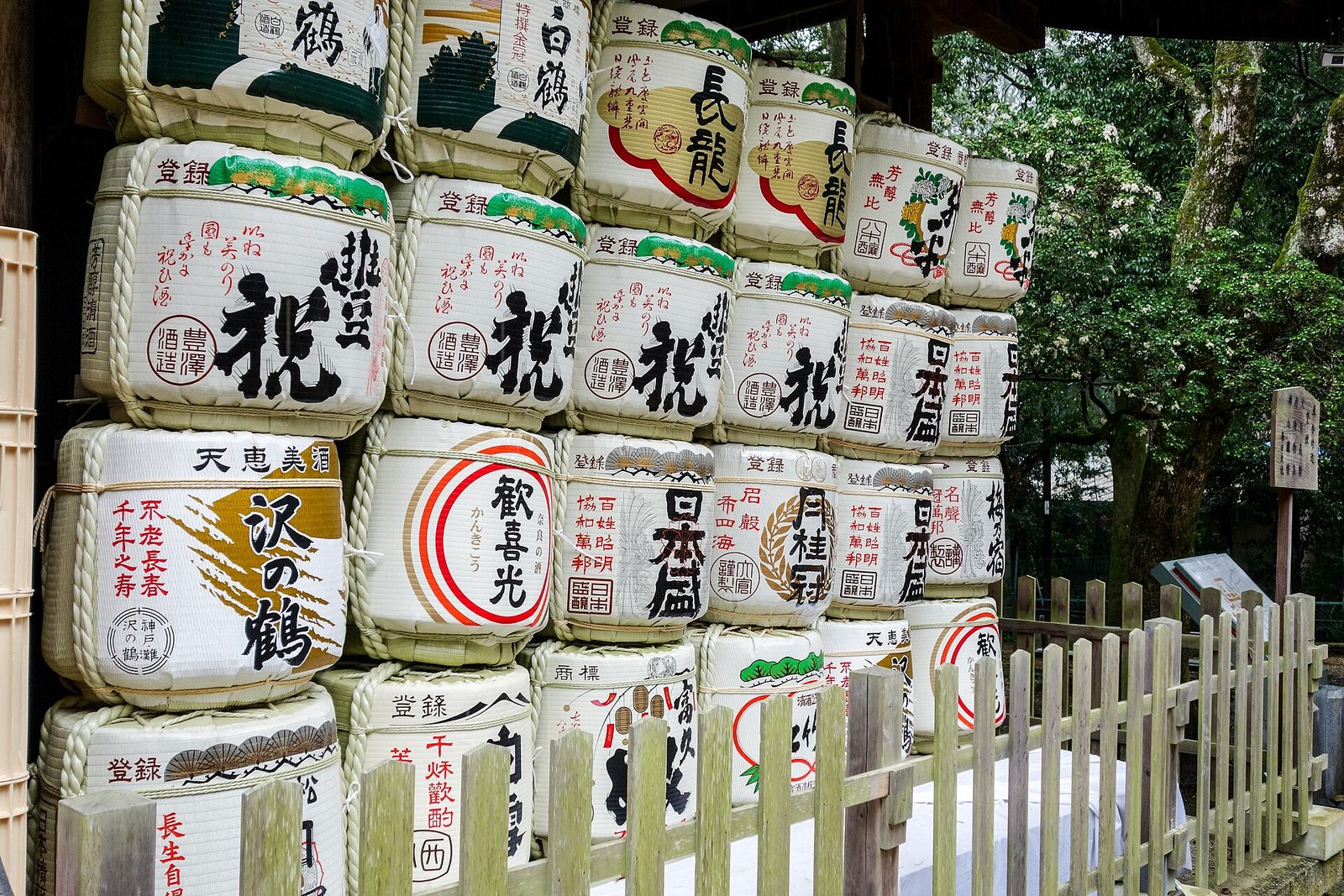
Rice suited to brewing is called sake rice: large grains with a soft, white, starchy core called shinpaku. The most famous is Yamada Nishiki, bred in Hyogo in 1923, which makes up about 40% of sake rice. Niigata's Gohyakumangoku follows at about 20%, and Okayama's Omachi has a devoted following.
Reading the label
Words like junmai, ginjo and daiginjo on a label are official special designations, decided by two yardsticks.
- Polishing ratio: how much of the grain is left. 60% means the outer 40% has been ground away. The outer layers hold proteins and fats that can make sake taste rough, so more polishing gives a cleaner, more fragrant sake.
- Brewer's alcohol or not: junmai means only rice and rice koji. Sake without the word has a little brewer's alcohol added to lift the aroma or lighten the body.
How far is it polished? Ratios and designations
Ginjo and daiginjo are fermented slowly at low temperatures, giving their fruity “ginjo aroma”
Another number you will see is the sake meter value (nihonshu-do), calculated from the sake's density. The higher the plus value, the less sugar and the drier the sake; the further into minus, the sweeter. Acidity also matters: with the same sugar, more acid tastes drier, so read it alongside the acidity figure.
Daiginjo is not simply “the best”. A fragrant daiginjo shines chilled in a wine glass; a rich junmai shines warmed. Each has its moment.
1,300 years of history
Sake for the gods, sake from temples
The first record of brewing with rice koji is in the Harima no Kuni Fudoki, a regional chronicle from around 716: rice offered to the gods grew mould, so it was made into sake for a feast. In the Nara and Heian periods, the imperial court had its own brewing office to make sake for the palace.
From the Muromachi period into the age of civil war, the most famous sake came from great temples in and around Nara, known as temple sake. Shoryakuji in Nara is known as the birthplace of an early form of bodaimoto, a yeast starter that uses lactic fermentation. Records from 1576 on mention morohaku, sake made entirely from polished white rice, praised as “Nanto Morohaku”. Most of the techniques behind today's sake were in place by this time.
Nada sake sails to Edo
In the Edo period, brewing became concentrated in the cold of winter, and teams of seasonal workers gave rise to the tōji, the master brewer.
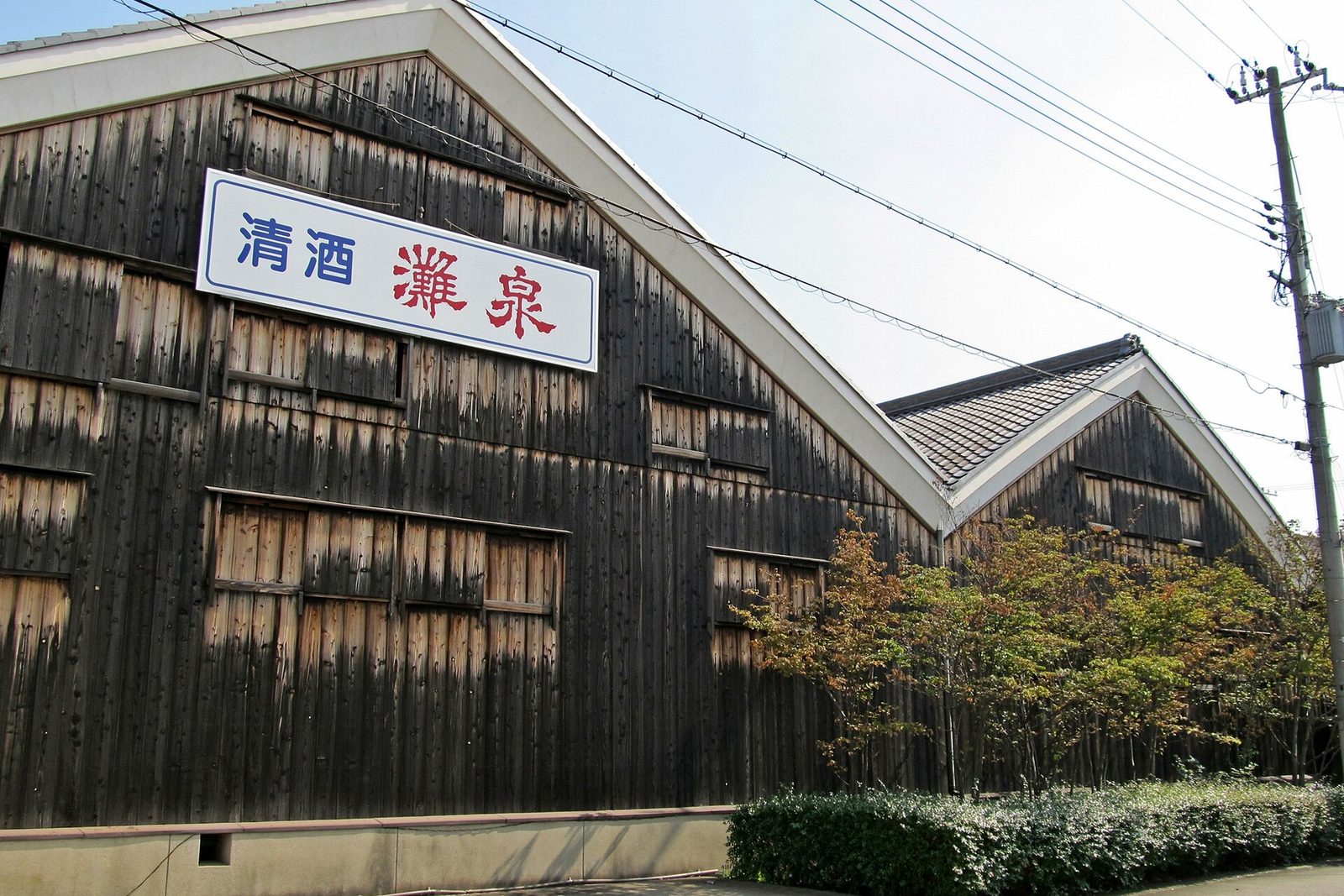
The great city of Edo preferred kudari-zake, sake shipped “down” from the Kyoto–Osaka region. Itami's sake led at first, then coastal Nada took over. Ships carrying only sake barrels cut the Osaka–Edo voyage from about a month in the late 17th century to ten days or two weeks by the 1860s, and by the late Edo period about 80% of the sake drunk in Edo came from Nada.
In 1840, Nada discovered miyamizu: sake made with well water from Nishinomiya was so good that the water became famous for brewing.
The age of science, and the world
In 1904 a national brewing institute was founded, and a system of distributing selected “association yeasts” to breweries nationwide followed. Science joined experience, and quality became far more consistent.
After the war, rice shortages led to sake stretched with alcohol and sugars, but such products were dropped from the legal definition of sake in 2006. Shipments peaked at about 1.75 million kL in fiscal 1975 and fell to about 390,000 kL in fiscal 2023, roughly a fifth of the peak. Meanwhile, quality over quantity flourished in ginjo and junmai sake.
Now sake is going global. In 2025 exports reached about ¥45.9 billion, to a record 81 countries and regions, led by China (about ¥13.3 billion) and the United States (about ¥11.0 billion).
Sake through the centuries
A tour of the brewing regions
Sake is brewed all over Japan, from Hokkaido to Okinawa, by about 1,200 makers. Great sake regions grew where good rice, good water and cold winters come together. By volume shipped, the leaders are Hyogo, Kyoto and Niigata; by number of makers, Niigata, Nagano, Fukushima, Hyogo and Yamagata. Tap a number on the map to jump to it.
A map of sake country, north to south
1. Akita
Rice country and snow country at once, Akita is fifth in Japan by volume shipped.
2. Yamagata
Fifth by number of sake makers. In 2016, “Yamagata” became the first prefecture-wide geographical indication for sake.
3. Niigata: the most breweries, home of “tanrei”
Niigata has more breweries than any other prefecture. Snow melts slowly into soft, low-mineral water that keeps fermentation gentle, producing fine, clean sake. The Gohyakumangoku rice bred in 1957, the skills of the Echigo tōji, and the Niigata Sake School, founded in 1984 to train young brewers, all stand behind the crisp, light style called “Niigata tanrei”.
4. Aizu (Fukushima)
Fukushima is joint third by number of makers, with many in the Aizu area. In 2024, Minami-Aizu and Kitakata both became geographical indications for sake.
5. Nagano
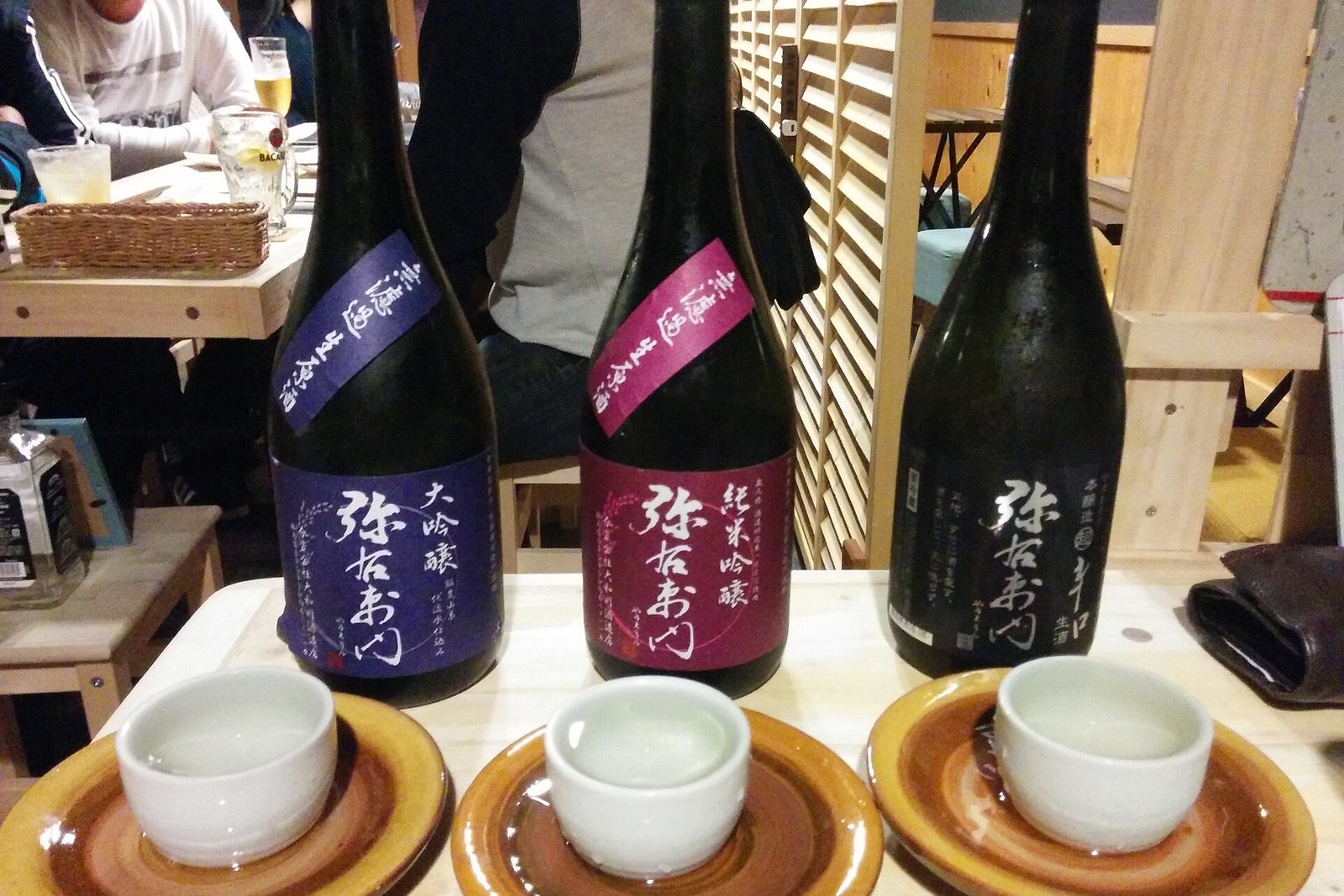
Second only to Niigata by number of makers, with breweries dotted through its mountain valleys; “Nagano” and “Shinano-Omachi” are geographical indications.
6. Fushimi (Kyoto): the gentle “feminine” sake
Kyoto is second by volume, and Fushimi is its heart. Its water has a hardness of around 80, moderately hard, so fermentation is gentler than in Nada and more sugar remains: hence its soft, so-called “feminine sake”.
7. Nara: where seishu was born
Nara was the stage for temple sake and Nanto Morohaku, where the techniques of today's sake grew up. Shoryakuji is known for its links to bodaimoto.
8. Itami (Hyogo): Edo's favourite
Famous in the early Edo period as “Itami morohaku”, Itami was the star of the sake shipped to Edo. In 2024, “Itami” became a geographical indication for sake.
9. Nada (Hyogo): No. 1 by volume, the bold “masculine” sake
Hyogo ships more sake than any other prefecture, centred on Nada-Gogo, the five brewing districts from Kobe to Nishinomiya. Miyamizu is hard water, around 180, so the yeast works vigorously and eats up the sugar, giving a crisp, dry “masculine sake”. Being close to the fields of Yamada Nishiki helps too. “Nada-Gogo” became a geographical indication in 2018.
10. Saijo (Hiroshima): the town that mastered soft water
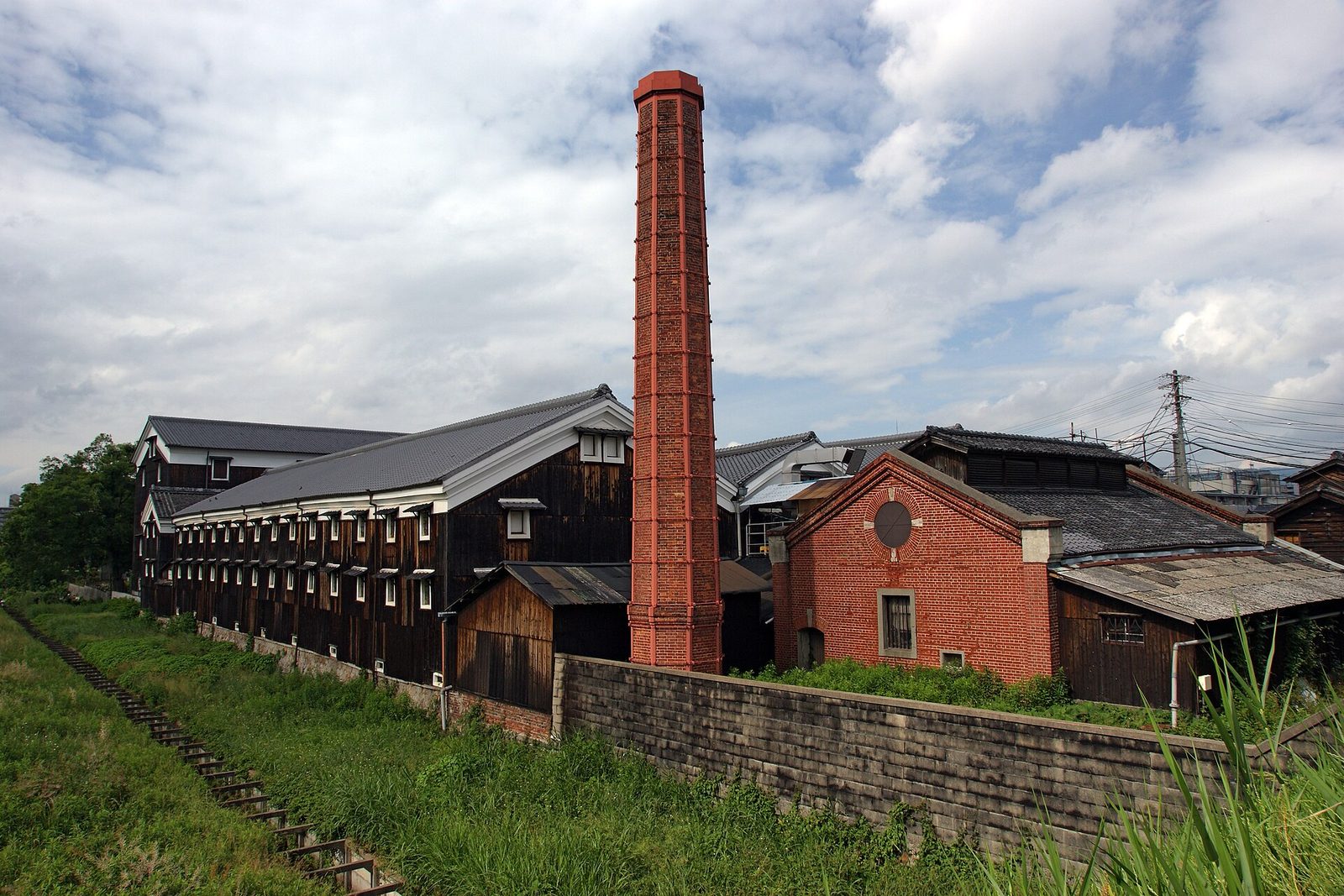
Soft, low-mineral water weakens yeast and once caused batches to spoil. In the late Meiji era, Miura Senzaburo of Hiroshima traced his own failures to soft water and, after much experiment, developed a soft-water brewing method. It lifted Hiroshima sake to fame, and Saijo, with its rows of red-brick chimneys, is still one of Japan's great sake towns.
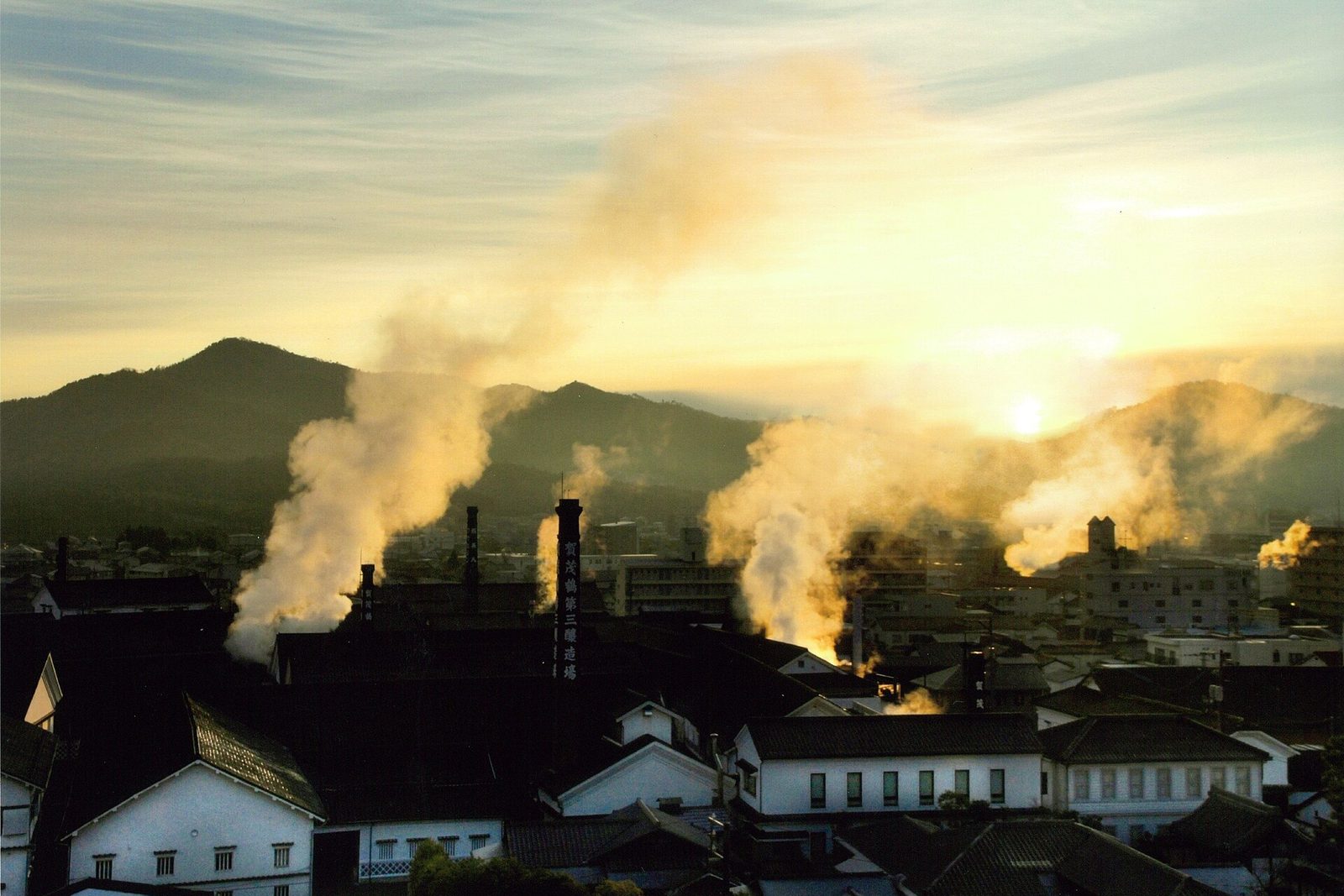
11. Saga
Kyushu is better known for shochu, but Saga is sake country: in 2021 the whole prefecture became the geographical indication “Saga”.
Hot or cold: enjoying sake
Sake's greatest charm is that it changes with temperature. Chilled, the aroma tightens and the taste turns crisp; warmed, the savouriness and sweetness of rice open up. Each temperature even has its own poetic name.
From 5 °C to 50 °C: the names of temperatures
- Fragrant ginjo and daiginjo: chill to around 10–15 °C and serve in a wine glass.
- Rich junmai and honjozo: warm to 40–45 °C for a rounder taste. Stand the tokkuri in hot water and warm it gently.
- Mokkiri, pouring until the sake spills into the wooden masu, is a gesture of generosity. Lean in and take the first sip without lifting the glass.
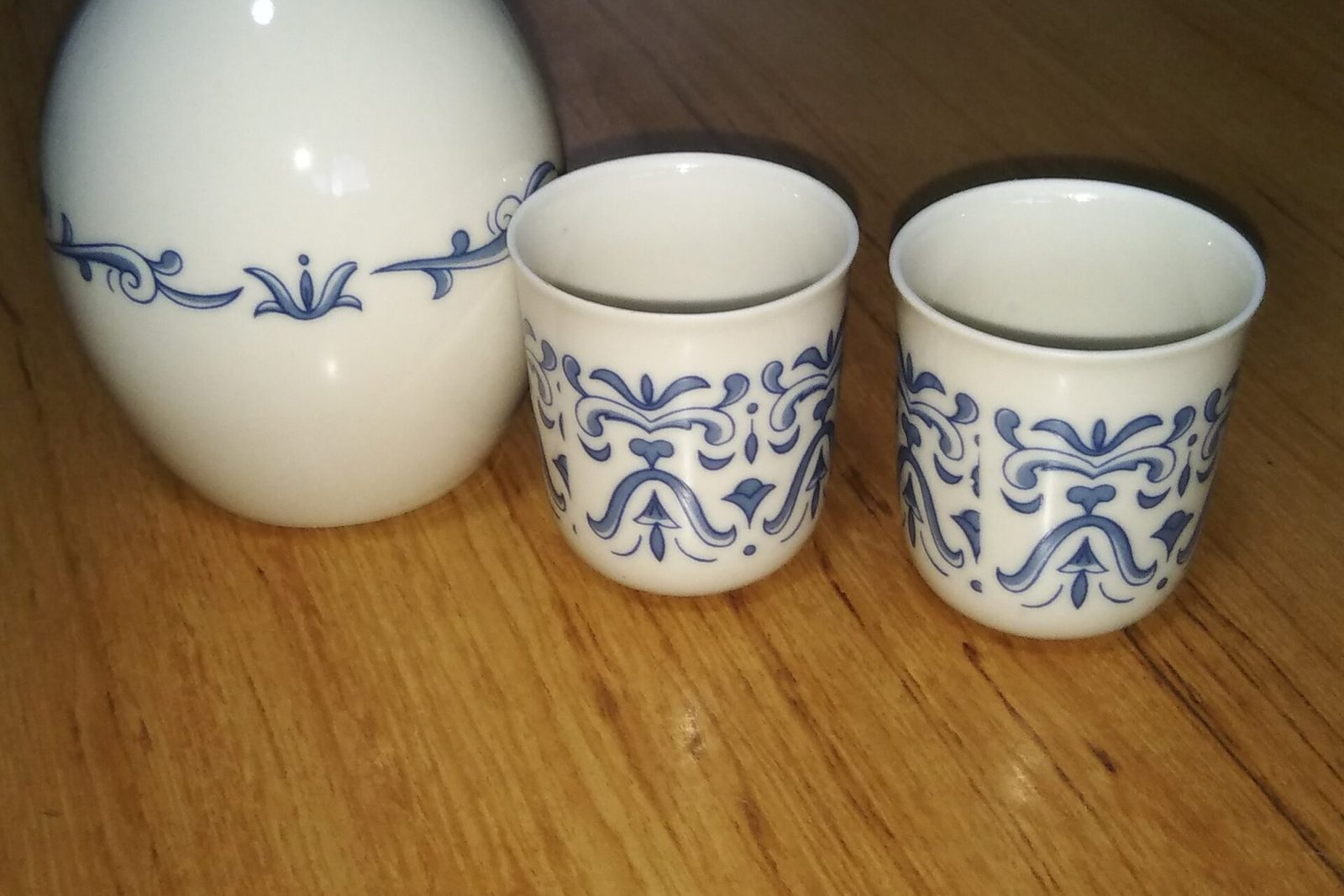
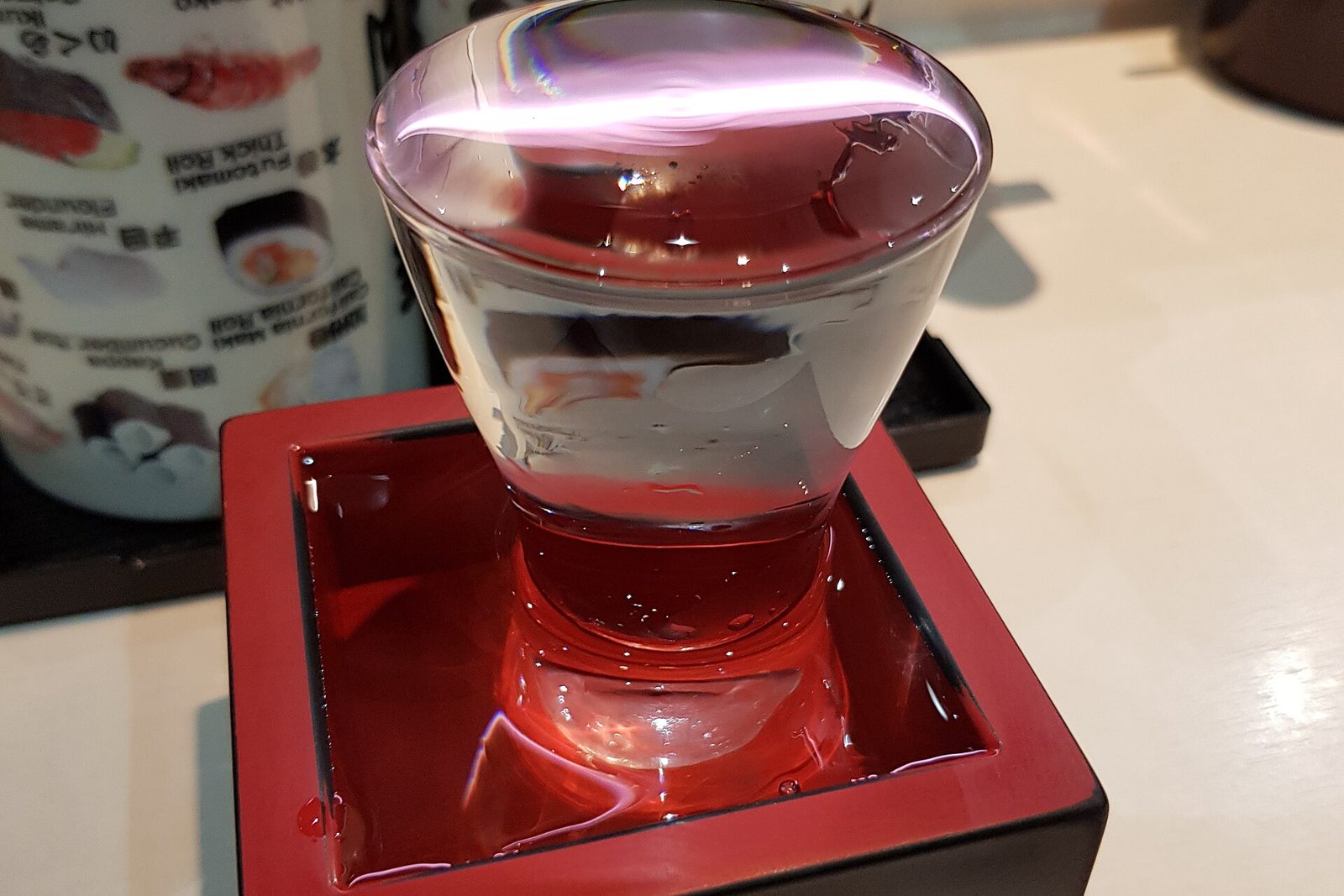
And remember yawaragi-mizu, “softening water”: drinking about as much water as sake between sips slows the effect of the alcohol and refreshes your palate for the next glass.
In Japan, drinking under the age of 20 is prohibited by law. Avoid alcohol when pregnant or breastfeeding, and never drink and drive. Drink in moderation and to suit how you feel.
Summary
- Sake is made from rice, rice koji and water, by a rare multiple parallel fermentation.
- Read the label by polishing ratio and whether brewer's alcohol is added: junmai is rice and koji only; daiginjo is polished to 50% or less.
- From an 8th-century chronicle through temple sake, Edo's kudari-zake and the age of science to UNESCO listing in 2024.
- Hyogo, Kyoto and Niigata lead by volume; Niigata has the most breweries. Water makes Nada's sake bold and Fushimi's gentle.
- Enjoy how sake changes with temperature, with yawaragi-mizu at your side.
References
- National Tax Agency: history of Japanese alcoholic drinks (Japanese)
- nippon.com: Nada sake and miyamizu (Japanese)
- National Tax Agency: labelling standards for sake (Japanese)
- MAFF “aff”: how sake is made (Japanese)
- Mynavi Agri: sake rice varieties (Japanese)
- National Tax Agency: survey of the sake industry (Japanese)
- National Tax Agency: alcohol statistics handbook (Japanese)
- Gendai Business: brewing water of famous regions (Japanese)
- Niigata Tourism: Niigata sake (Japanese)
- National Tax Agency: geographical indications for alcohol (Japanese)
- National Tax Agency: traditional sake-making and UNESCO (Japanese)
- nippon.com: sake exports in 2025 (Japanese)
- Gendai Business: sake meter value and sweetness (Japanese)
- FUN! JAPAN: sake temperatures and their names (Japanese)
- Wa-raku web: sugidama (Japanese)
Figures are from published sources at the time of writing. Photos are from Wikimedia Commons under licences that allow reuse; photographers and licences are credited under each photo. Diagrams, illustrations and the map are my own (the map uses data based on the Geospatial Information Authority of Japan's Global Map Japan).
Food Notes No. 7 — The story of sake / 2026.10