Travel Notes / 2026 ・ No.04
Tokyo in a Day from Ikebukuro
The subway to the Imperial Palace, Ueno and Asakusa: Edo, Meiji and old downtown in one loop
Published
Leave Ikebukuro at half past eight on the Marunouchi Line for Tokyo Station. Walk from the red-brick station
to Nijubashi and through the East Gardens on the site of Edo Castle, then take the Chiyoda Line to Ueno for Shinobazu Pond,
Ameyoko, Toshogu and the Tokyo National Museum. End in Asakusa at dusk, then loop back to Ikebukuro. Timed to each train and stop.
How the route works
The route goes south from Ikebukuro to Tokyo Station, north to Ueno, east to Asakusa, and back to Ikebukuro on the Yamanote Line. On the map it is a clockwise loop around the city centre. Nothing is doubled back, so no time is lost retracing your steps.
Three ideas shaped it:
- The palace first thing — the East Gardens open at 9:00 and stop admitting visitors at 16:00. The grounds are wide and short on shade, so walk them in the cool, quiet morning
- The subway for one hop at a time — Otemachi to Yushima and Ueno to Asakusa are both about five minutes. Everything else is on foot, so you feel how the neighbourhoods join up
- Asakusa from dusk into night — Senso-ji’s main hall closes at 17:00. Arrive late afternoon to pray at the hall, then see Asakusa lit up from a rooftop and the river before heading home
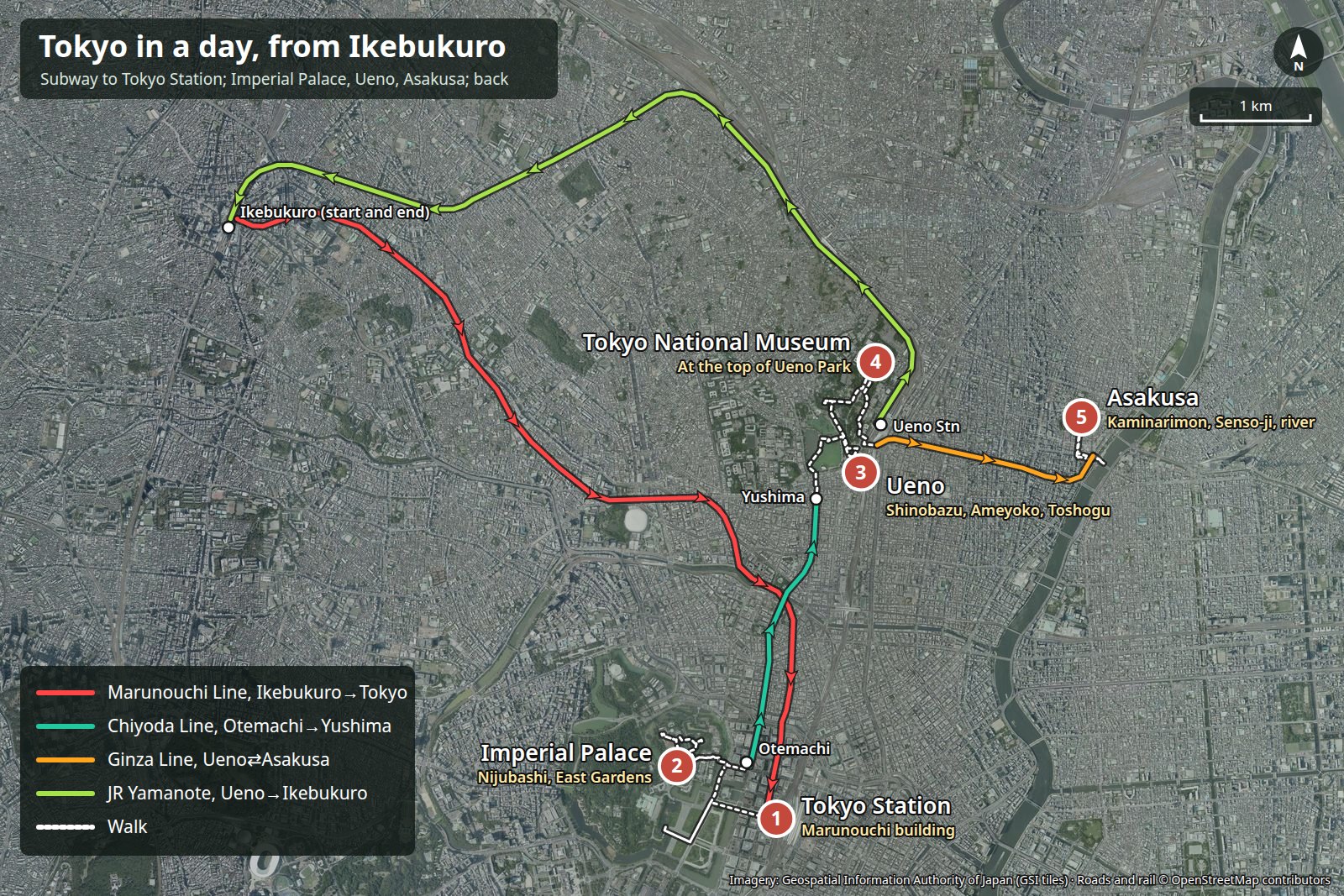
The five stops, in map order:
| No. | Stop | In a line |
|---|---|---|
| ① | Tokyo Station | The red-brick Marunouchi building and Gyoko-dori, the avenue to the palace |
| ② | Imperial Palace | Nijubashi, and the East Gardens on the site of Edo Castle’s inner citadel |
| ③ | Ueno | Shinobazu Pond, lunch in Ameyoko, the Saigo statue and Ueno Toshogu |
| ④ | Tokyo National Museum | At the back of Ueno Park; Japan’s oldest museum |
| ⑤ | Asakusa | Kaminarimon, Nakamise, Senso-ji and the Sumida River at night |
The day, hour by hour
Take the 8:30 Marunouchi Line from Ikebukuro, at Tokyo Station by 8:47. The palace in the morning, Ueno from midday, Asakusa from late afternoon, then the 19:05 Ginza Line from Asakusa and the Yamanote Line, back in Ikebukuro at 19:34.
How the day splits (numbers are the stops on the map)
One example, checked against the October 2026 Saturday timetable
| Time | Leg | How / how long | Notes |
|---|---|---|---|
| 08:30 | Ikebukuro → Tokyo (08:47) | Marunouchi Line, 17 min, ¥210 | Starts at Ikebukuro, so you can sit |
| 08:50 | ① Marunouchi building, Gyoko-dori | About 30 min | Out through the Marunouchi Central exit |
| 09:20 | Gyoko-dori → Kokyo Gaien | Walk, about 15 min | Cross Uchibori-dori to the plaza |
| 09:35 | ② Kokyo Gaien, Nijubashi | About 25 min | The stone and iron bridges from the plaza |
| 10:00 | Nijubashi → Otemon | Walk, about 20 min | North along the inner moat, past Kikyomon |
| 10:20 | ② East Gardens | About 1 h 20 min | Otemon → Hyakunin-bansho → Ninomaru Garden → Honmaru and keep base → Otemon. Free |
| 11:40 | Otemon → Otemachi Station | Walk, about 5 min | To the Chiyoda Line platforms |
| 11:54 | Otemachi → Yushima (11:58) | Chiyoda Line, 4 min, ¥180 | Also 11:49 and 11:59 |
| 12:05 | ③ Shinobazu Pond, Bentendo | About 30 min | 5 min walk from Yushima |
| 12:35 | ③ Lunch in Ameyoko | About 55 min | Seafood bowls, skewers, street food |
| 13:30 | ③ Saigo statue, Ueno Toshogu | About 50 min | Golden Hall entry ¥700 |
| 14:20 | ④ Tokyo National Museum | About 1 h 10 min | Regular exhibitions ¥1,000 |
| 15:30 | Museum → Ueno Station | Walk, about 15 min | South through Ueno Park |
| 15:45 | Ueno → Asakusa (15:50) | Ginza Line, 5 min, ¥180 | About every 3 min by day |
| 15:55 | ⑤ Kaminarimon, Nakamise, Senso-ji | About 1 h | The main hall closes at 17:00 |
| 17:00 | ⑤ Asakusa Culture Tourist Information Center terrace | About 30 min | 8th floor, free. Sunset around 17:15 |
| 17:30 | ⑤ Azumabashi and the Sumida River | About 30 min | Skytree by night |
| 18:00 | Dinner in Asakusa | About 1 h | Tempura, sukiyaki, monjayaki |
| 19:05 | Asakusa → Ueno → Ikebukuro (19:34) | Ginza Line + JR Yamanote Line, 29 min, ¥390 | Change at Ueno (dep. 19:18). One earlier: 18:50, arr. 19:18 |
From Tokyo Station to Yushima and Asakusa, most of the day is on foot, about 12 km in all. If you tire, cut back early, for example by skipping the keep base in the East Gardens (see 11).
Tickets and budget
Four train rides come to ¥960 in all. A Tokyo Metro 24-hour ticket (¥700) saves only ¥50 on the ¥750 of Metro fares. Unless you plan extra hops to make the most of it, an IC card is the simplest way to ride.
| Item | Per adult | Notes |
|---|---|---|
| Ikebukuro → Tokyo (Marunouchi Line) | ¥210 | ¥209 by IC card |
| Otemachi → Yushima (Chiyoda Line) | ¥180 | ¥178 by IC card |
| Ueno → Asakusa (Ginza Line) | ¥180 | ¥178 by IC card |
| Asakusa → Ikebukuro (Ginza Line + JR) | ¥390 | Metro ¥180 + JR ¥210. ¥387 by IC card |
| Kokyo Gaien and the East Gardens | Free | No booking for the East Gardens |
| Ueno Toshogu Golden Hall | ¥700 | The grounds are free; you can just look from outside |
| Tokyo National Museum, regular exhibitions | ¥1,000 | Special exhibitions extra |
| Senso-ji and the rooftop terrace | Free | |
| Lunch, dinner, snacks | ¥4,000–6,000 | Roughly ¥1,000–2,000 for lunch, ¥2,000–3,000 for dinner |
| Total, roughly | ¥7,000–9,000 | Souvenirs extra |
The 24-hour ticket runs for 24 hours from the first gate you pass. If detours might add one or two more Metro rides, buy it at Ikebukuro in the morning (the JR leg home is paid separately). Prices are published fares and search results as of October 2026.
① Tokyo Station and Gyoko-dori
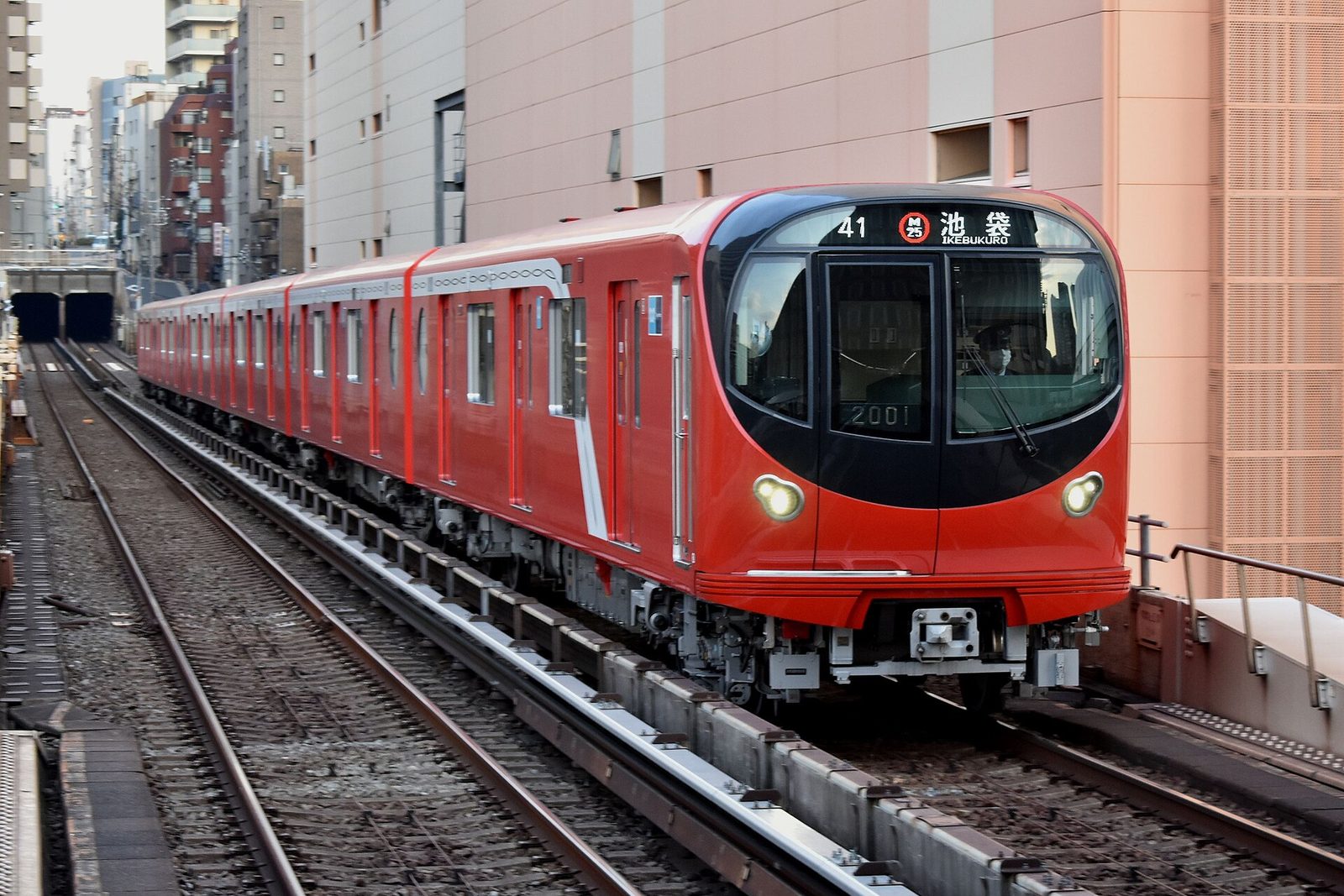
Start at Ikebukuro on the red Marunouchi Line to Tokyo Station. Ikebukuro is the end of the line, so you can sit for the 17 minutes. Around Myogadani and Korakuen, and where it crosses the Kanda River at Ochanomizu, the train comes up into daylight.
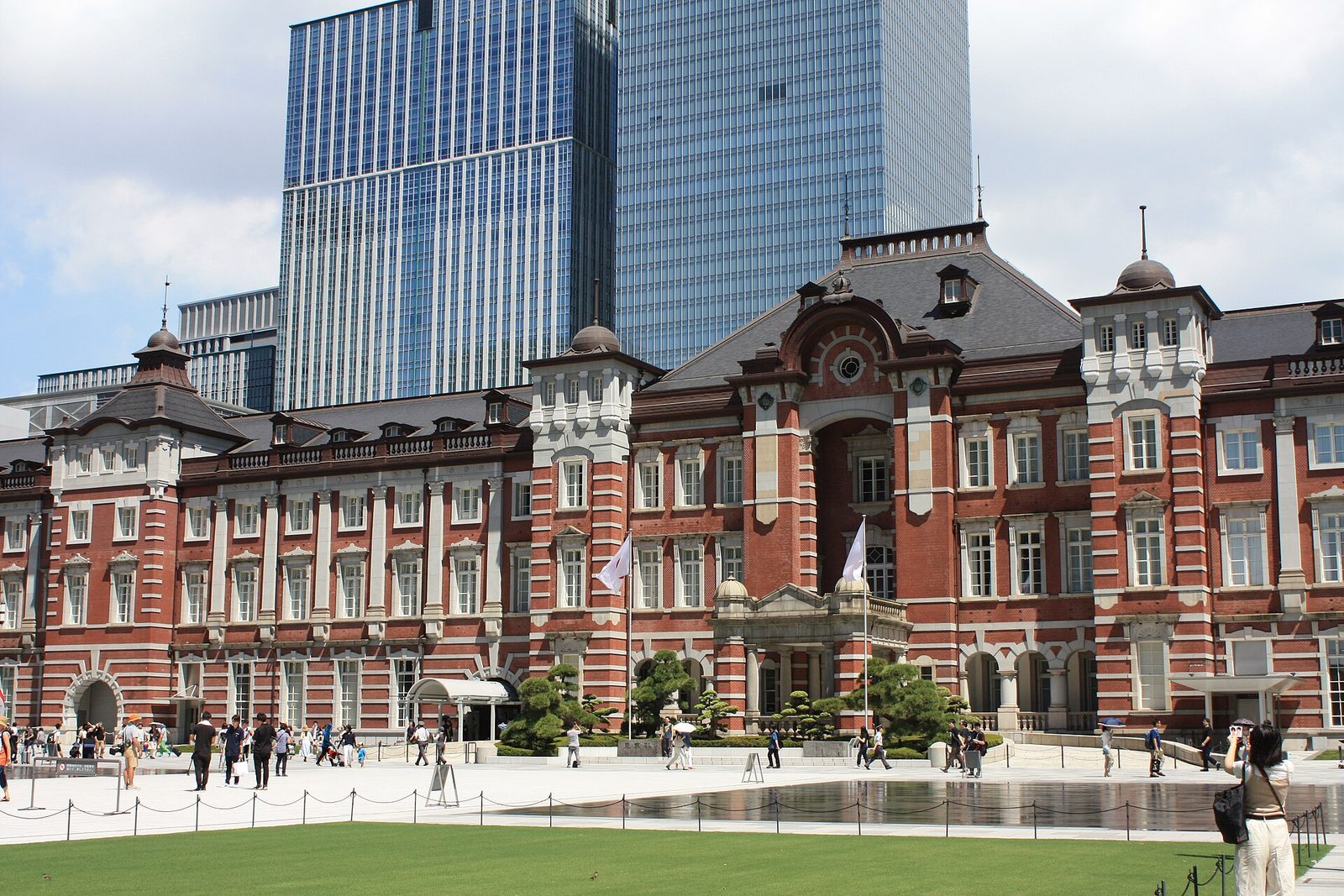
At Tokyo Station, leave by the Marunouchi Central exit. Turn around and the long red-brick station fills the view.
The Marunouchi building was designed by Tatsuno Kingo and completed in 1914. It lost its third floor and domes in the war and stood at two storeys for decades until 2012, when it was restored to its original form. It is an Important Cultural Property. Stand halfway along Gyoko-dori, the avenue running from the station plaza to the palace, to take in the whole facade.
- The domes — under the domes at each end are tall halls you can look up into from the concourse outside the ticket gates; the ceiling reliefs have been restored too
- Gyoko-dori — a broad tree-lined avenue linking palace and station. The ginkgos turn gold in late November
- From above — the roof or upper floors of KITTE or the Marunouchi Building across the plaza look down on the station (check each building’s hours)
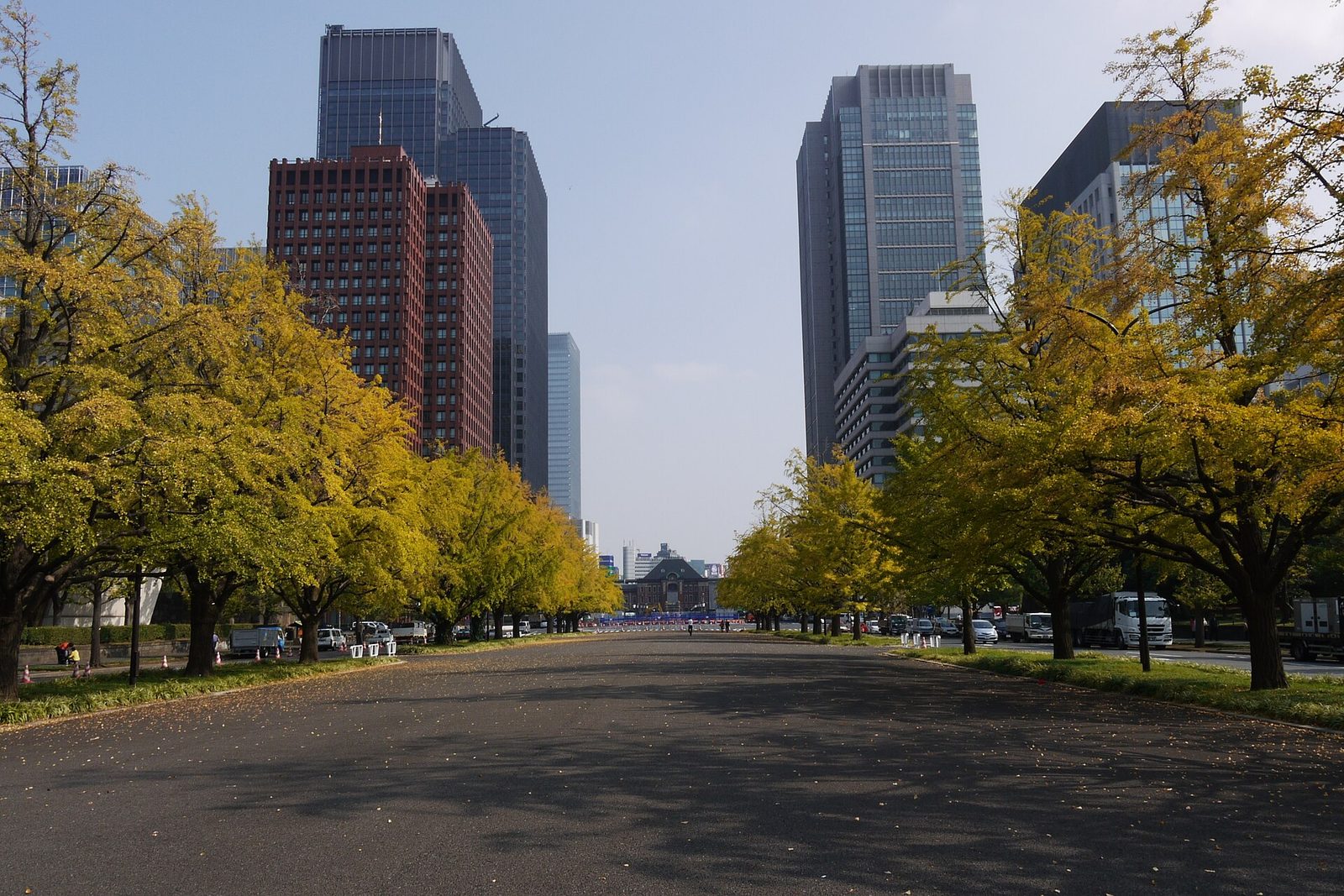
② The palace: Nijubashi to Otemon
Walk Gyoko-dori to the palace and cross the inner moat into Kokyo Gaien, the pine-dotted Imperial Palace Plaza. Cut diagonally across it, and across the moat you will see Nijubashi.
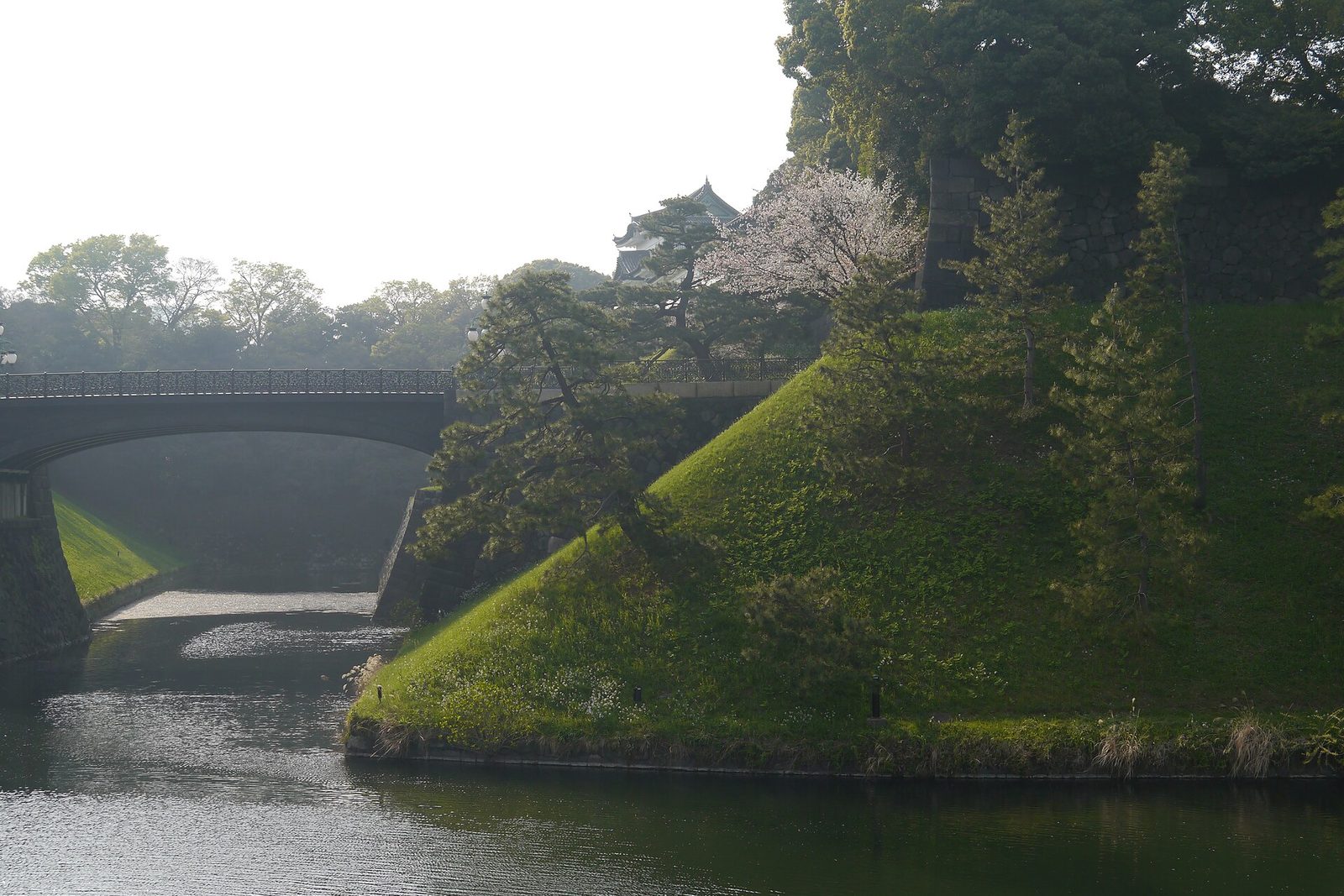
The way to the palace’s main gate crosses the moat twice: the arched Seimon Ishibashi stone bridge in front and the Seimon Tekkyo iron bridge behind. “Nijubashi”, the double bridge, properly means the iron one; the name is said to come from the two-tier girders of the wooden Edo-period bridge. On the walls above stands the Fushimi-yagura turret, a survivor of Edo Castle.
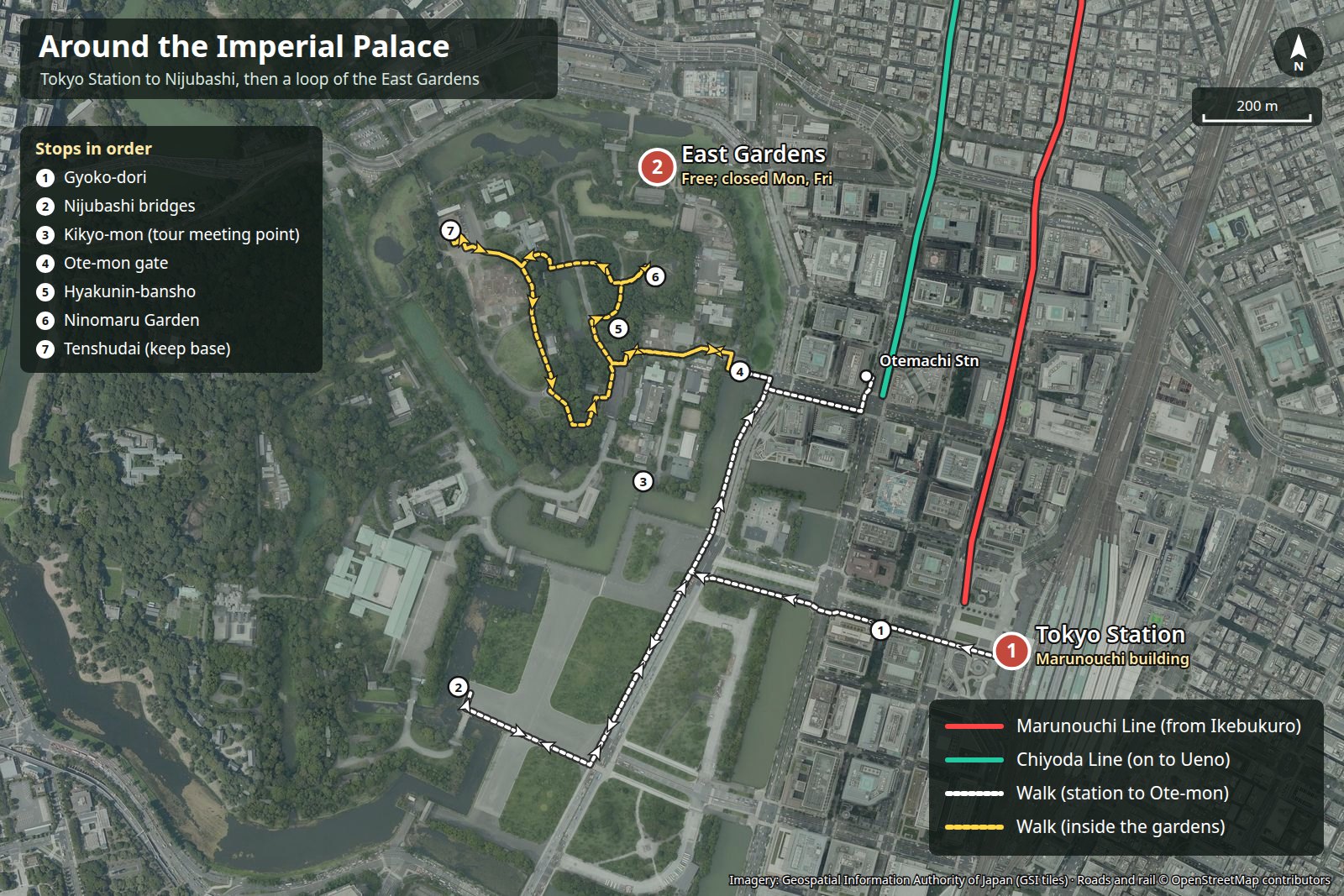
From Nijubashi, follow the inner moat north. On the way you pass Kikyomon, where guided tours of the palace grounds meet (see 11). A little further on is Otemon, the entrance to the East Gardens.
② The East Gardens: walking Edo Castle
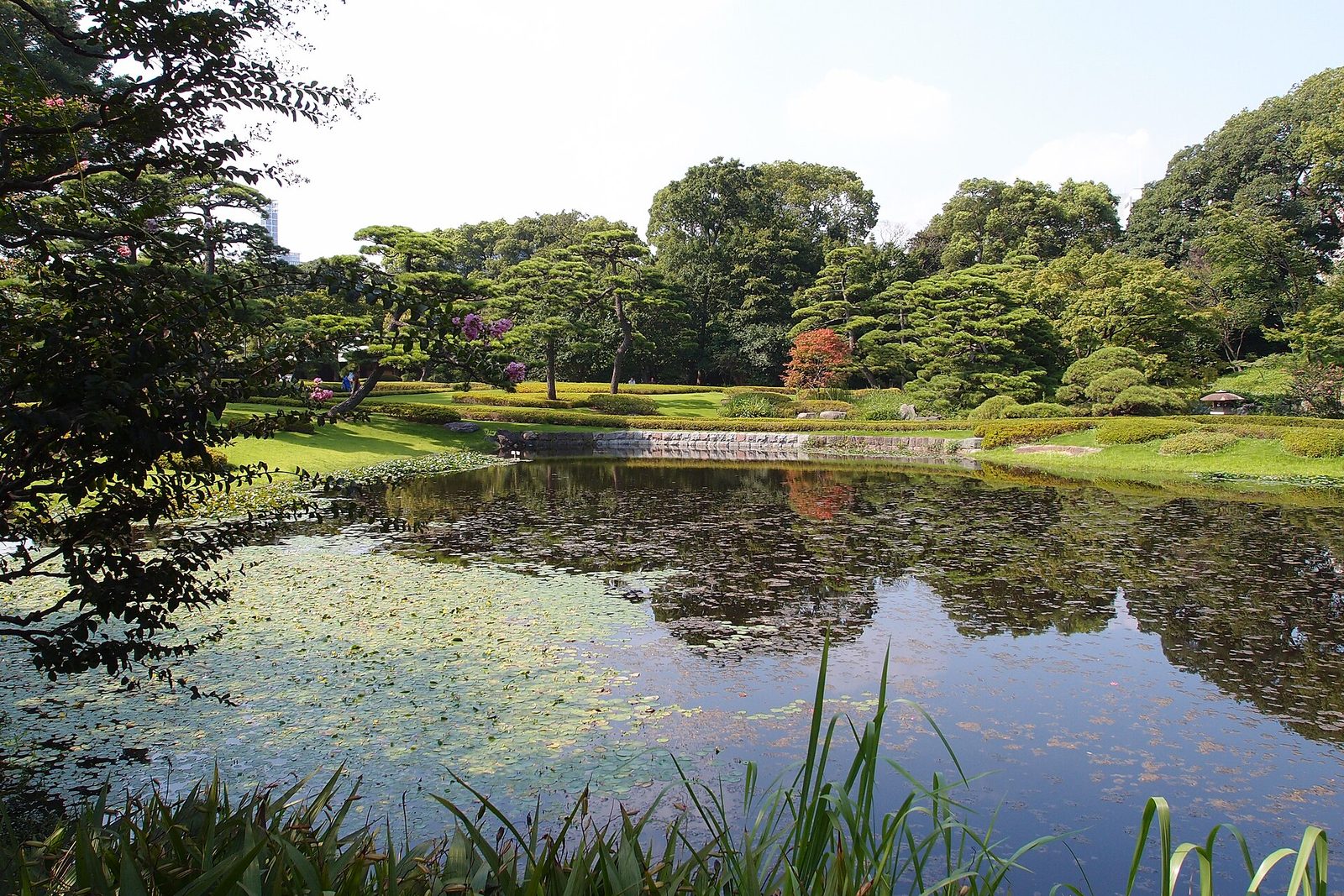
The East Gardens of the Imperial Palace open parts of Edo Castle’s Honmaru, Ninomaru and Sannomaru enclosures to the public as a garden. Entry is free and needs no booking. Take an entry token at Otemon and hand it back at the gate on your way out.
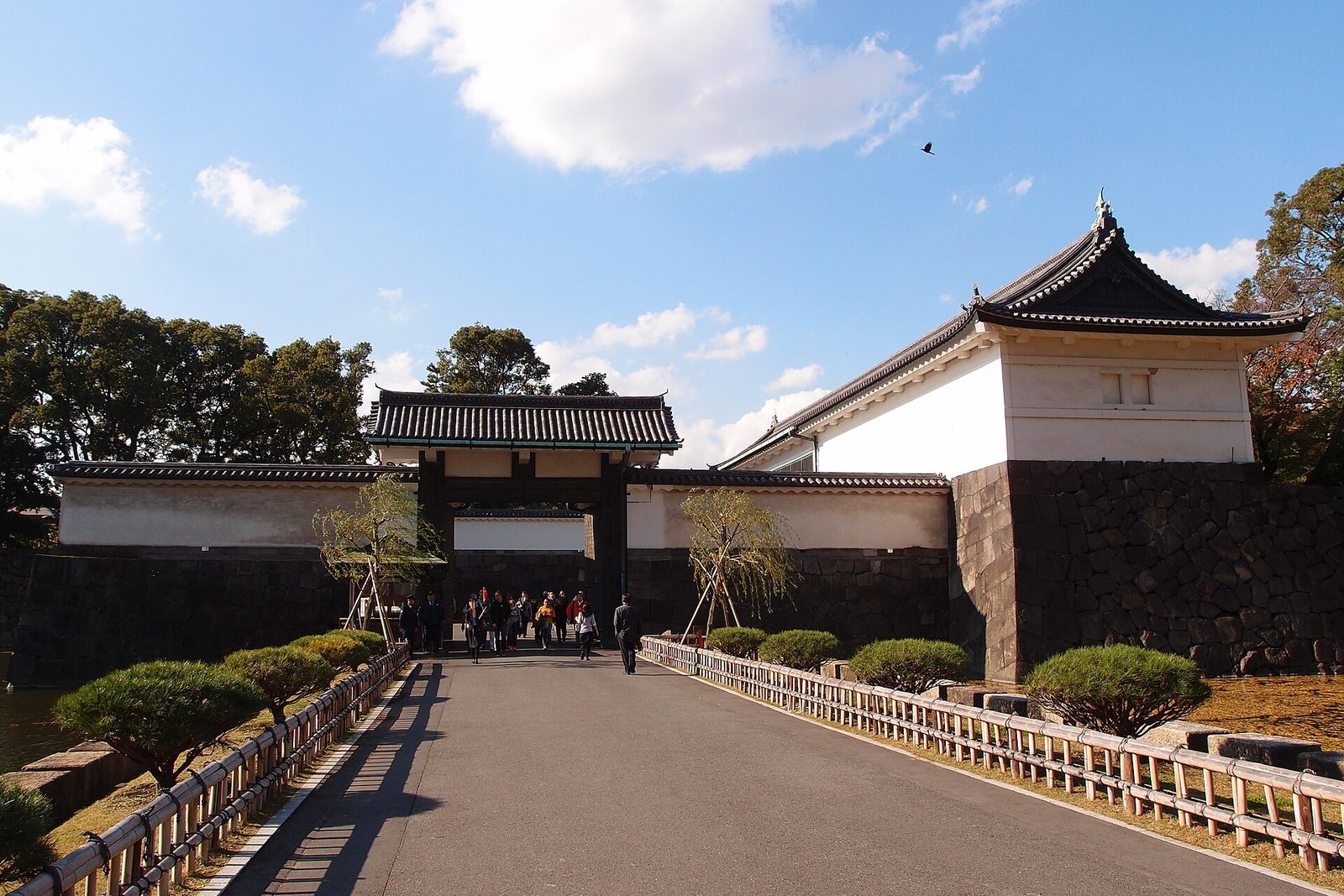
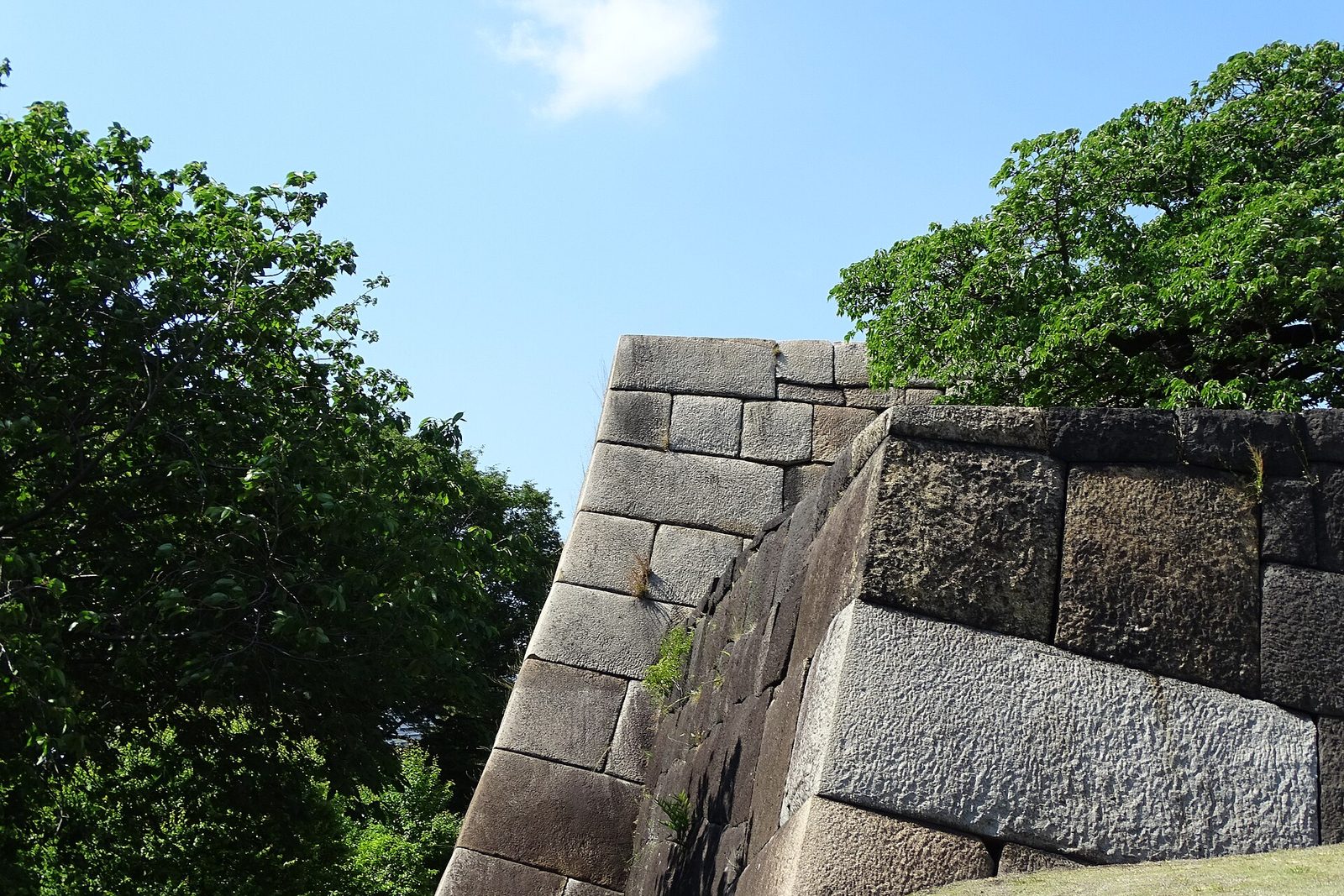
Right in the middle of Tokyo, you can walk freely among Edo Castle’s gates, guardhouses and stone walls, still standing. On the Honmaru lawn, with towers on the skyline, it sinks in that this was the shoguns’ castle for more than 260 years.
Follow the yellow line on the map:
- Otemon — the castle’s main gate, through which the feudal lords came to court
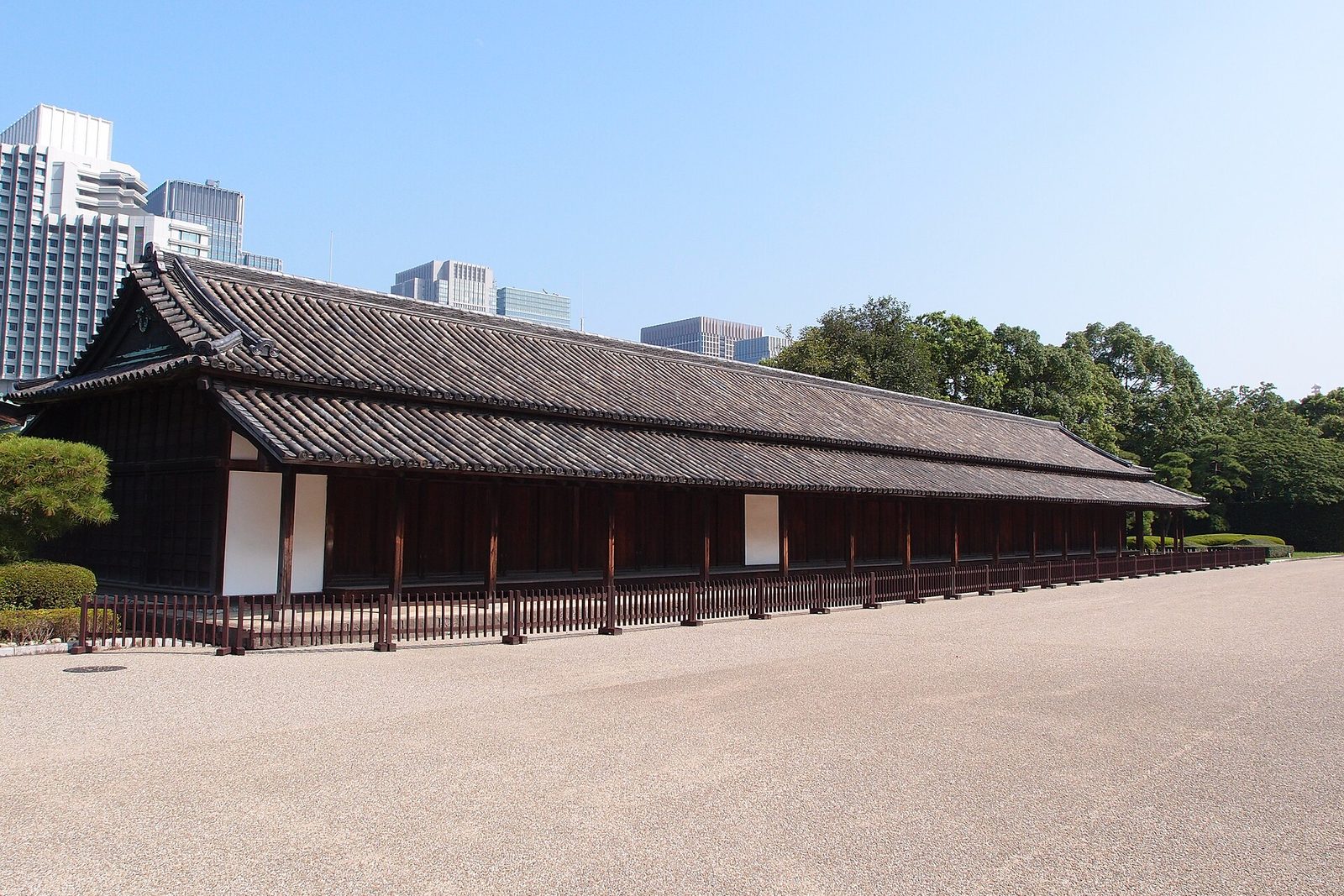
- Hyakunin-bansho — a guardhouse over 50 m long on the road up to the Honmaru, manned day and night by a hundred musketeers
- Ninomaru Garden — a stroll garden around a pond, full of seasonal flowers, with autumn colour from late October
- Honmaru and the keep base — climb the Shiomizaka slope to the broad lawn of the Honmaru. At the far end is the base of the castle keep, left bare after the keep burned in the Great Fire of Meireki in 1657 and was never rebuilt
| Item | Details |
|---|---|
| Hours | From 9:00 (in October until 16:30, last entry 16:00). Closing time varies by season |
| Closed | Mondays and Fridays (open on national holidays; when Monday is a holiday, closed Tuesday instead), 28 December–3 January |
| Gates | Otemon (about 5 min from Otemachi Station), Hirakawamon, Kitahanebashimon (about 5 min from Takebashi Station) |
Just inside Otemon, the Museum of the Imperial Collections, Sannomaru Shozokan is closed while it prepares for its grand opening on 3 November 2026. From November on, add it to the route.
③ Ueno: Shinobazu Pond and Ameyoko
Back at Otemachi, the Chiyoda Line takes four minutes to Yushima. Walk north from the station and you are soon at Shinobazu Pond. Getting off at Yushima rather than Ueno lets you enter Ueno Park from the west of the pond and walk pond, Ameyoko and park in one easy line.
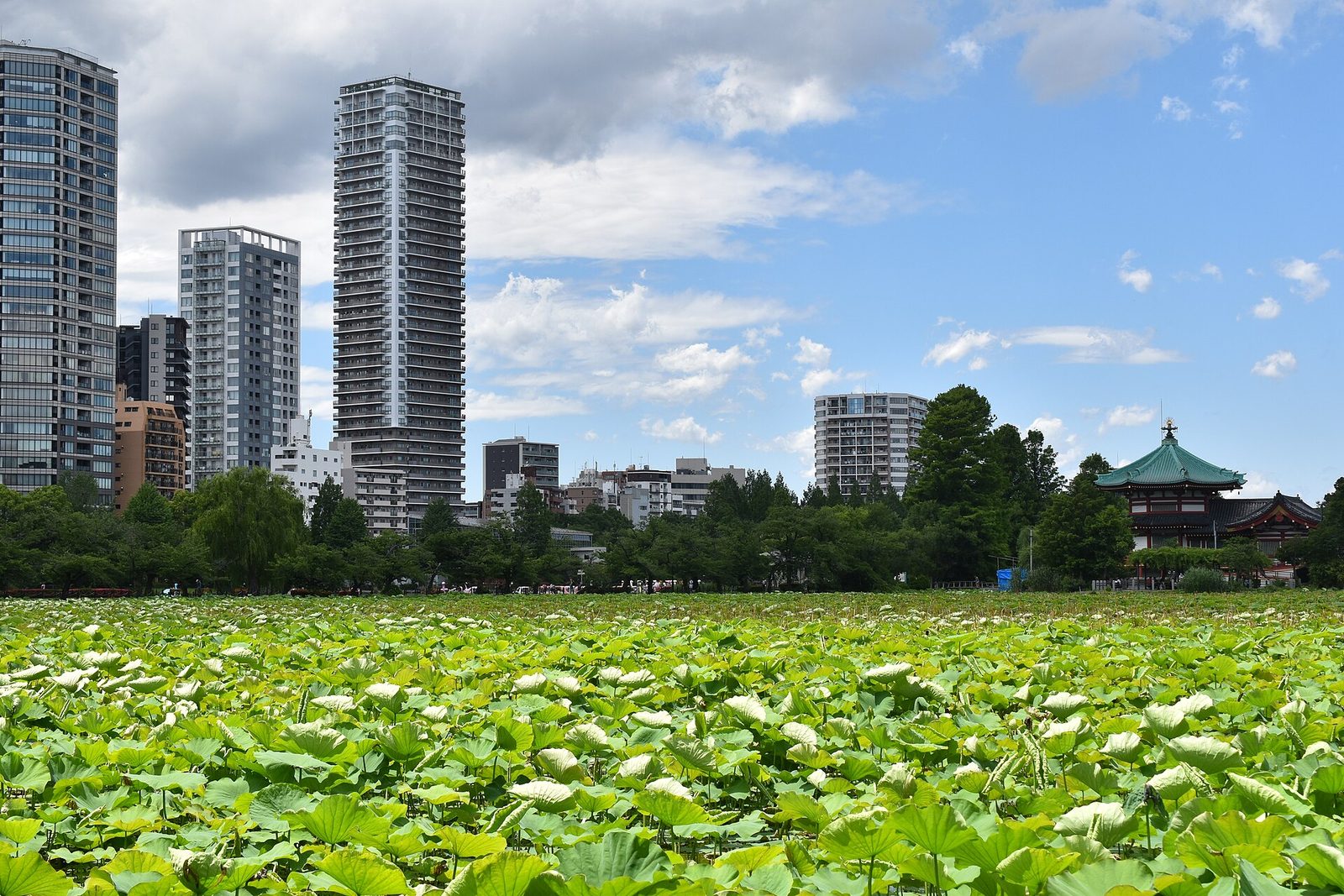
- Shinobazu Pond and Bentendo — a hall to the goddess Benzaiten on an island in the pond. The pond is famous for its lotuses: a sheet of flowers in summer, leaves turning colour in autumn
- From the pond to the station — head from the pond’s southeast corner toward Ueno Station, and the market street begins along the viaduct
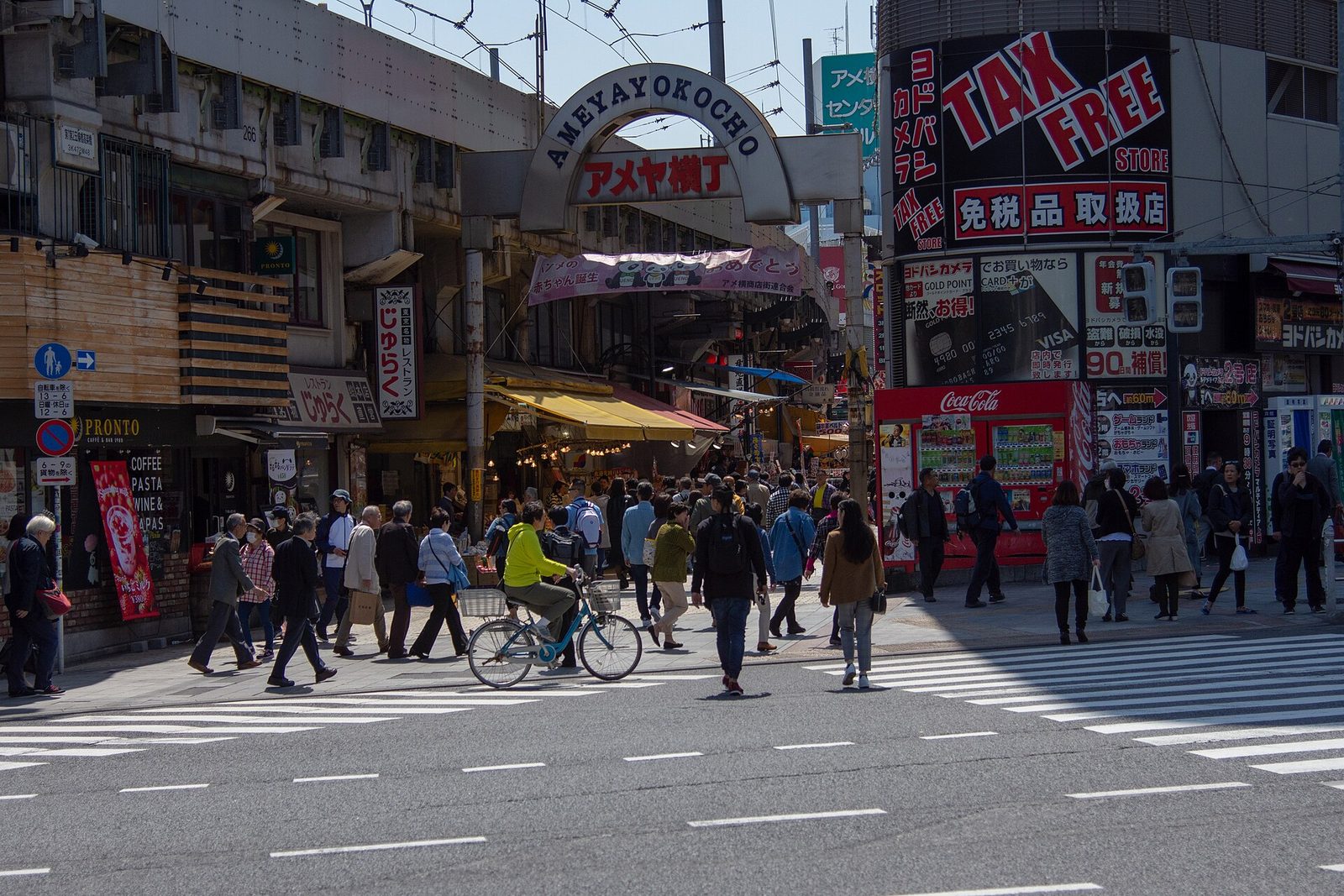
Ameyoko packs more than 400 shops into about 500 m along the railway viaduct between Ueno and Okachimachi stations. It began as a postwar black market; the name is said to come from its many candy (ame) sellers and its stalls of American goods. Have lunch here: a seafood bowl, grilled skewers or street food from around the world.
③④ Ueno Park: Toshogu and the museum
Walk back up Ameyoko toward Ueno Station and climb the steps into Ueno Park. On the rise at the entrance stands the statue of Saigo Takamori with his dog. From there head north through the park and along the approach, with a five-storey pagoda in view, to Ueno Toshogu.
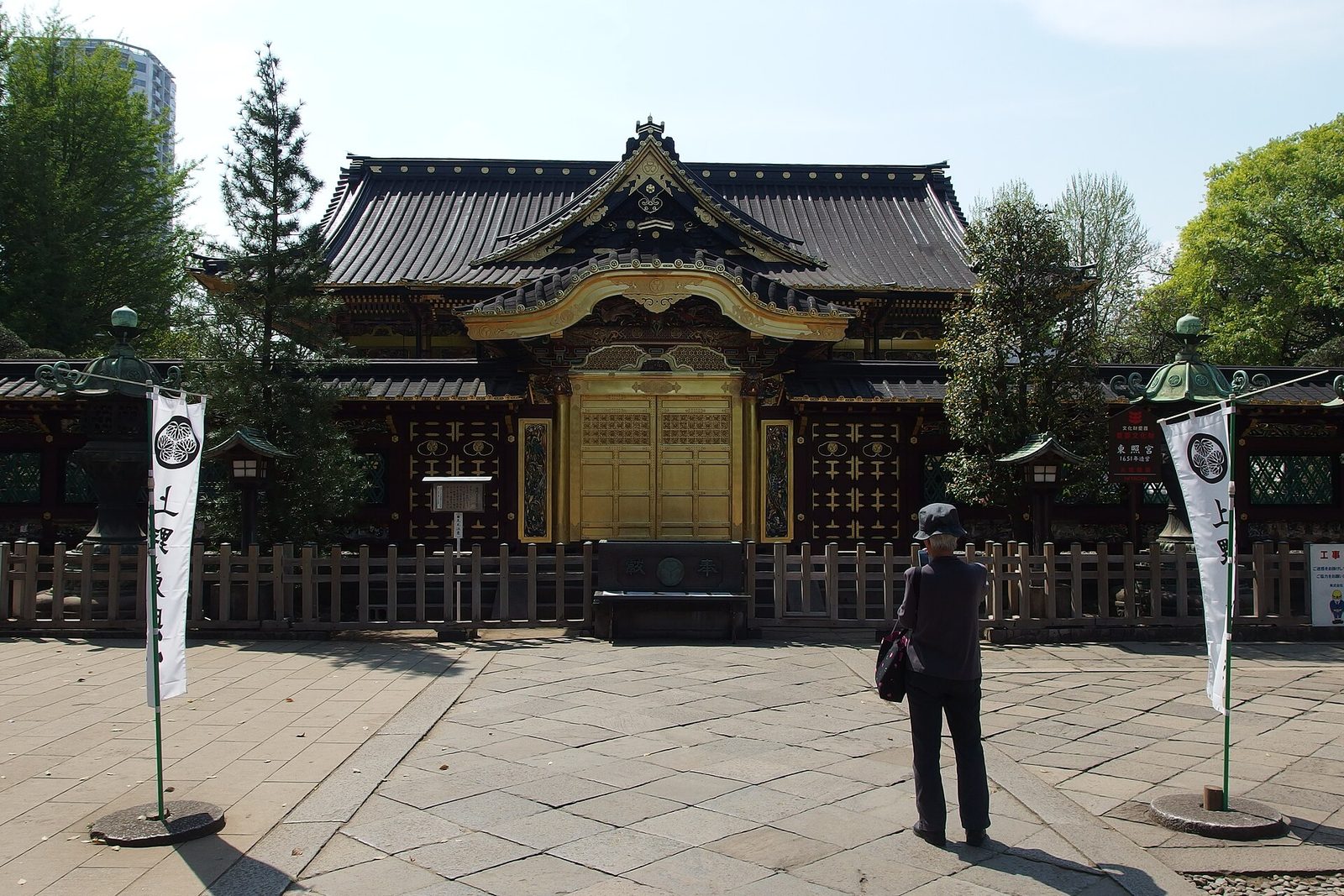
- Ueno Toshogu — a shrine to Tokugawa Ieyasu, founded in 1627. Its gold-leafed hall, the Konjikiden, is an Important Cultural Property. Grounds 9:00–16:30 (October–February); Golden Hall ¥700
- Peony garden — the shrine’s peony garden opens only in winter and spring, so it is closed in autumn
From Toshogu, cross the fountain plaza to the far end of the park. Ahead stands the tiled roof of the Tokyo National Museum’s main building.
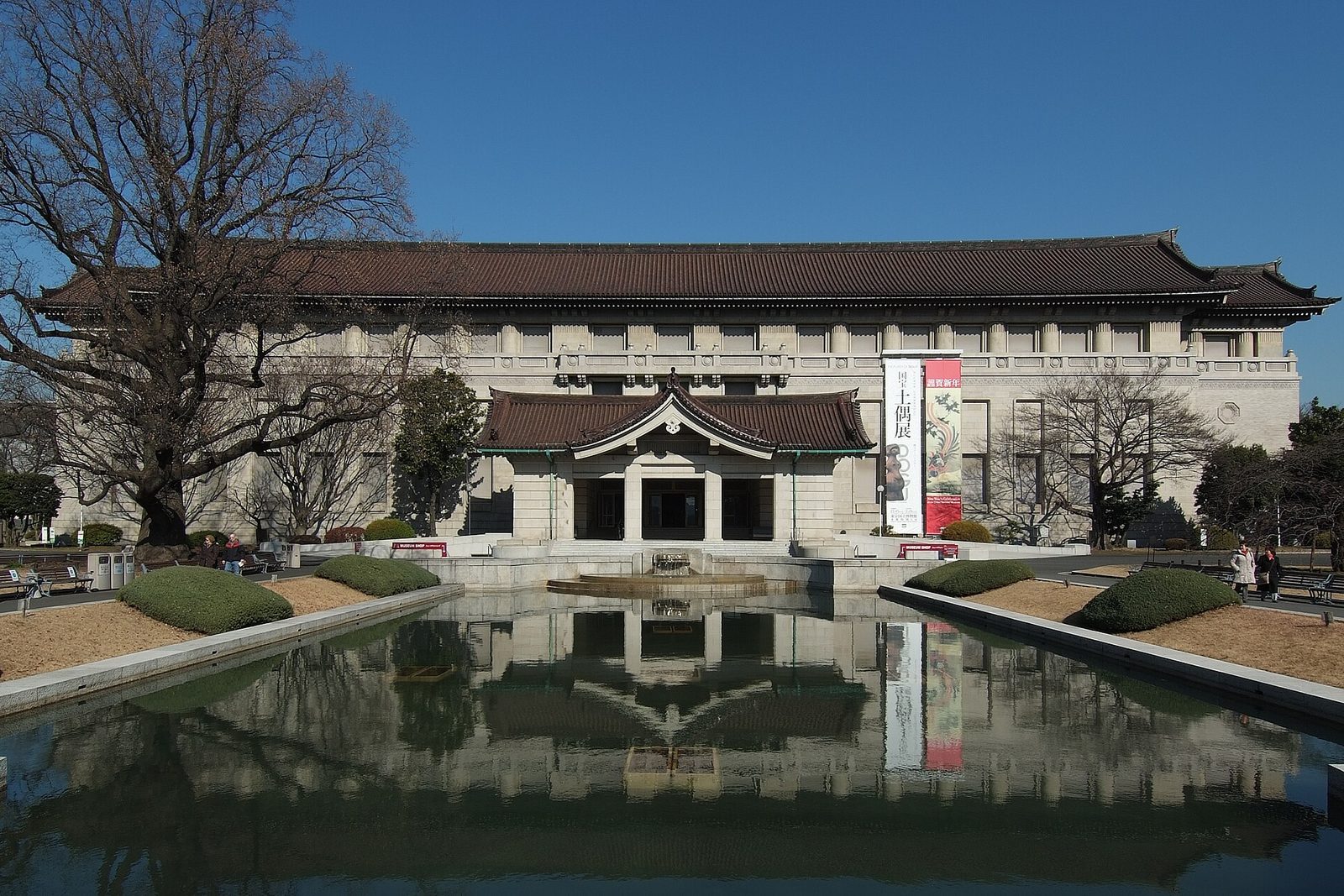
Founded in 1872, the Tokyo National Museum is Japan’s oldest museum. The “Highlights of Japanese Art” galleries in the Honkan take you in time order from the Jomon period to Edo, including National Treasures and Important Cultural Properties. An hour is enough for a loop of the second floor.
| Item | Details |
|---|---|
| Hours | 9:30–17:00; until 20:00 on Fridays, Saturdays (and Sundays before a Monday holiday). Last entry 30 minutes before closing |
| Closed | Mondays (if a holiday, open, and closed the next weekday instead), 26–31 December |
| Admission | Regular exhibitions ¥1,000 for adults (special exhibitions extra) |
If Western art is more your thing, swap in the National Museum of Western Art near the park entrance (permanent collection ¥500). Its main building, by Le Corbusier, is part of a World Heritage listing.
⑤ Asakusa: Kaminarimon to Senso-ji
From the museum, cut through the park to Ueno Station. The Ginza Line reaches Asakusa in five minutes.
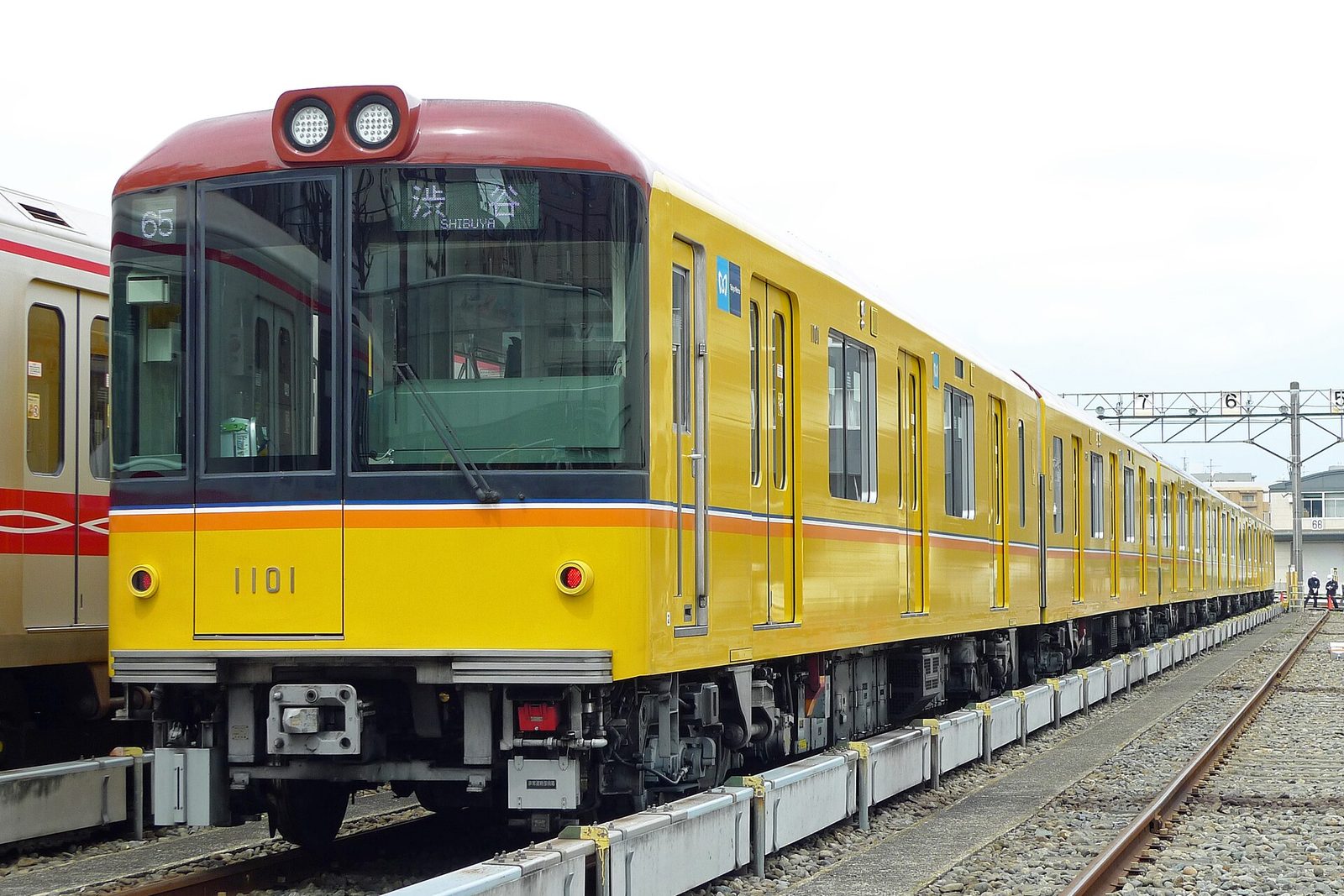
Ueno to Asakusa is the stretch of Japan’s first subway, opened in 1927. Today’s Ginza Line trains are painted yellow after the cars of those days. It is only five minutes, but a fitting ride to close the day.
Exit 1 at Asakusa brings you out just short of Kaminarimon.
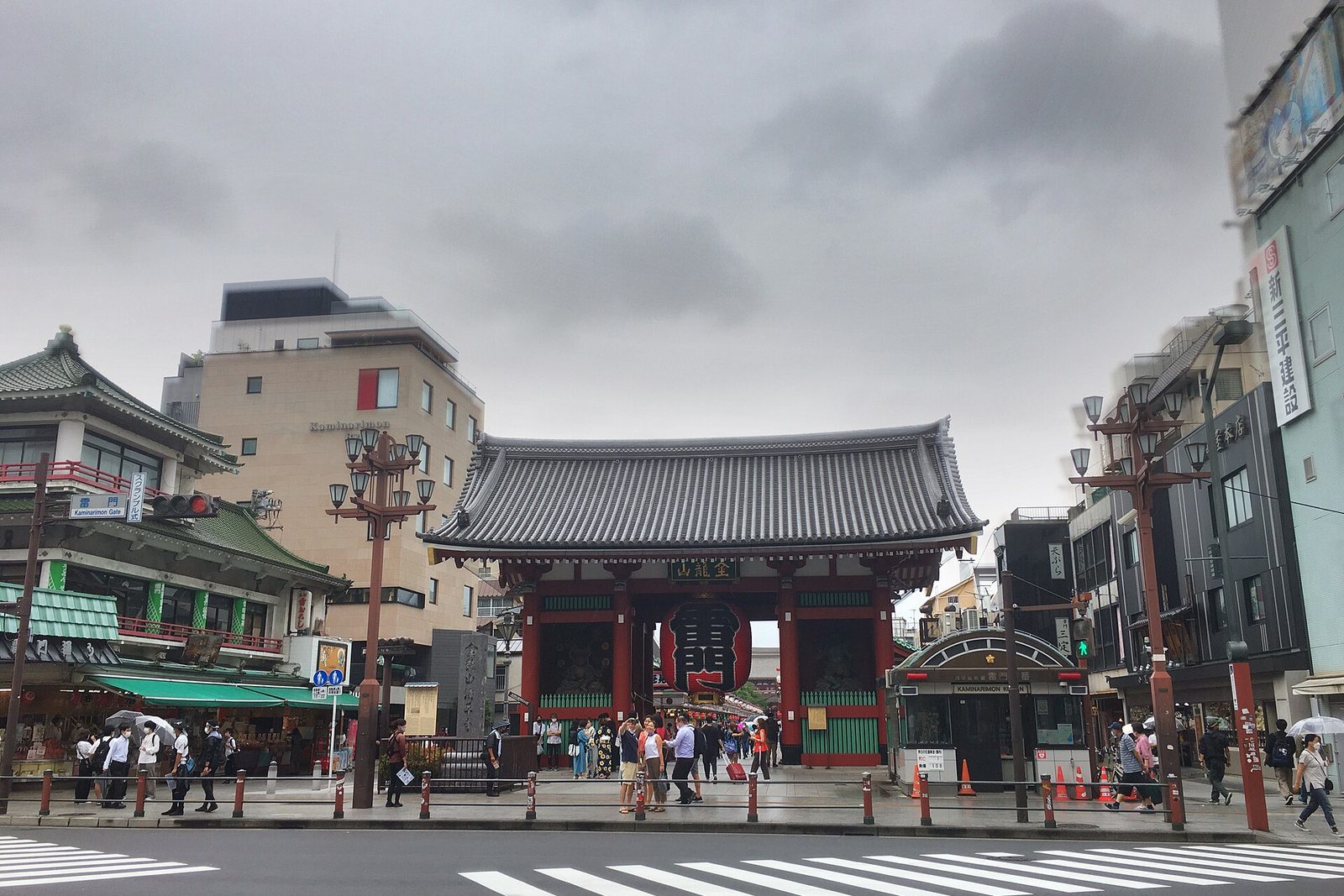
- Kaminarimon — Senso-ji’s outer gate. Facing the great lantern, the wind god is on the right and the thunder god on the left. The front of the gate is crowded; step back toward the intersection for photos
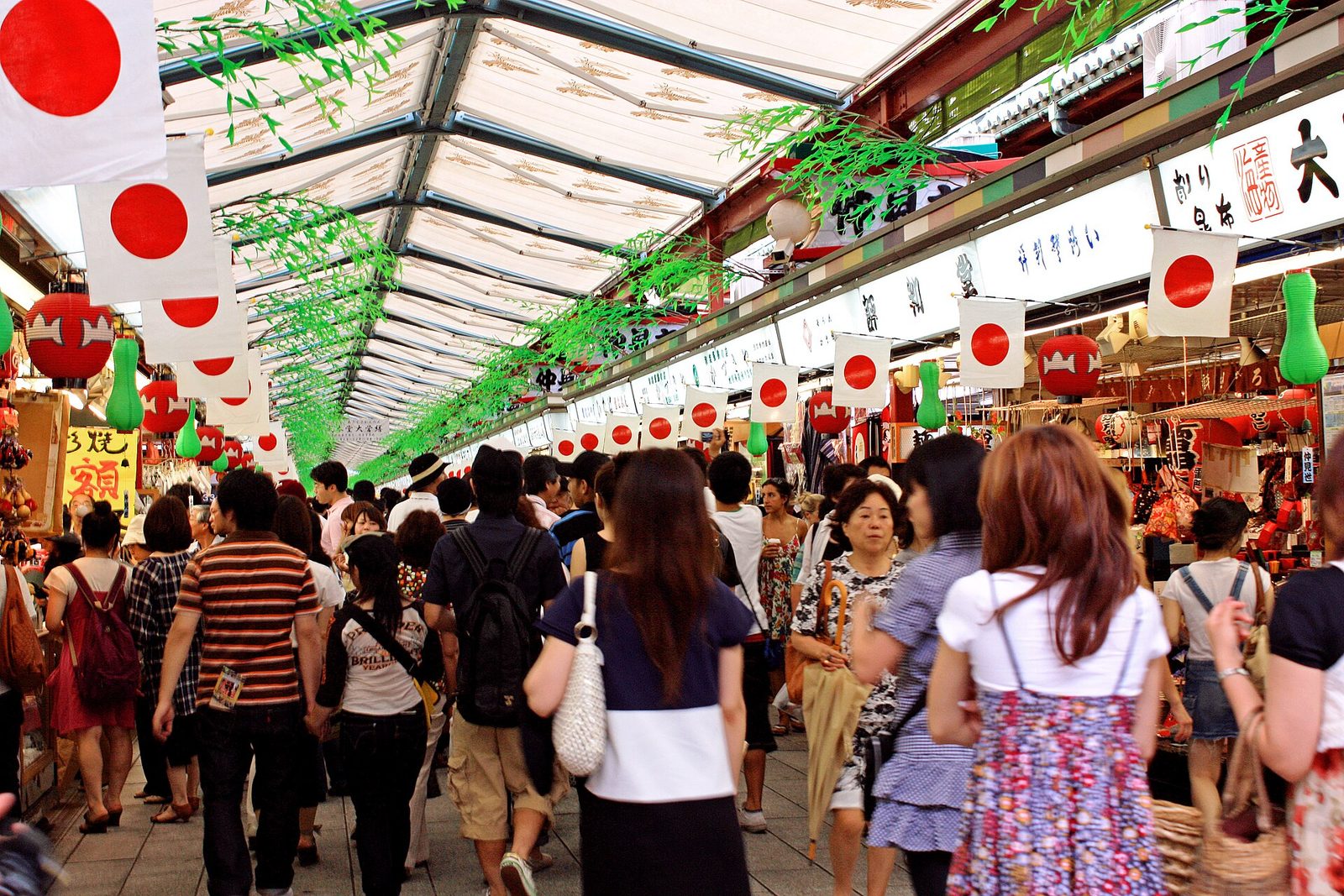
- Nakamise — about 250 m from Kaminarimon to Hozomon. Said to date from around 1685, it is one of Japan’s oldest shopping streets. Buy ningyo-yaki or fried manju, and eat at the shop before walking on
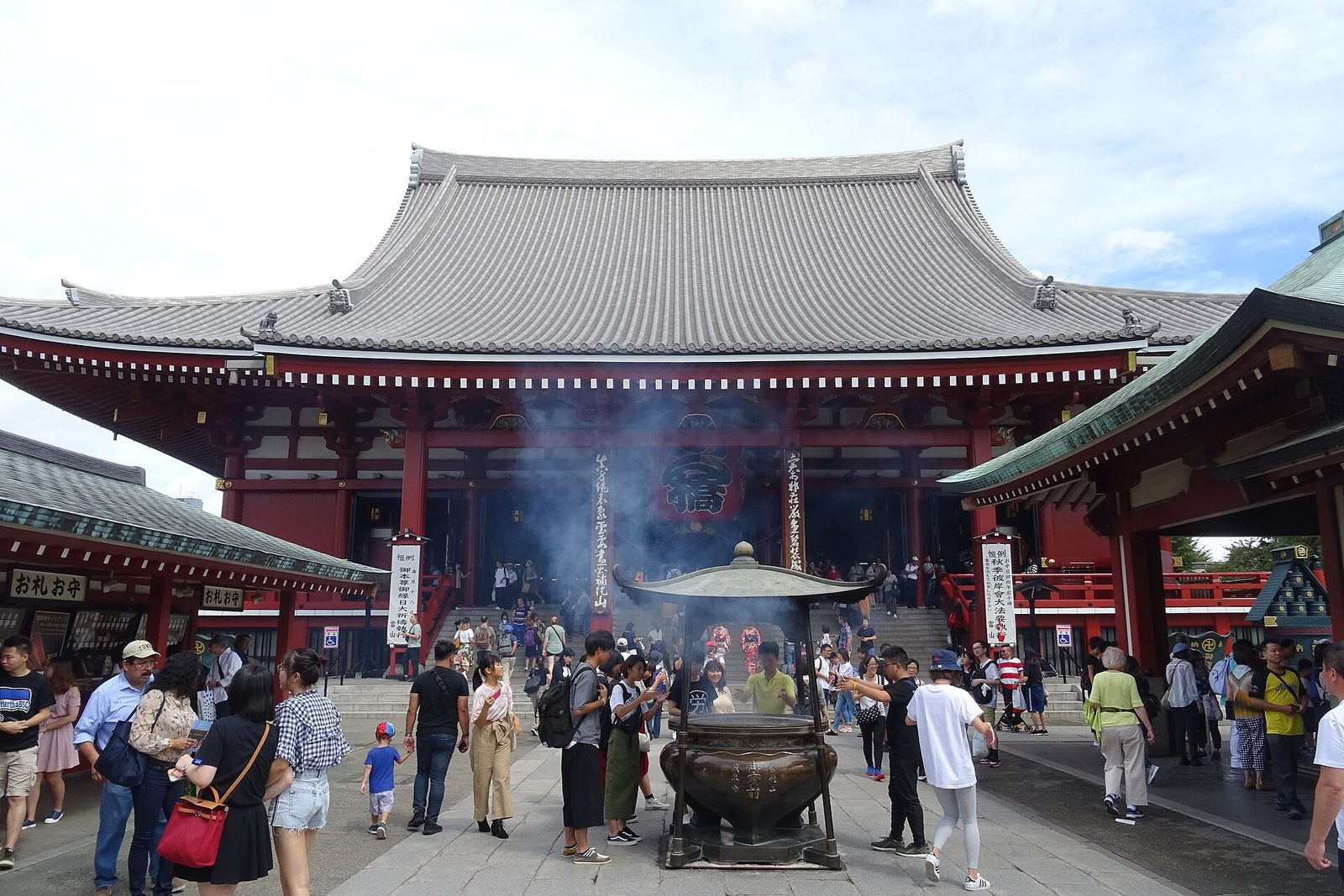
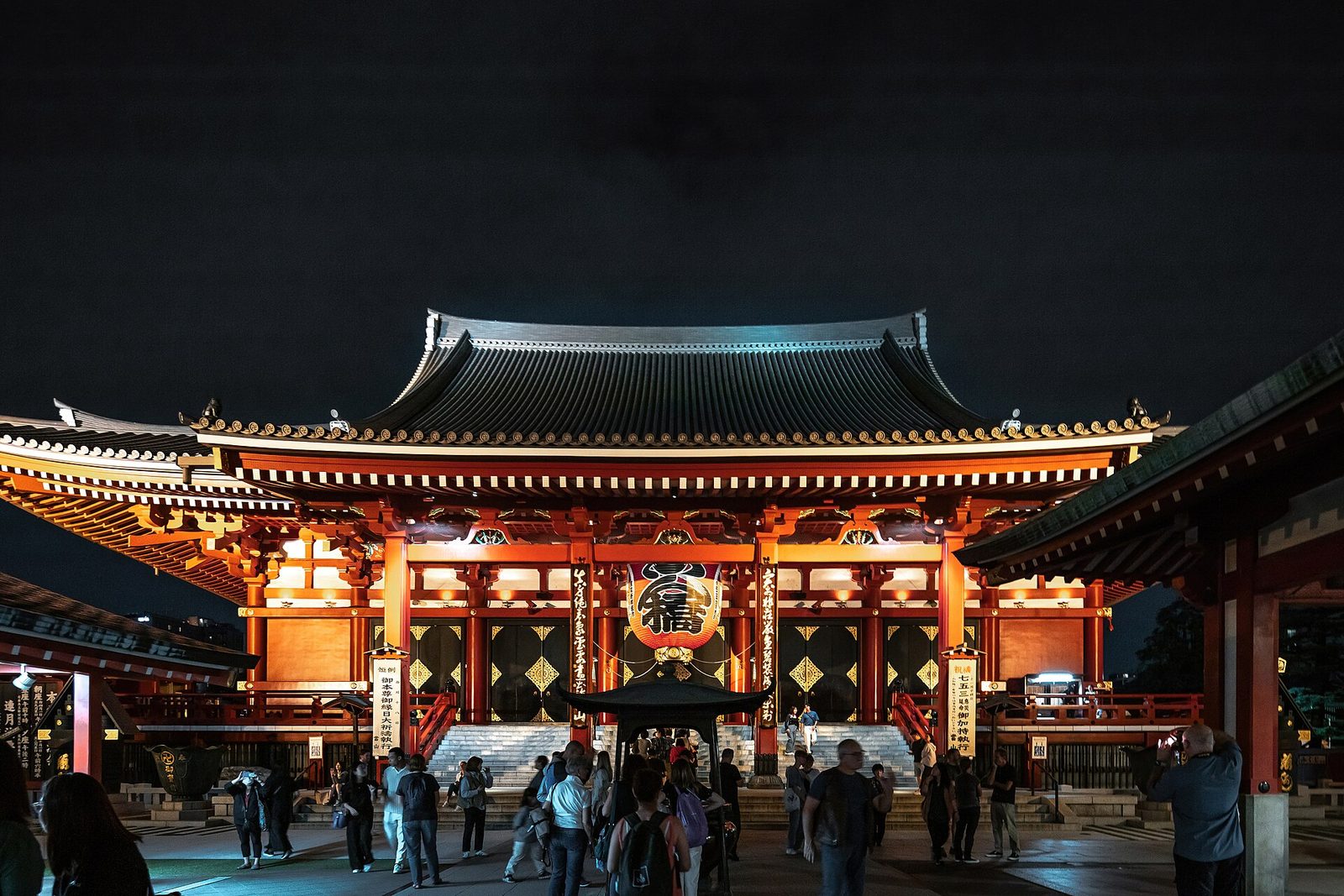
- Senso-ji — founded, by tradition, in 628, making it the oldest temple in Tokyo. From October to March the main hall is open 6:30–17:00, so pray before five
⑤ Asakusa after dark
Around five, as the main hall closes, cross to the Asakusa Culture Tourist Information Center opposite Kaminarimon. Take the lift to the 8th floor for a free observation terrace.
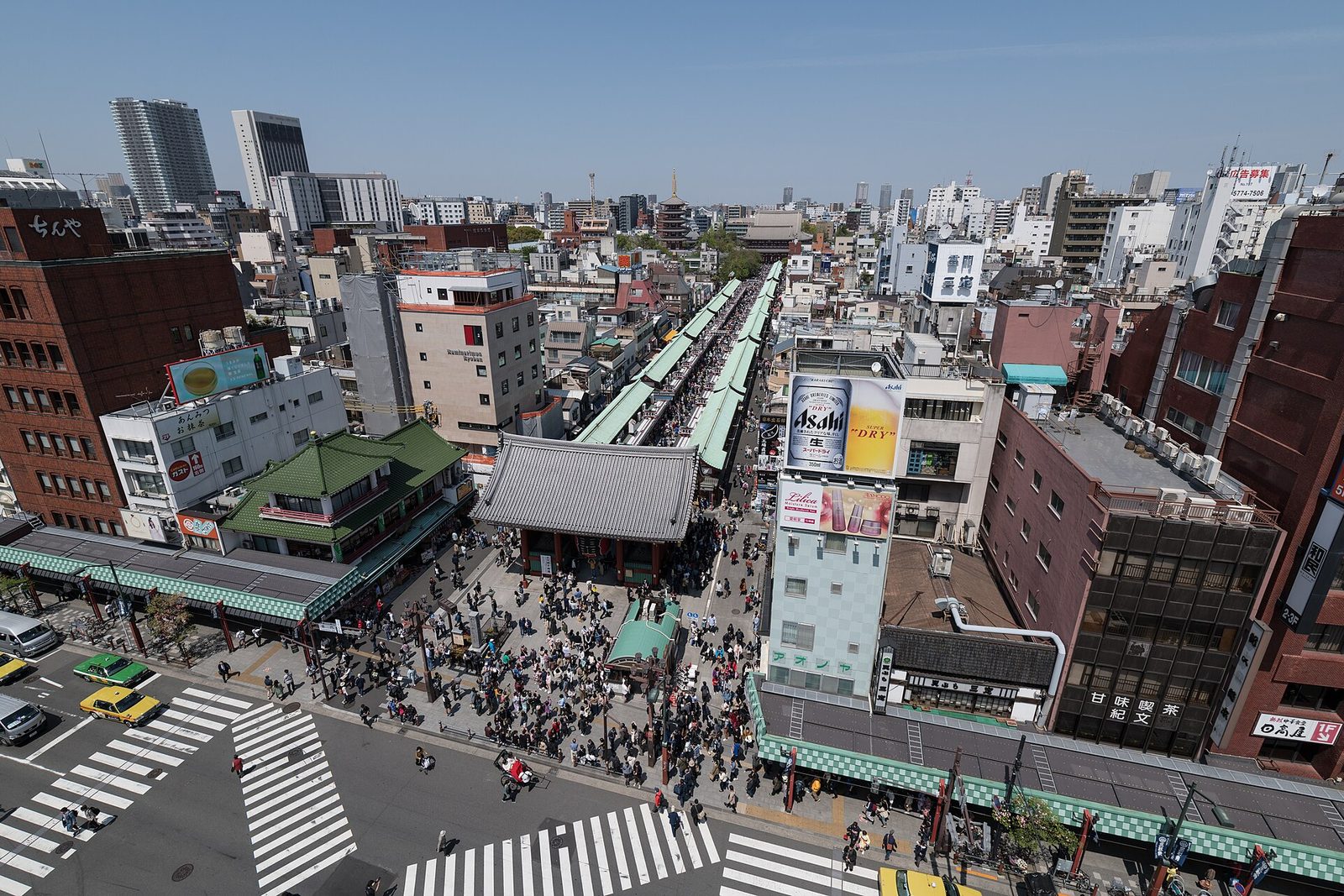
From the terrace you look straight down Nakamise to Hozomon and the main hall, all in one line, with Tokyo Skytree on the other side. In early October the sun sets around 17:15, and Asakusa’s lights come on as the sky darkens. The building is by Kuma Kengo, and the terrace stays open until 22:00.
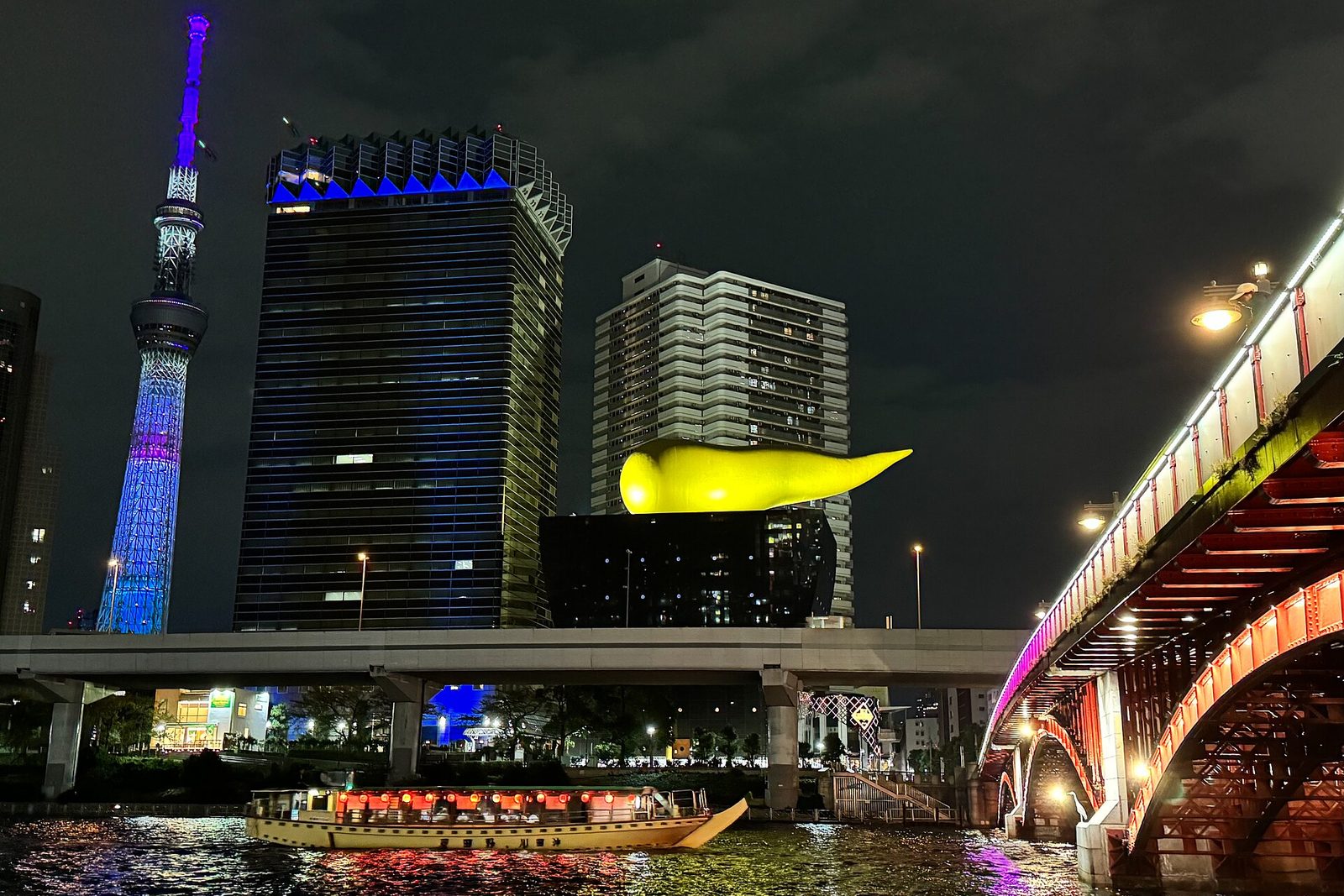
Once it is dark, walk east along Kaminarimon-dori to Azumabashi. From the red bridge you see Tokyo Skytree glowing across the Sumida River beside the building with the golden sculpture, and the lanterns of houseboats on the water: Asakusa at its best by night.
Have dinner in Asakusa: old-established tempura or sukiyaki, monjayaki, or the izakaya of Hoppy-dori. To get home, take the Ginza Line to Ueno and change to the JR Yamanote Line for Ikebukuro, about 30 minutes in all.
Adjusting on the day
Rearrange for the day of the week, the weather and your legs. The day of the week matters most: the East Gardens close on Mondays and Fridays and the Tokyo National Museum on Mondays, so the route works best Tuesday to Thursday or at the weekend.
| If… | Then… |
|---|---|
| You want to go inside the palace | Join the Imperial Household Agency’s guided palace tour: about an hour (about 2.2 km) past the front of the Imperial Palace, over the Seimon Tekkyo (Nijubashi) and by the Fujimi-yagura turret. No tours on Sundays, Mondays or national holidays (except Saturdays). Online booking opens on the 1st of the previous month; on the day, numbered tickets are handed out at Kikyomon (from 9:00 for the morning tour and 12:30 for the afternoon, first 300 per tour) |
| You go on a Monday or Friday | The East Gardens are closed. Add a walk in Kitanomaru Park or along Chidorigafuchi to the plaza and Nijubashi (the museum is also closed on Mondays) |
| You prefer Western painting | Swap the Tokyo National Museum for the National Museum of Western Art (permanent collection ¥500, open to 20:00 on Fridays and Saturdays, closed Mondays) |
| You have children | Give the Ueno time to Ueno Zoo (closed Mondays) |
| You want more night views | Cross the Sumida from Azumabashi to Tokyo Skytree: about 20 minutes on foot, or one stop on the Tobu Skytree Line |
| You are tired or running late | Turn back at the Ninomaru Garden in the East Gardens (saves about 30 minutes), and see Toshogu from outside only |
| It rains | Keep the East Gardens short and give the time to the museum, open to 20:00 on Fridays and Saturdays |
Before you go
- Comfortable shoes — gravel paths and slopes in the East Gardens, Ueno Park, Asakusa: about 12 km on foot over the day
- Check closing days — the East Gardens (Mondays, Fridays), the Tokyo National Museum (Mondays) and the palace tour (Sundays, Mondays). Events can close them at short notice, so check the official sites the day before
- At the palace — bags are checked on entry to the East Gardens. Leave large luggage in a station locker and travel light
- Eating on the move — on Nakamise the custom is to eat what you buy at the shop before walking on. Take your rubbish with you
- Check the times — the times here are one example from the October 2026 Saturday timetable. Weekday and holiday services differ, so check a route planner the day before
§ — On one page
- The 8:30 Marunouchi Line from Ikebukuro to Tokyo Station. Home on the 19:05 from Asakusa, Ginza Line then Yamanote Line, Ikebukuro at 19:34.
- Morning at the Imperial Palace: the Marunouchi building and Gyoko-dori, Nijubashi, then Edo Castle’s remains in the East Gardens from Otemon. Free; closed Mondays and Fridays.
- Midday, the Chiyoda Line to Yushima: Shinobazu Pond, lunch in Ameyoko, the Saigo statue and Ueno Toshogu, then the Tokyo National Museum.
- Late afternoon, the Ginza Line to Asakusa: Kaminarimon, Nakamise and Senso-ji (main hall until 17:00), dusk from the rooftop terrace, then the Sumida and Skytree by night from Azumabashi.
- Budget about ¥7,000–9,000 per person. An IC card is all the ticket you need. Go Tuesday to Thursday or at the weekend.
References
- Imperial Household Agency — East Gardens of the Imperial Palace (Japanese)
- Imperial Household Agency — Imperial Palace guided tours (Japanese)
- Museum of the Imperial Collections, Sannomaru Shozokan
- Ameyoko shopping street association (Japanese)
- Ueno Toshogu (Japanese)
- Tokyo National Museum — visitor information (Japanese)
- National Museum of Western Art — visitor information (Japanese)
- Senso-ji (Japanese)
- Taito City — Asakusa Culture Tourist Information Center (Japanese)
- Tokyo Metro — one-day passes (Japanese)
- Geospatial Information Authority of Japan — GSI tiles (map imagery)
Photos are from Wikimedia Commons under licences that permit reuse; the author and licence are credited under each one. Map imagery is from the Geospatial Information Authority of Japan, with roads and rail from OpenStreetMap data. Times were checked with the NAVITIME route planner against the October 2026 Saturday timetable; prices and hours are as of October 2026 and may change.
Travel Notes No. 4 — Tokyo in a Day from Ikebukuro / 2026.10